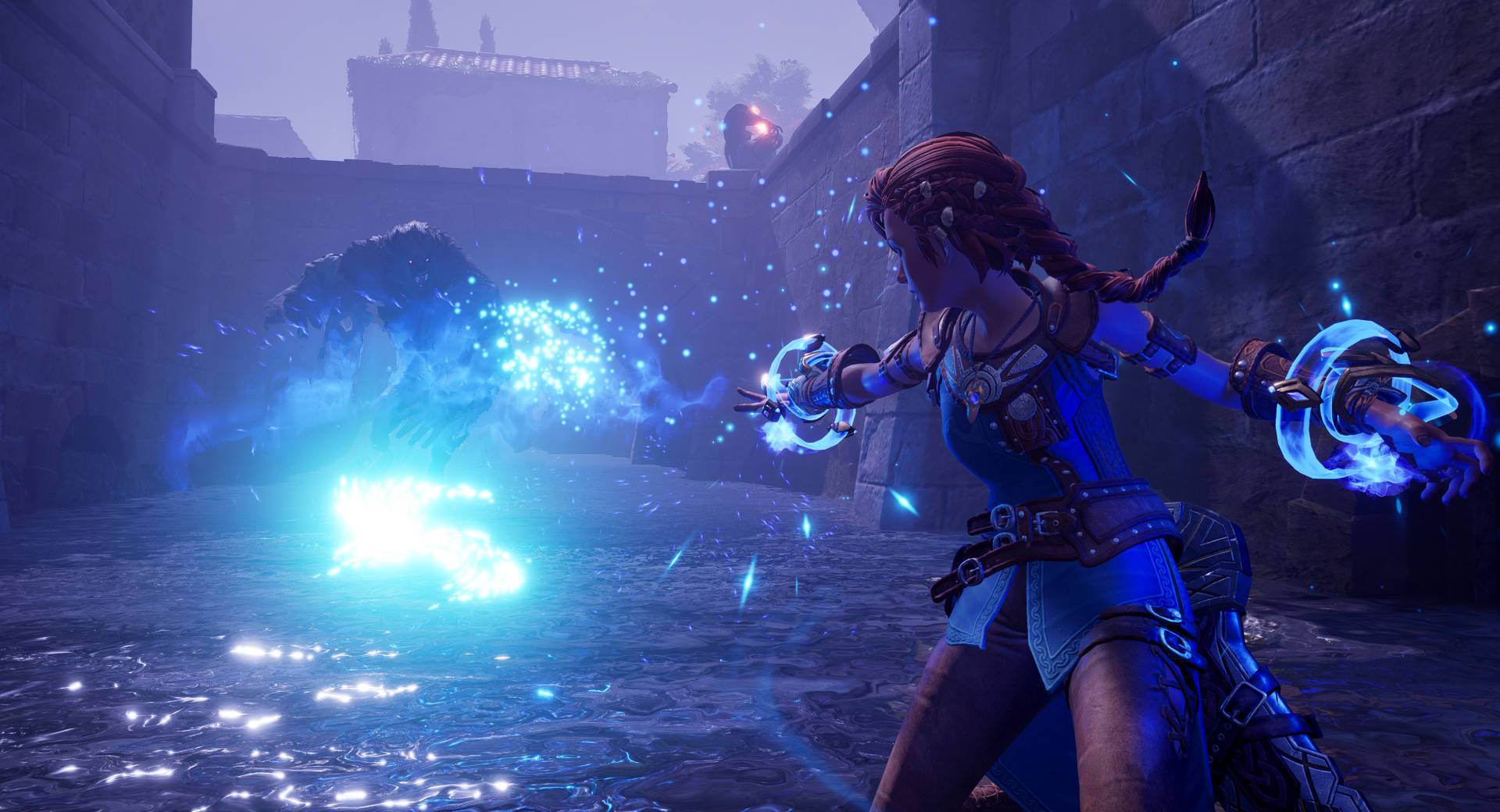
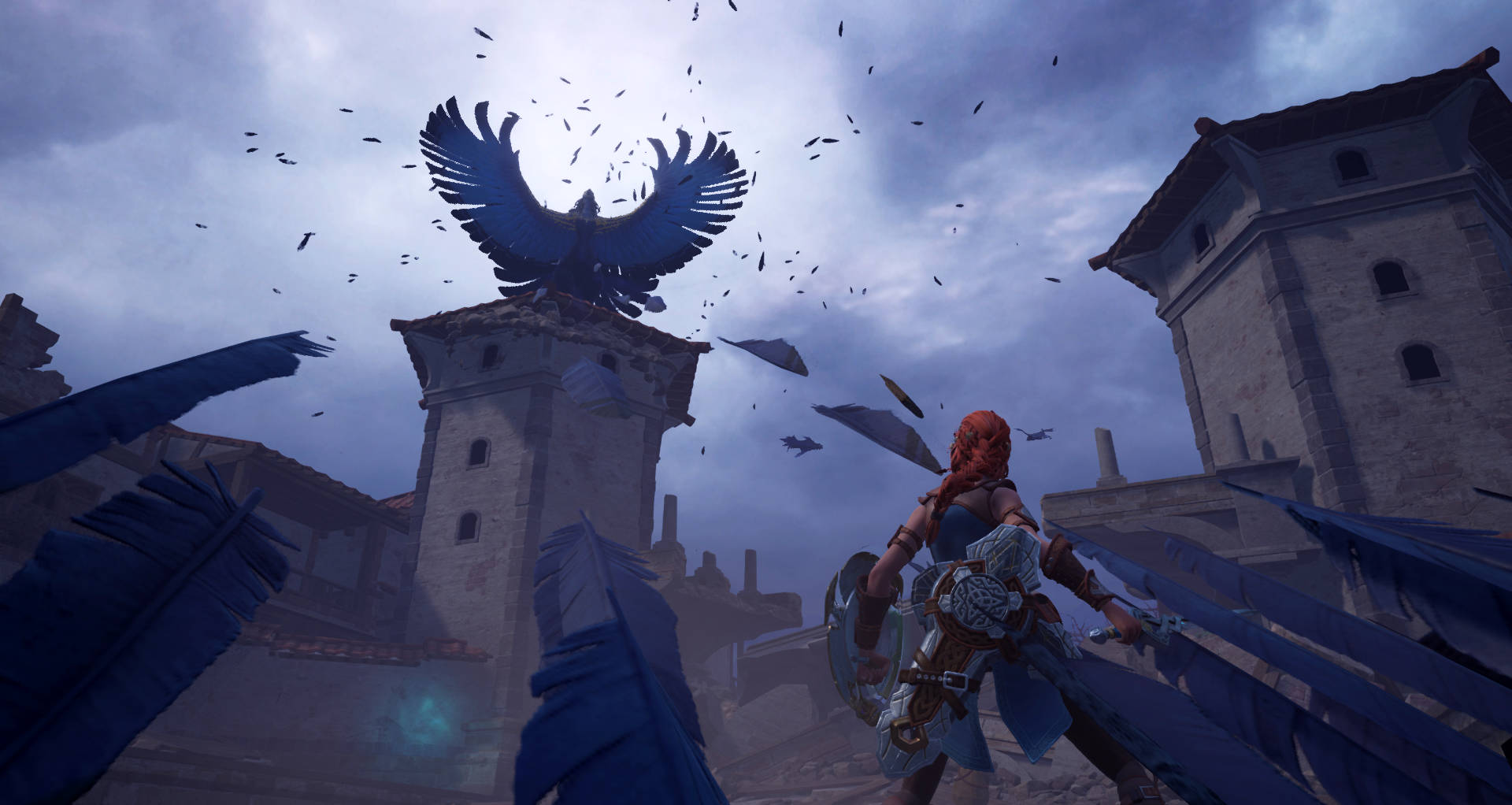
A Plague Tale: Requiem Review

Warning: It is impossible to talk about A Plague Tale: Requiem without delving into major spoilers for its predecessor, A Plague Tale: Innocence, as well as minor spoilers for the game itself. While I’ll be careful about spoilers when talking about Requiem, if you’ve yet to play Innocence but have interest in doing so, don’t read any further.

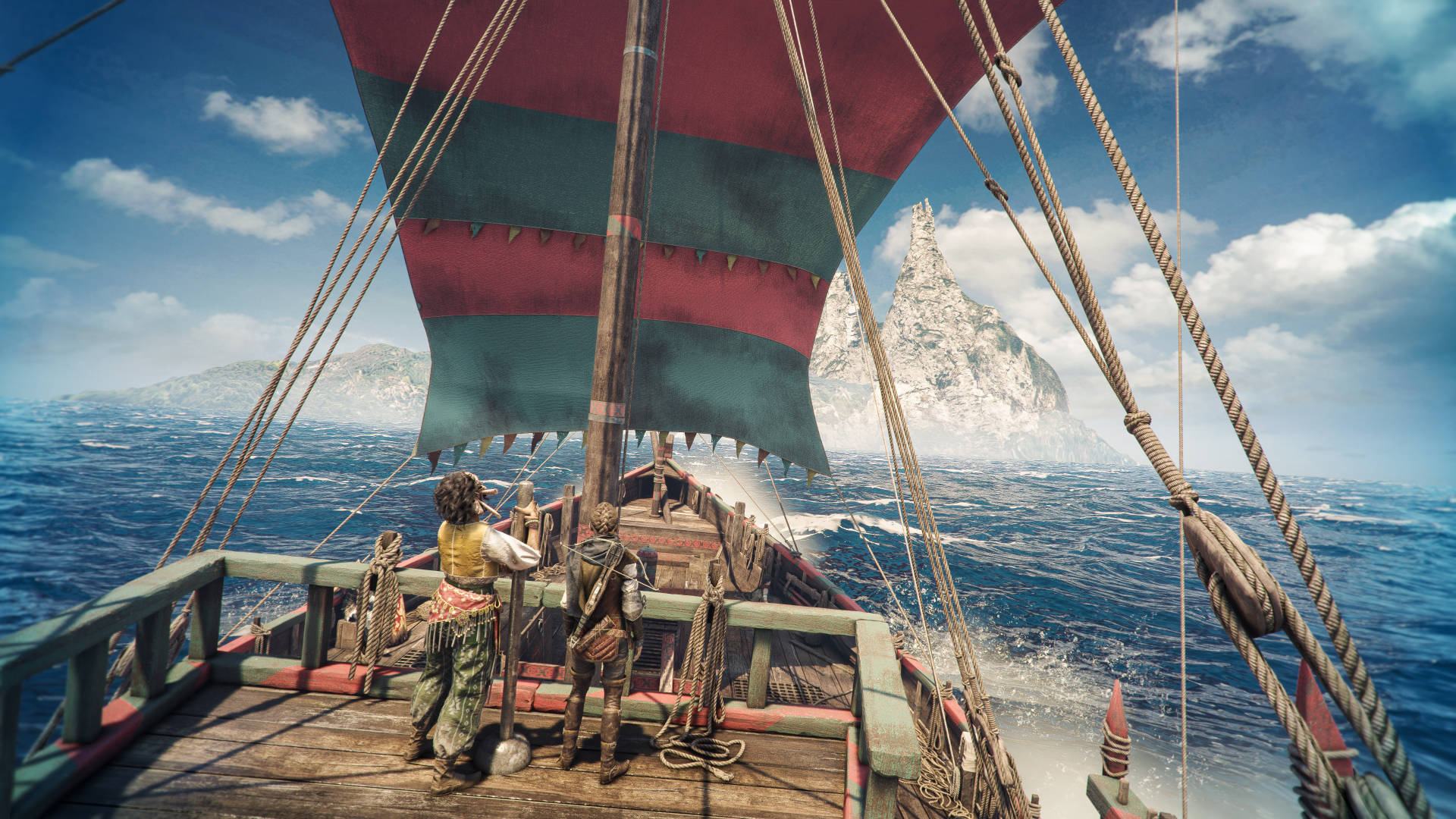
One of the games I’ve been most looking forward to this year is the second chapter of the story of two family members traveling across harsh European lands on a journey that will push both to their limits. Their goals are twofold: first, to stop the coming apocalypse, and second, to find out the truth about the boy, who while being the younger of the duo, grows stronger in power and determination by the day. To succeed, many will need to fall by the pair’s hands, and challenges of mystical origin both beautiful and horrific must be overcome.
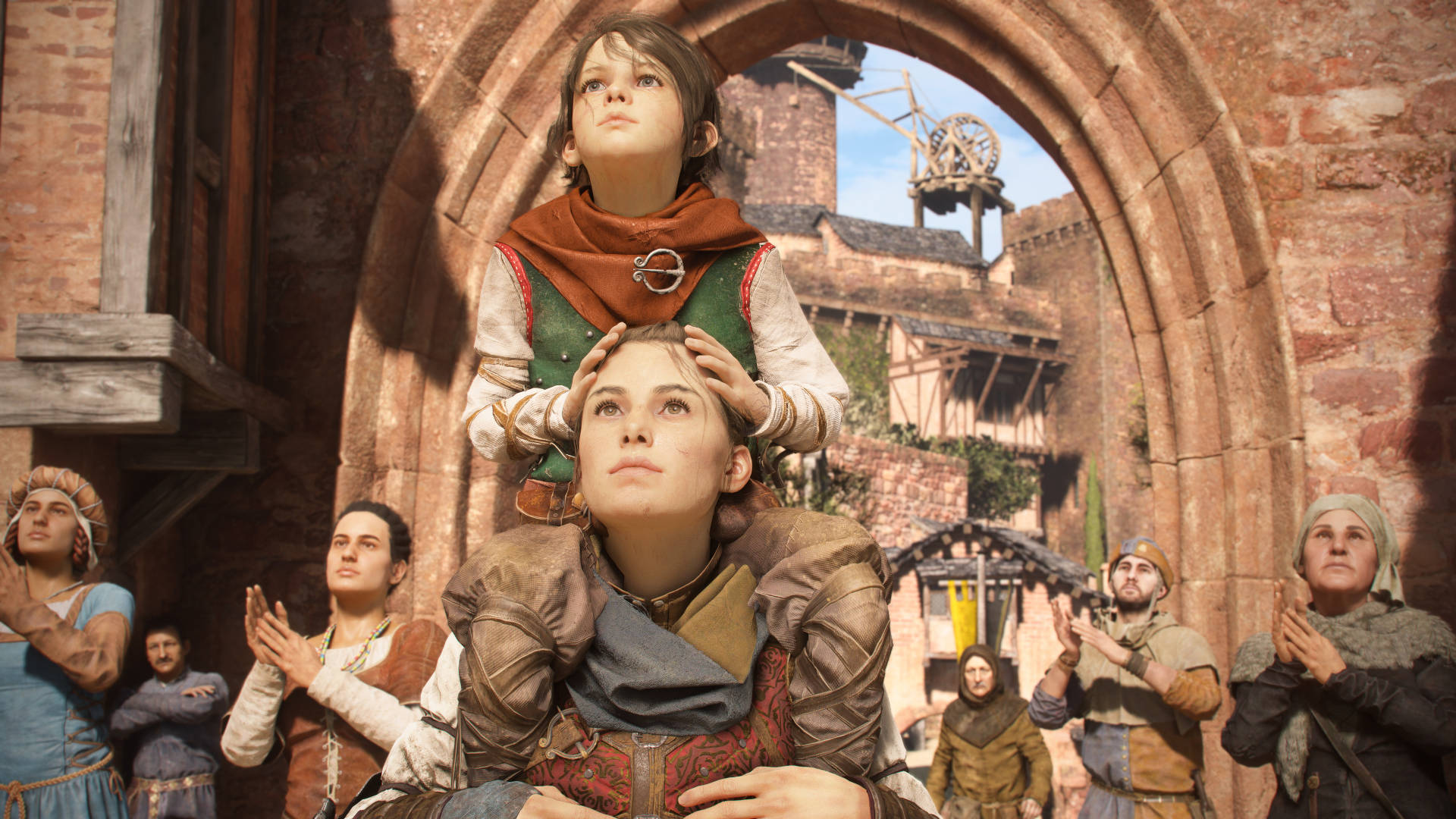
Okay, by this point, I’m sure you get the joke: A Plague Tale: Requiem and God of War Ragnarök have at least a few similarities. What’s surprising, though, is that both games are comparable (to an extent) not just in themes, but also in anticipation and potential. It’s not unexpected to see another stellar single-player experience come from a Sony studio, but A Plague Tale: Innocence was a real shock when it hit in 2018. Its creator, Asobo Studio, was previously known for licensed Pixar titles and the solidly average ReCore, so to have such a compelling and touching adventure come from the French studio caught many of us by surprise.

Of course, the downside to having such a sleeper hit on your hands is what to do as a follow-up. How do you craft a sequel that can justify its existence while also ramping up the drama and narrative while also now having to meet expectations where there previously were none?

You make A Plague Tale: Requiem, that’s how.

At the end of Innocence, siblings Amicia and Hugo de Rune, their mother Béatrice, and apprentice alchemist Lucas had set off to try to find peace. Thanks to both the French Inquisition and the Black Plague, Amicia and Hugo had fought long and hard to get to that point—the older sister having hands now stained in the blood of those she killed to protect Hugo, and the younger brother fighting to keep at bay the Macula, a curse that connects him to the diseased rats. As Requiem kicks off, it’s been six months since the end of the previous game. While life initially seems normal, the effects of what happened to the siblings still linger just under the surface, much like the rat hordes that Hugo now holds some control over. Béatrice and Lucas, in an attempt to help find a cure for the child, turn to the Order, a secret group that has long studied the Macula. Unfortunately, the Order’s solution to Hugo’s growing illness (and threat) sits well with neither he nor Amicia, and their determination to instead chase a solution born from Hugo’s dreams sets off a chain of events that threatens mankind.
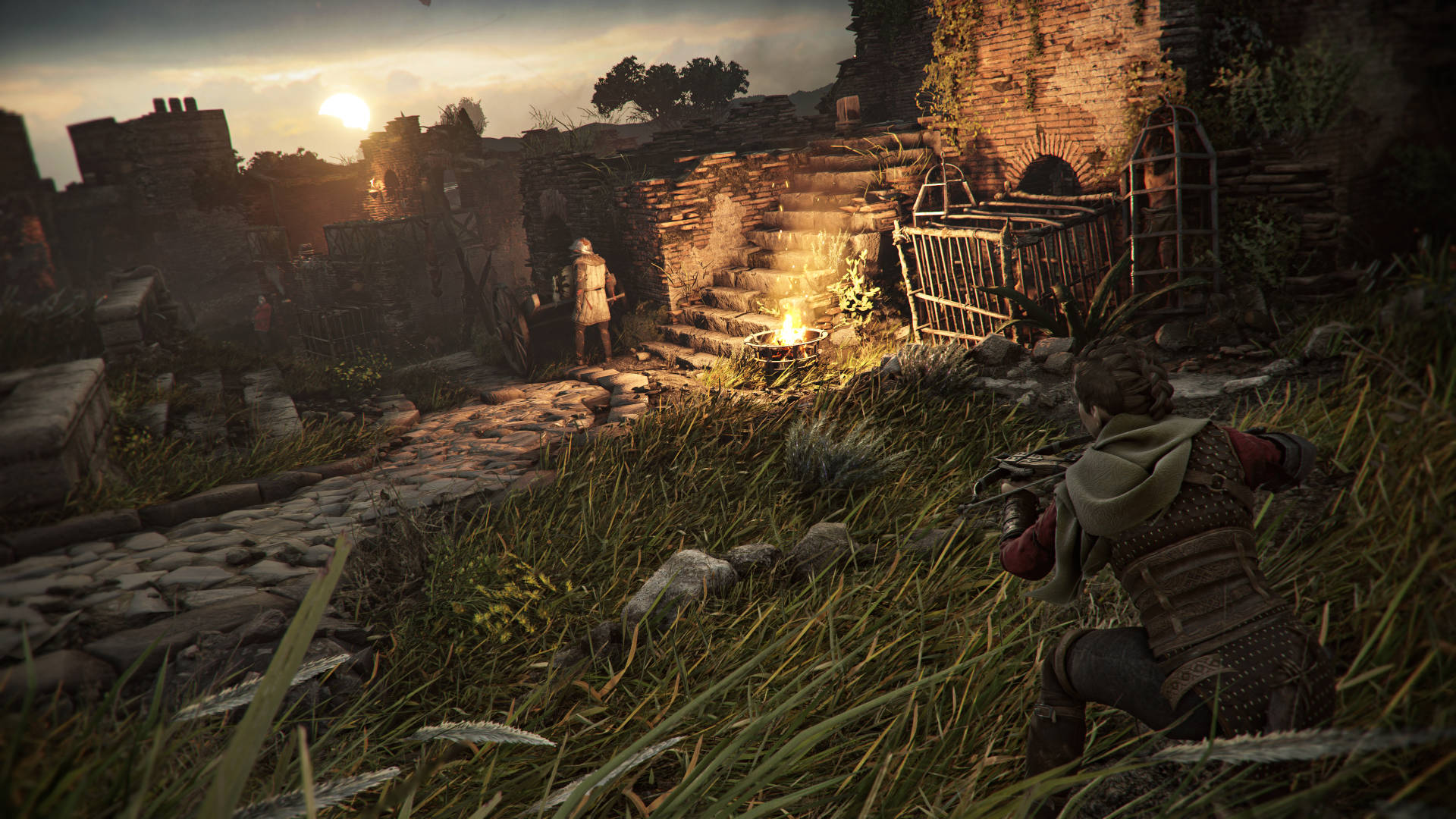
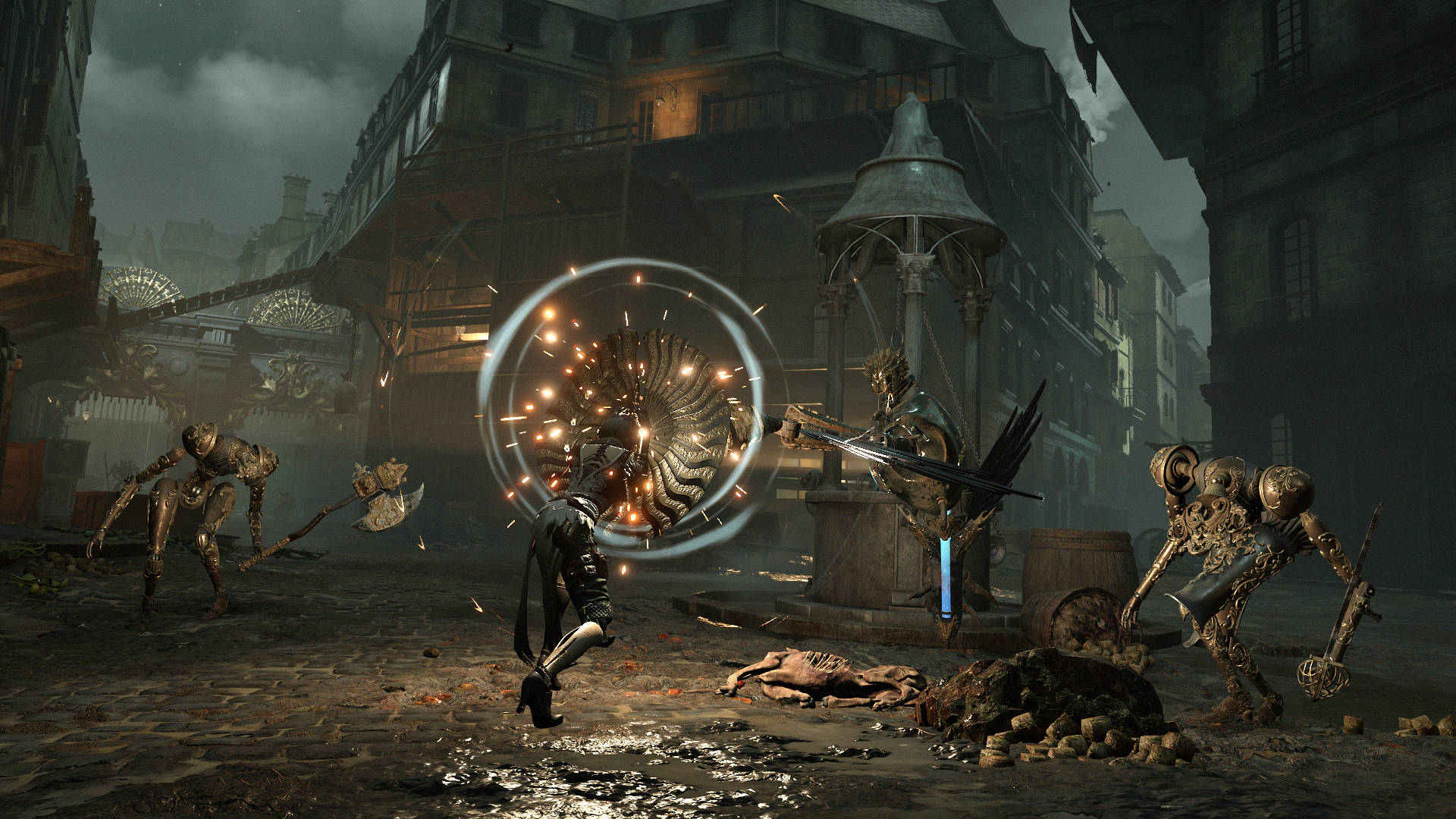
Much like the original game, A Plague Tale: Requiem switches between different play styles depending on the current events at that part of the story. Sometimes, you guide Amicia around the world in simple exploration, taking in the captivating sights and sounds of an increased variety of locations across 14th century France. At other times, you might be solving puzzles to open up a path, carefully making your way through an endless sea of rats by keeping them away with fire or other light sources, or trying to sneak around human enemies—and engaging them in combat when stealth is no longer an option. While the original game constantly swapped between those scenarios, Requiemdoes a better job of mixing things up in order to keep the game always feeling fresh. There are certainly times here when the gameplay can get overwhelming or even a little frustrating, but it almost always isn’t long before you’ll be off in a different location doing something new.

In my review of Innocence, I came away shocked that a game heavily based on two ideas that I typically hate—stealth and escort missions—could capture my heart. Here, sneaking around was something I not only expected, but even looked forward to. On the other side, Amicia tends not to spend as much time with Hugo as she did before, so when they are together, it feels more special. Instead, she’s often accompanied by a variety of other, more adept NPC characters, who add their own small twists to gameplay.

Speaking of, Amicia is more—and also a little less—capable this time around. Interestingly, a few abilities she had before, such as putting enemies to sleep or knocking off their helmets, are now gone. In their place, our heroine can now throw jars with alchemical properties, use tar to light larger areas on fire, and even whip out a crossbow to dispatch foes or attach ropes to objects. As opposed to Innocence, where more of her abilities seemed tailored for taking out human opponents, Amicia’s roster of options here feels better suited to dealing with man and beast alike. Outside of a few moments where I seemed locked into a particular method of proceeding, I almost always felt like I had more say over how to handle a situation, be it sneakily taking out guards or traversing a rat-infested field—even more so whenever Hugo comes into the picture. With his deepening (and troublesome) connection to the hordes, he can learn from his furry frenemies where nearby enemies are, or sic the creatures on any poor soul who has strayed from the safety of a light source.

Of course, how comfortable you feel about asking a child to send plague rats off to eat a fellow human is something you’ll have to decide for yourself. It also leads us to, by far, the heart and soul of A Plague Tale: Requiem.
To get there, though, we have to talk for a moment about another title: 2013’s Tomb Raider. After some initial mixed feelings, I came to really like both the game and its reimagining of protagonist Lara Croft. However, there’s a moment during the story that still doesn’t sit right with me to this day. After Lara gets her first kill with a gun, we see her react negatively to what she’s just done, and it hints at a video game character having to deal with the ramifications of what we, as the player, continually ask them to do. And yet, minutes later, we’re able to gun down a whole squad of people, and Lara never gives it another thought.

All these years later, A Plague Tale: Requiem is finally the payoff to that scene that I’ve been waiting for. It is the answer to the question, “what if there were actually consequences for all of the people this character is killing?” It doesn’t take long for us to see that both Amicia and Hugo are not okay, even early on. They survived the events of the first game physically, but clearly not mentally and emotionally. Requiem invites us to watch as both characters continually spiral out of control while also constantly making their situations worse due to their actions, and it makes us be a willing participant in their distress. I’m honestly not sure I can remember the last game I personally played that did such a brilliant job of showing us the repercussions of someone’s actions, and while what transpired across my 18 hours of playtime was uncomfortable, and distressing, and heartbreaking, it was also utterly engrossing.

And, to clarify, I know that this isn’t the only video game to tackle such topics—but I was both caught by surprise that it was approached here, and impressed with how well it was handled. It could have been easy for Requiem to turn into something that was exploitative, or cheesy, or overly preachy, and yet it never does.


Stung by the Stinger

I wasn’t sure that I wanted to put this directly into my review for A Plague Tale: Requiem, as I don’t think it in any way negates everything the game did up until the final credits rolled.

However, after they roll, Asobo Studio gives us a post-credits stinger—which can’t have been longer than 10 seconds, if it was even that—that genuinely made me angry.

I know I’m being annoying by calling something out so strongly that I refuse to explain further, but I cannot express how absolutely awful I found that quick video clip. Deep in my heart, I had the feeling that something like that scene might happen, but I refused to believe that the team would actually go there. Yet, they did.

Look, I know why they did. And honestly, I’m rather they go that route than certain other options. But I still completely hate it and what it means—especially when it serves to cap off something that felt so special otherwise.


The events of A Plague Tale: Requiem even left me feeling uneasy with my own mental and emotional reactions to what took place. About a third of the way through the game, there’s a scene when Amicia starts gleefully slaughtering a group of soldiers, and when she gets in trouble, Hugo steps in to finish the job. As all of this is happening, their mother and Lucas are pleading with them to stop—but they don’t listen. They kill, and they savor the killing. And when it’s over, it’s clear that something inside both of them is now broken more than it was before. What made that scene so much more emotional, though, was my part in it. As they went on their bloody rampage, I not only cheered them on, but helped them do so through my controller. And then, when the fighting was over, I felt guilt for helping them go through that. It’s like taking joy in watching your child finally beat up that bully that’s terrorized them for so long, only to then have to deal with the fact that your child might now be more traumatized than they were before. They did what they had to do, but in doing so, gave up a piece of their innocence in exchange. Those actions can never be undone, and what was lost can never be regained.

In that, A Plague Tale: Requiem is a hard game to play. Having now finished it, I don’t know that I have it inside of me to go through it again. And, it’s a game that I cannot recommend to anyone who has yet to play A Plague Tale: Innocence. If you don’t have that connection with what these characters have been through before, then it’ll be hard for you to appreciate who they are and what they go through here. Without that prior knowledge, Amicia will come off like an obnoxious, overbearing psychopath, and Hugo an annoying demon child who someone should maybe think about throwing into a pit of fire before he dooms us all. As well, Requiem is not its predecessor, which was a more down-to-earth, sorta based on real life events story that was smaller in score and ambition. This is a bigger, louder, and more fantastical adventure that will undoubtedly feel too brash and bombastic if you’ve not played the first game, and may still be just a little too much even if you have.
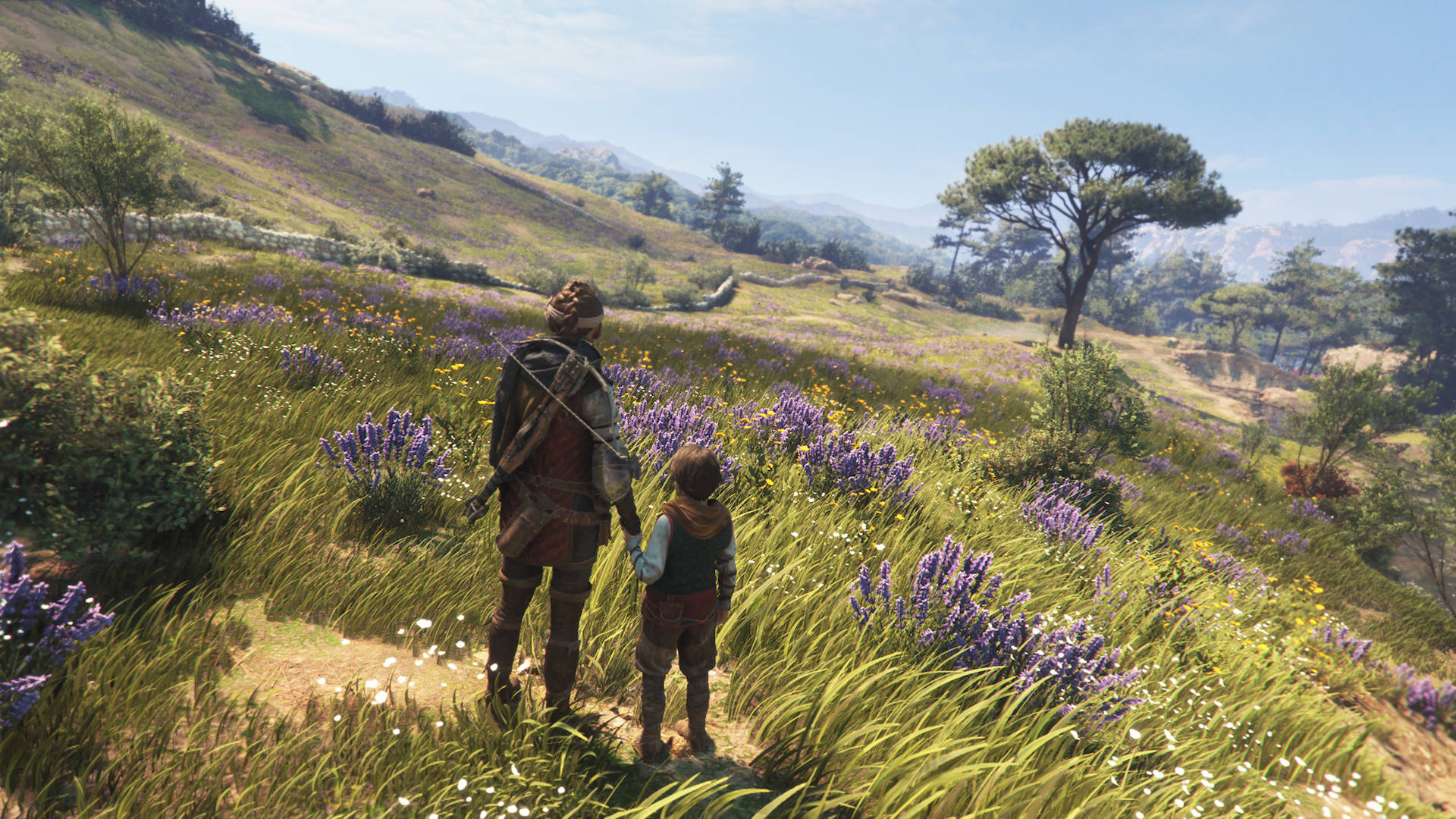
Even in all of that, and everything else it is and isn’t, I cannot help but come away seeing A Plague Tale: Requiem as an exceptional gaming experience. It started with me caught off guard by how happy I was to see Amicia, Hugo, and Lucas again, and ended with me in tears having witnessed what fate had in store for them. Instead of just giving us more of the same, the development team shot for something greater, crafting a tale that could easily have gone off the rails or felt like a cheapening of everything that Innocence gave us yet never does. This is an emotional, gripping, and harrowing story about having to pay the price for one’s actions, and the result was a video game that offered a level of emotional connection unlike anything I’ve played in years.
Asterigos: Curse of the Stars Impressions

Even when your day job centers around keeping up with video games, it’s simply impossible to know about everything that’s out there. From the biggest blockbusters to the smallest indie releases and everything in between, it is unbelievable how many games come out on a weekly (if not daily) basis at this point.

So, sometimes, it takes me running into a new game in some other way to put it on my radar. As was the case with Asterigos: Curse of the Stars, the first project from Acme GameStudio, a team “founded in 2016 by seasoned developers from Blizzard, X-Legend, XPEC, and Runewaker.” I’m a big fan of FromSoftware-focused YouTuber Iron Pineapple, and it was through him that I learned about the game due to it being part of the latest chapter of his “Souls-like games you’ve never heard of” video series.

The thing is, even though the game’s publisher tinyBuild itself uses the term, I’m not sure I’d call Asterigos a Soulslike. Sure, it features some similar gameplay mechanics, such as a stamina-based action system, bonfire-esque resurrection-and-enemy-refresh checkpoints, and a handful of other elements. Really, though, the game reminds me more of the types of action adventure titles we’d get back in the sixth console generation, or for the first few years of the seventh. Back then, when development costs were lower and teams could be smaller, we saw more experimentation within the genre, as games could be more ambitious (but also less polished) in their combat, exploration, and storytelling without instantly risking studio bankruptcy.

It might seem like an insult to say that I could see myself playing Asterigos on something like the Dreamcast or PlayStation 2, but I don’t mean it as one. Saying that a game is “mid-tier” almost feels degrading to some these days, but I appreciate that we still see projects that can exist in that middle ground between the massive worlds of indie and triple-A projects. Everywhere you go in this game, you can feel its limits, from its overall graphical quality and world design, to its combat and core gameplay elements, to its storytelling and character development. I cannot deny that all of those areas of Asterigos could definitely be better, but there’s also a certain charm to its awkwardness, as well as a few areas in which the game punches well above its weight.

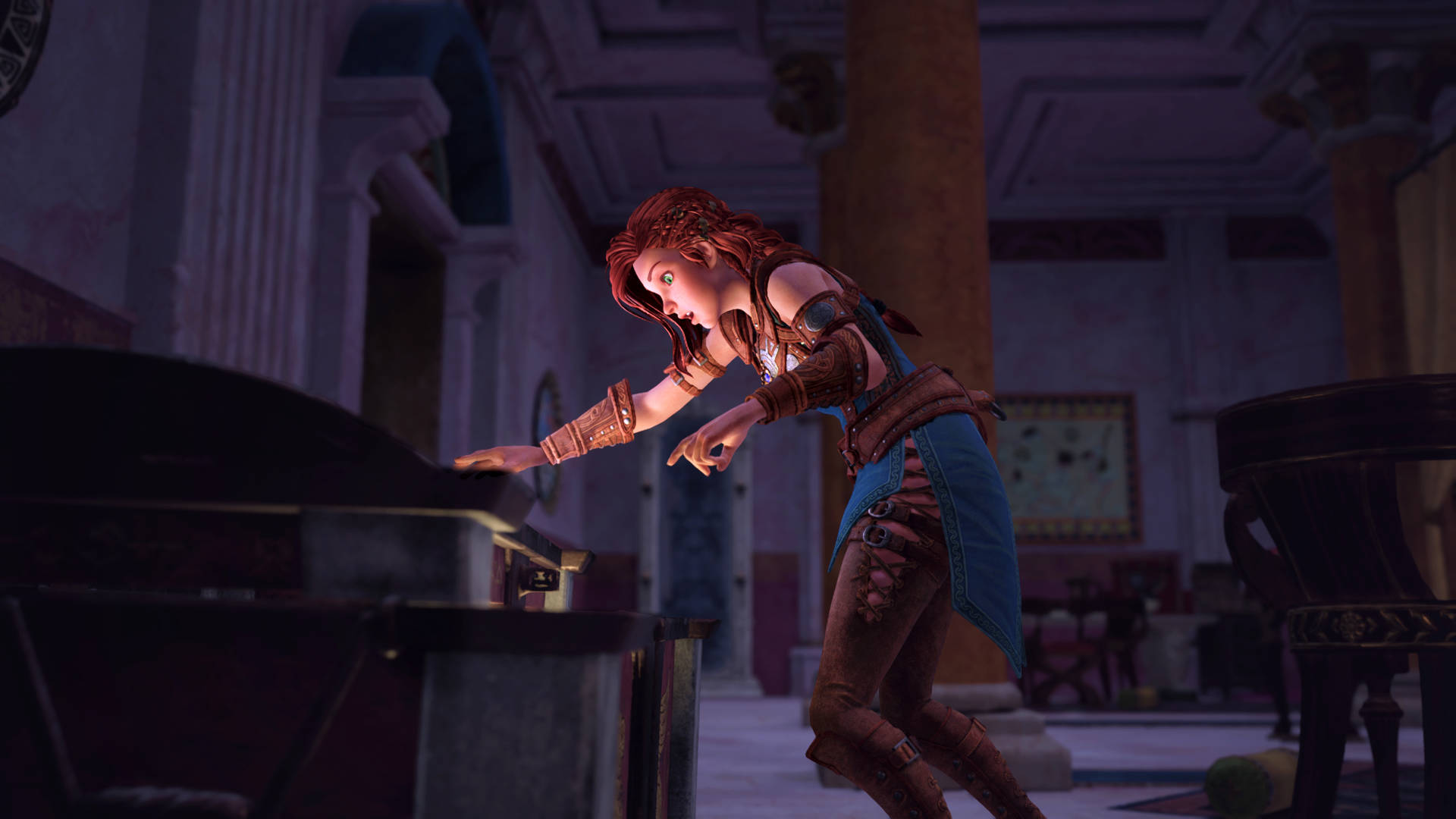
One of those, in a surprise to me, came incredibly early in the game. As Asterigos kicks off, main character (and fellow redhead, which I’m always glad to see more of) Hilda watches her father, along with a group of other soldiers from her homeland, head off on a mission from which they don’t return. Hilda is then sent to the ruins of the ancient city of Aphes to find out what’s happened, setting in motion an adventure far bigger than our heroine could have predicted.

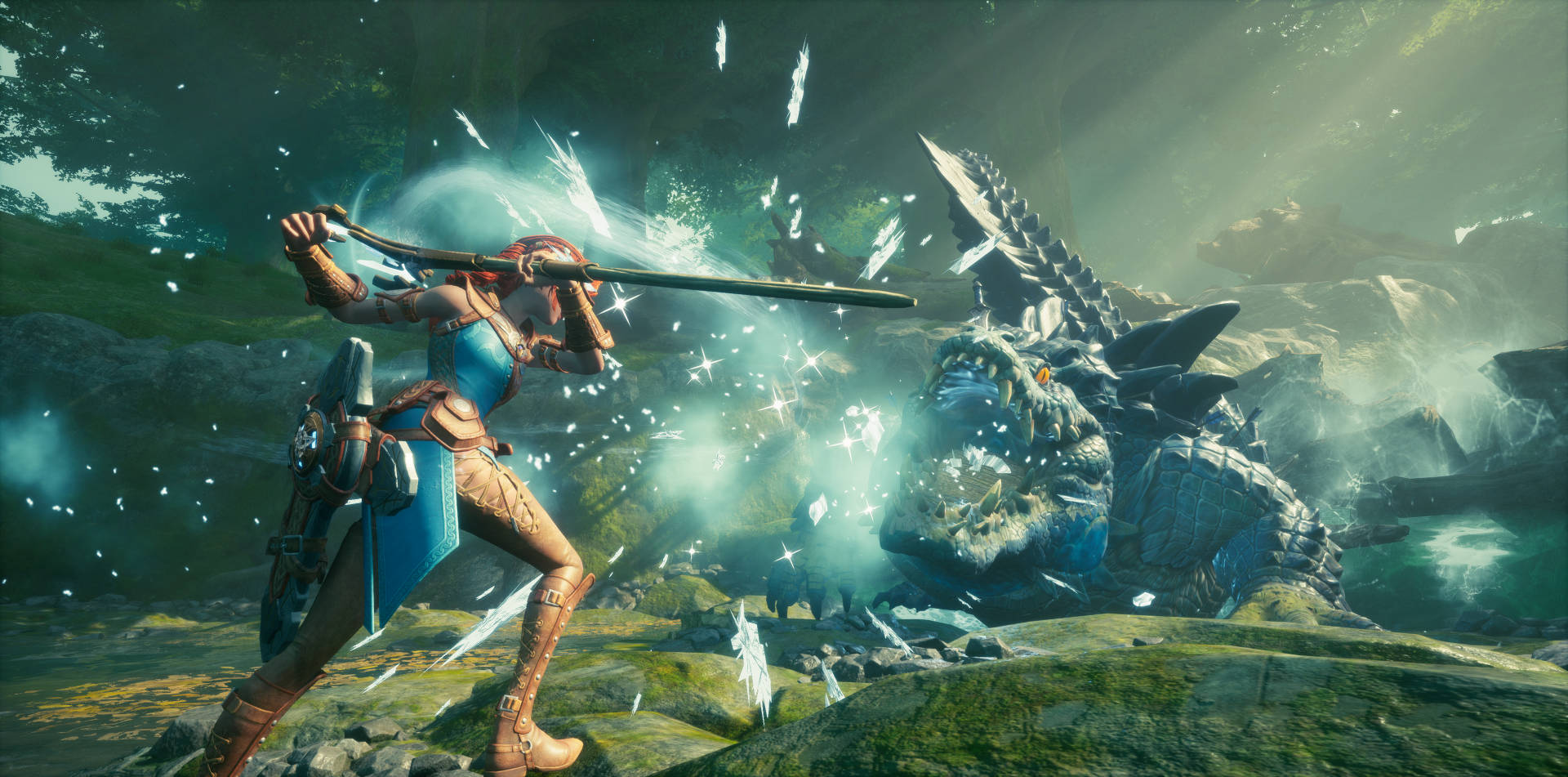
Right away, Hilda discovers that a monster has stolen most of her weapons, which then creates a perfect scenario for the player to retrieve those weapons over the course of the game, thus unlocking new fighting styles, exploration abilities, and so on. Except, she then gets everything back within the initial tutorial area. What would come off as a strange twist in other games is a welcome one here, as one of Asterigos’s biggest strengths is its weapon variety. Players can equip Hilda with two different weapons at any one time, picking from the Sword and Shield, Daggers, Hammer, Spear, Staff, and Bracelets. The thing is, each of those choices plays quite differently, more so than how many other games might handle such weapon types. Experimenting with those weapon options and their unique abilities is part of the fun, and because you can switch your equipment at any time almost right from the start, nothing ever feels like the “default” option, or goes under-utilized because you gained it far too late into the game to integrate into your arsenal.

By far the most interesting of Hilda’s weapons for me are the Bracelets. Having played plenty of games with bracer-type offensive items, I assumed they’d make our hero punch really hard, or really fast, or something similar. Instead, they send out a ball of elemental energy around six feet in front of Hilda, with a second tap of the button then bringing that ball back, and a third swinging it around. It’s all a bit hard to explain, in part because I’m not sure I remember the last time I’ve seen a weapon with such an attack pattern in this style of game.

At first, I thought the Bracelets were too nonsensical to even consider using, and yet the more I played, the more I’d come back to them, my curiosity growing over how effective they could be. At this point, they’re now my main weapon, while I sub-wield the Staff, which can either shoot magical projectiles for longer-range attacks, or turn into a spell-powered sniper rifle if aimed and charged. As someone who typically doesn’t like magic-based weapons in video games, the fact that the Staff is a major component of my current loadout says a lot on how appealing I found the game’s take on magic.

The extent to which you can customize Hilda’s weapons in Asterigos is both a blessing and a curse. In addition to gaining four different swappable elemental properties that enhance each weapon, there’s a deep talent tree where you can unlock new abilities and attacks. There’s a wide variety of upgrades waiting for each weapon type, but at least up to the point that I’ve played so far, I feel like the talent points needed to unlock those upgrades have been too few. I can certainly understand not wanting to give the player too much too quickly, but given that Asterigos encourages those players to experiment with the different weapon types right from the start, some of that freedom goes away once you’re having to decide where to focus those upgrades. I’ve barely advanced any of the weapons beyond the Bracelets and Staff, because getting deeper into their trees is gaining me bigger benefits, which leaves the other choices weaker and less capable.

I wonder if gaining talent points per weapon by using said weapon would have been a better option. It’d still allow you to focus on and upgrade the ones you use the most if that’s what you want to do, but would also force you to improve the others with the points you earn from them (especially if you gain those points faster the weaker the weapon). No matter what, I feel like those talent points should come a little quicker in general. Even with being hours into the game, both my skills and perks pages are long lists of abilities that remain locked away—which leaves me feeling like this’ll either be an 80-hour experience, or that I need to be grinding a lot more.

Asterigos: Curse of the Stars has launched at a point in time where I have too many other things going on to give it the attention it’d need for a full review. And yet, after spending some time with it, I really wanted to at least give it some attention. This is the type of release that a lot of you could easily miss, and it’s got enough quirks and rough edges that I think some who try it might give up before getting too far. The more I’ve played Asterigos, though, the more I’ve wanted to keep playing. It doesn’t get everything right, but it does craft a game that feels genuinely unique for everything else I’ve played this year. I might have first discovered Asterigos due to expectations of it being a Soulslike, but what I found was something a little more.

Asterigos: Curse of the Stars is out now for Xbox Series X/S, PlayStation 5, Xbox One, PlayStation 4, and PC.

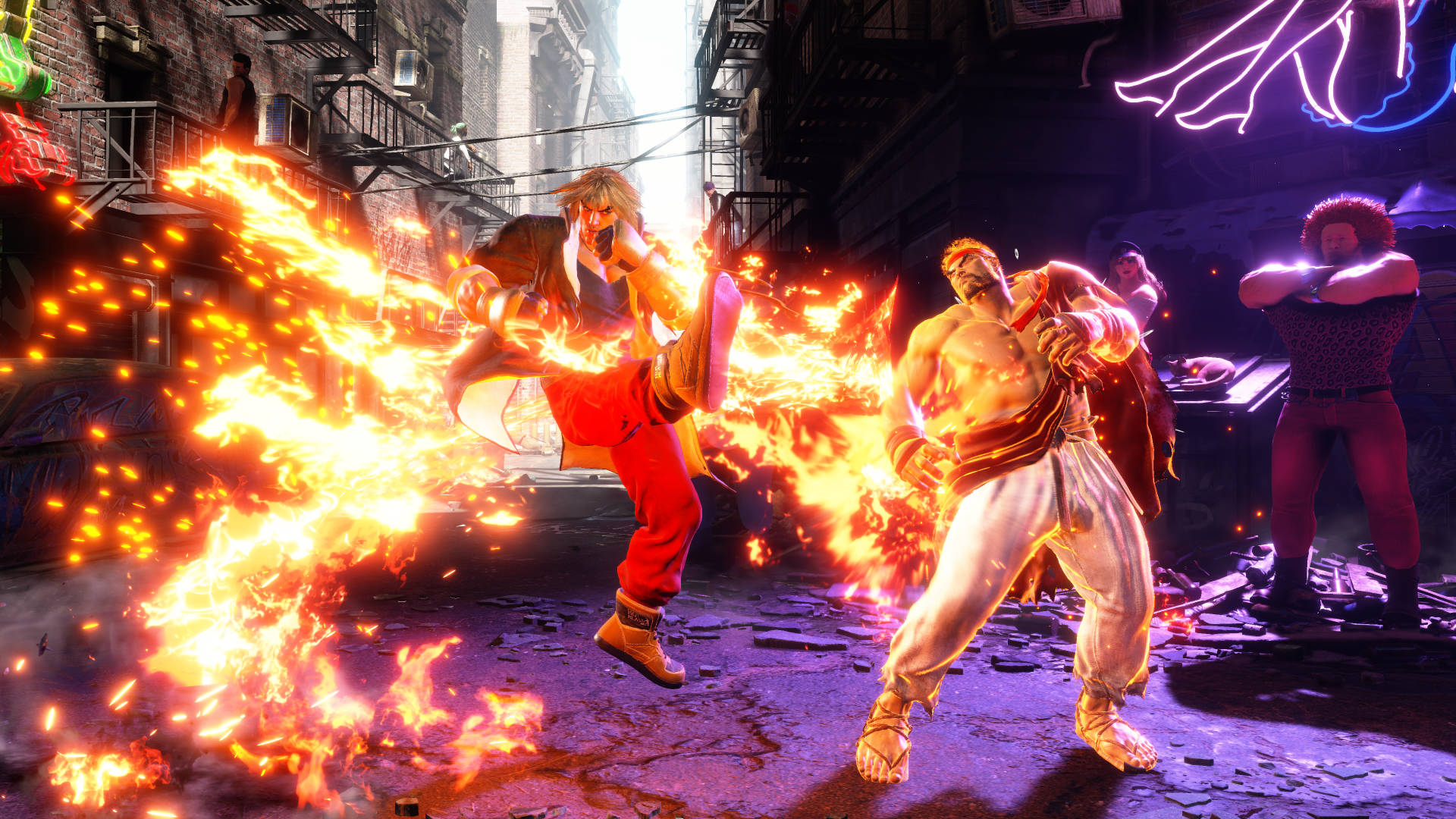
The One Thing I Didn’t like about Street Fighter 6’s Closed Beta Is That It Was Almost Too Good

Lest any of you who don’t get the reference think I’ve taken a job as conductor on the Capcom hype train, the title of this article is a callback to a now legendary quote from the earlier days of EGM regarding the quality of Gears of War 2.

And yet, while I’m embracing the meme on a playful level, it also comes with some amount of seriousness behind it. Everything that Capcom had shown up until this point for Street Fighter 6 had me excited for the future of the franchise, and I saw my entry into the closed beta as a chance to get in some matches, check out the new characters, and satisfy a bit of my curiosity as we wait for the game’s full release next year.

I now come out of the beta harboring unexpected feelings. My curiosity is far from satisfied. Where I thought I might feel fulfillment, I feel regret. I now recognize that joining that sneak peek into Street Fighter 6 may have been a terrible idea, because it’s left me wanting more. NOW.

I love Street Fighter V. While I appreciate and understand the importance of Street Fighter IV and its revival of the franchise, SFV was just a better, more polished, and more interesting game all around in my eyes. Sure, it had flaws, and faults, and I didn’t always like how it treated its cast or its gameplay, but it felt like an effort to truly find a proper direction for Street Fighter after so many years of aimlessness. And, yes, I know that the game was rough for those who like to focus on single-player content in their fighting games. But as someone who sees little value to the genre when I’m not playing against other human opponents, I never took issue with the game’s solo content (or lack thereof), even at launch.

After a mere weekend with access to only a fraction of Street Fighter 6’s modes, however, I’m ready to delete Street Fighter V and never look back (even if it does mean I’ll have to say goodbye to Karin for some amount of time). We’ve had reason to expect a new direction for the series after internal shake-ups at Capcom a few years back, but no amount of trailers or gameplay reveals or official Capcom blog posts can prepare you for just how different everything feels here. There’s an energy and an excitement to SF6 that SFV never had, neither in its earliest days nor during its well-received final season of character additions.

If you’ve been following the game at all, I’m sure you’ve heard somewhere about the “new blood” working on Street Fighter 6. And while that’s true, just throwing some younger or fresher talent onto a project doesn’t automatically mean good results. What’s important is not that the game we’re getting here is being worked on by a rejuvenated team, it’s that we’re getting a game from a team that is putting an unbelievable amount of effort into introducing or expanding upon ideas never before seen in Street Fighter, if any fighting games period.

Digging into the complexities of Street Fighter 6’s fighting engine on a technical level is something I’m neither interested in nor properly capable of doing here, so instead I want to hit upon some of the other points that I and others came across in the beta. One of the additions that blew my mind the most is something that seems so obvious in hindsight: the ability for players to face off against each other on different stages. For example, maybe you prefer always fighting on the tried-and-true training stage, and I want to face off on any stage except that one. Now, in SF6, we can be playing against each other in the exact same match, but each of us sees a different stage, depending on what we’ve set as our preferences. Again, it’s a concept that’s so simple, and so obvious, yet one that now feels like a huge new feature for the game.

Another is that, should you encounter a match that’s too laggy to bear, you can suggest forfeiting the match to your opponent. If they agree, then you both drop out without either of you receiving a penalty. Why haven’t we had something like that before? It’s a fantastic idea. I will say, though, that in my entire time with the Street Fighter 6 closed beta, I never once ran into a match that wasn’t perfectly playable. We’ve heard a lot about the rollback netcode that Capcom’s putting into the game, and so far, I’m a believer. Things were so good that I never even thought about how each upcoming match would perform, and I’ve heard equally positive experiences from others online.

Even though the closed beta strictly focused on the Battle Hub, Street Fighter 6’s shared public space, little touches like those and countless others were waiting to be found all over. I know this is far from the first game to feature such an area, but what Capcom has created with the Battle Hub feels like a great expansion for the ways we as players find others to fight against, without that experience ever becoming cumbersome. Sure, you can run your character up to a cabinet that someone else is sitting at to hop into a match, but you can also just set yourself to automatically search for ranked or casual matches—or even both at the same time—without moving an inch.

The Battle Hub isn’t meant to be the one and only source for matchmaking in SF6, but rather a place where you can share your love for the game with others, or even just feel like you’re playing against actual human beings instead of faceless usernames. Even with some of its functions unavailable for the beta, there was still plenty to do, from finding matches or hanging around a cab to watch two players go at it, to checking out the updates of who’s on a hot win streak, to dressing up your avatar and having some goofy fun with other custom characters, to even wasting some time with classic Capcom arcade titles.

The Battle Hub hints at what might be the strongest element of Street Fighter 6 in my eyes: fun. For the past two games, “fun” has often come from character designs or story segments that too often are just plain goofy. You were never supposed to take Street Fighter too seriously, but it sometimes seemed like even the creators themselves felt embarrassed by what they were presenting. SF6, at least so far, takes itself much more seriously in the ways that I want it to, while simultaneously not being afraid to lighten up on things that could use some fresh takes. So much of what I experienced during the closed beta came across like it was produced by a team taking pride in what it was making, while also finding ways to have fun with the series and its characters without making fun of them.

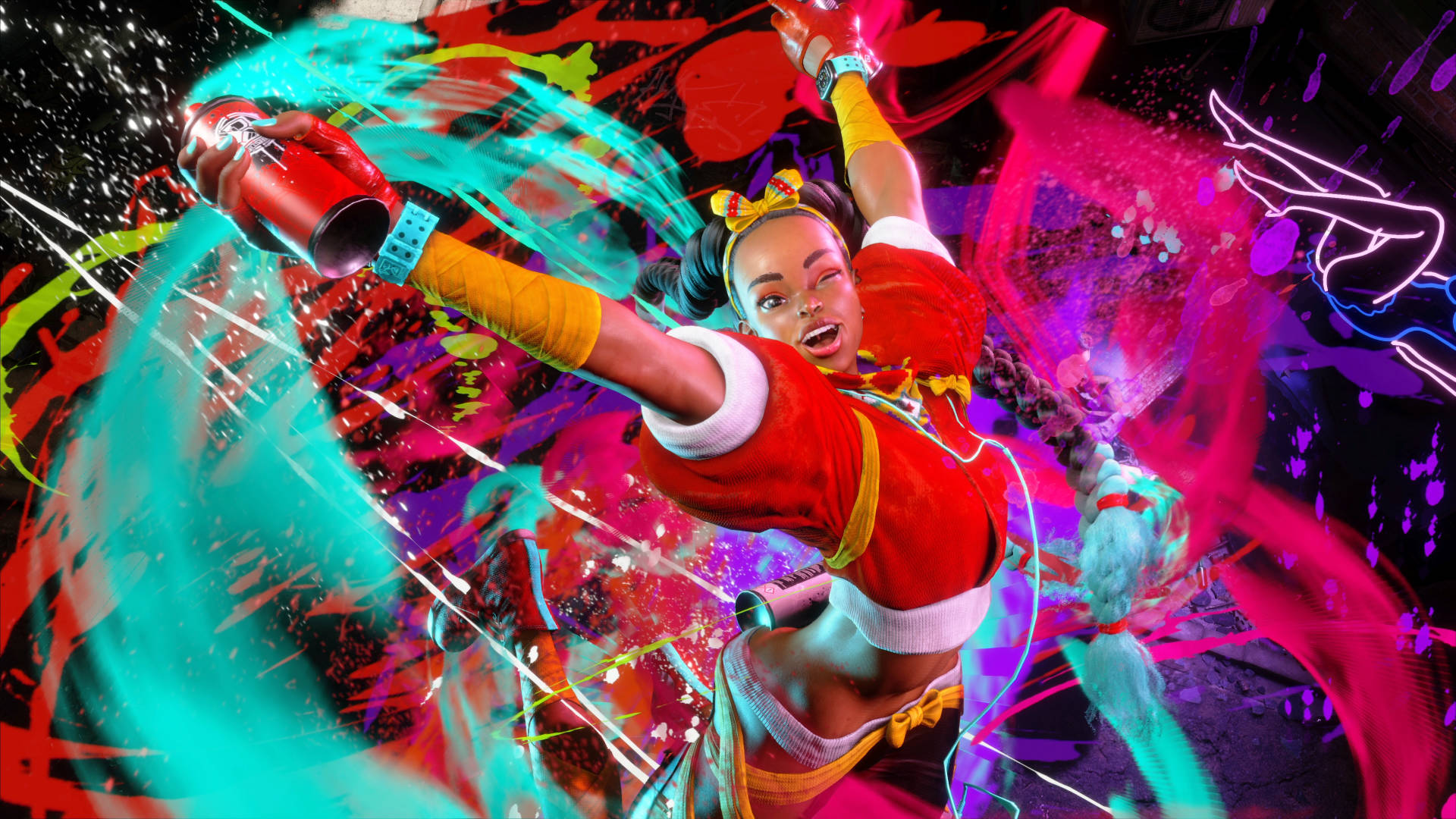
Newcomer Kimberly, who I focused most of my time on during the beta, could have turned out so badly given how we’ve seen some previous characters end up—but man, she just exudes charm, charisma, and coolness. Meanwhile, little touches like being able to change your character’s expression on the Versus screen or fully customize your “here comes a new challenge” splash are small additions that bring genuine personality to the game. (And, no doubt, they’ll also bring plenty of options for microtransactions in the years ahead.) Extreme Battles, where you can set different win parameters and hazards for a match, are totally gimmicky but also totally enjoyable. Sure, they’re options that could grow stale over time, but I think Capcom has come up with some decent ideas in that area that could remain fun over the long term—and, if not, it’ll be easy for the team to go crazy with additional ideas in the future, be them born internally or from fan feedback.

It’s easy to say that Street Fighter 6 is shaping up to be a far more expansive, feature-rich, and complete game than Street Fighter V was. That’s obvious, and an incredibly easy statement to make. Much more than that, though, what truly hit home for me after playing the beta was just how much there is to SF6 beyond options, or multiplayer features, or quality of life improvements. This isn’t just Street Fighter given another new body for a new generation of hardware, but a resurgence of a level of style and soul that the series hasn’t seen in years.
Everything I experienced in the beta leads me to believe that Street Fighter 6 is shaping up to be something special, and I’m now left stupidly excited for where the full game is going to take the series, while also somewhat miserable that it’s still going to be months before we get to experience that first full step into the future of the franchise.

It’s almost enough to make me say that the one thing I didn’t like about Street Fighter 6’s closed beta was… well, you know.

Taiko no Tatsujin: Rhythm Festival Review

I’m not sure that Bandai Namco’s Taiko no Tatsujin series has ever been an exciting part of the rhythm game genre. It doesn’t have the gaming-meets-exercise energy of Dance Dance Revolution or Pump It Up, it’s missing the “live out your dreams of being a rock star” quality of Guitar Hero or Rock Band, and it’s never really catered to the pulse-pounding score attack nature of DJ Max or Project Diva. As well, the franchise has often been somewhat inaccessible to Western players. You need a specialty controller to properly play the games—many of which haven’t even come out in the States—properly, and the entire experience is heavily based around Japanese music, both in terms of instrument and song list.

And yet, while the Taiko no Tatsujin series may not be exciting, it is comforting. As part of a genre that has seen huge evolutionary shifts in an attempt to stay relevant, the Taiko games play pretty much the same now as they did back when I was buying import copies on the PlayStation 2—and I’m okay with that. I don’t need these games to constantly be a part of my life, changing in concept and complexity as the years pass. I just want them to be there for me at those times when I want to grab some sticks and beat against a plastic drum for a while.

Like, for example, when my interest in the series flared up again recently after Bandai Namco announced that it would be bringing Hori’s official drum controllers for the Switch to America in conjunction with the English-language release of the latest game, Taiko no Tatsujin: Rhythm Festival. (Which, by the way, is out now digitally, but not due to hit physically until October 7th.)

Those controllers are important because, while Rhythm Festival or any of the Taiko no Tatsujin games are fully playable with a standard controller, or kinda playable by using the motion controls of the Joy-Cons for the Switch releases, you really should play them the proper way if possible. With two Taiko games out now on Nintendo’s current system—and an addition to Rhythm Festival that could greatly extend its lifespan that we’ll get to in a moment— Hori’s drums have become a worthwhile investment if you’re serious about the experience.

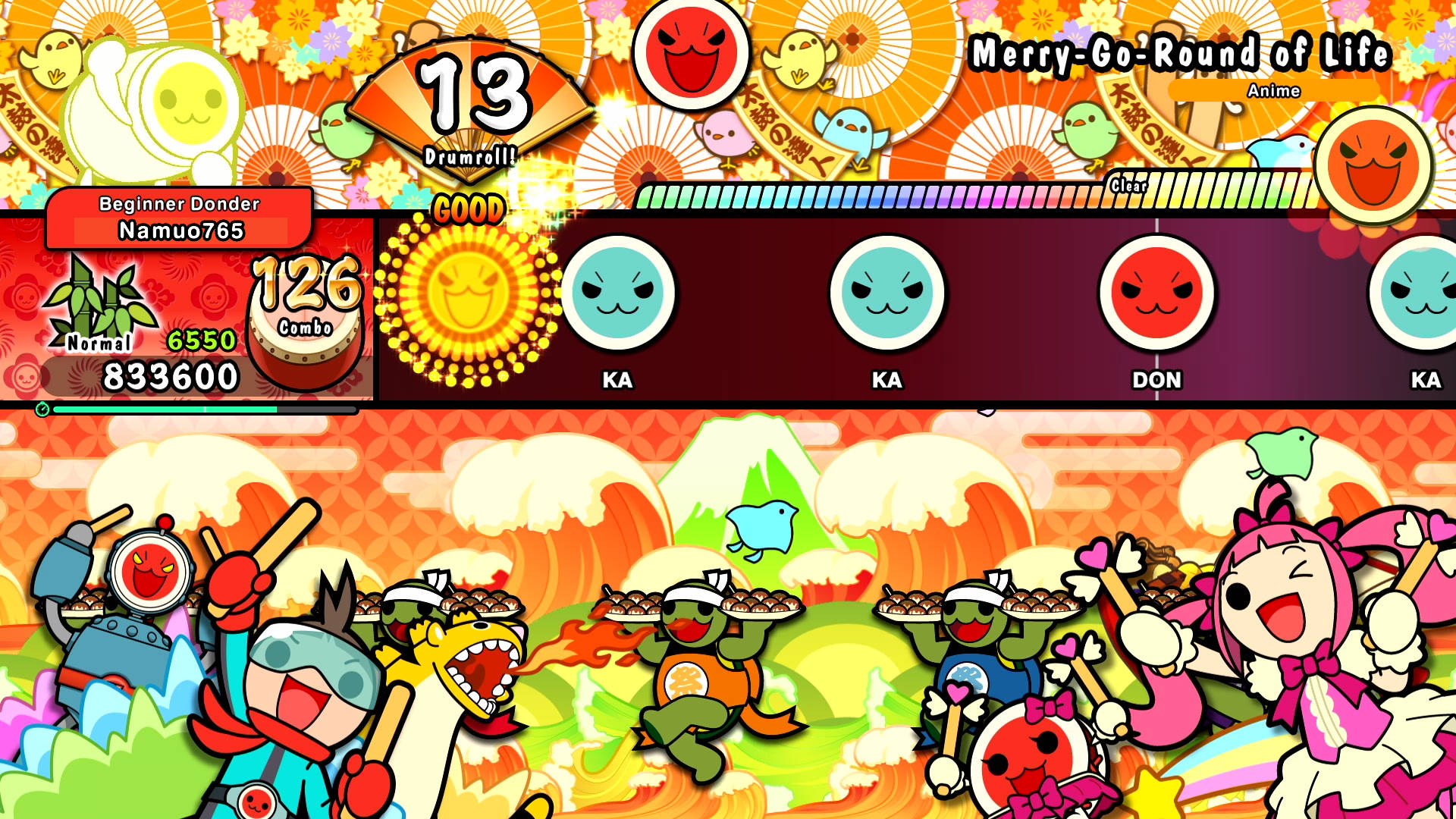
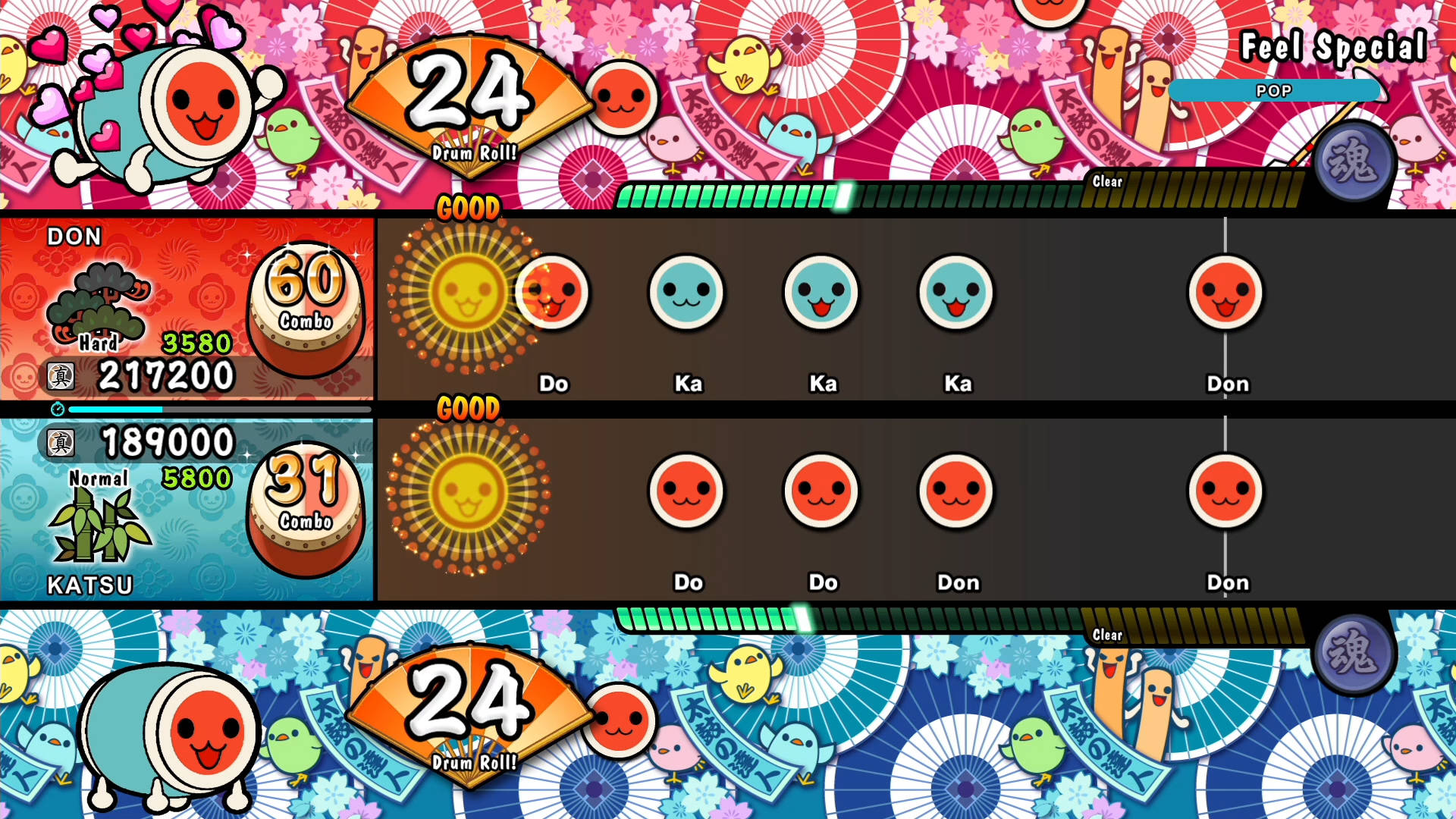
For those who might be new to the franchise, the basic idea is that those drum controllers register two kinds of hits: red don notes that you trigger by hitting the face of the drum, or blue ka notes that require a tap along the rim. As you play, both kinds of notes come onto the screen from the right side, and when they meet up with a specific marker on the left, you hit the appropriate area of the drum (or push the proper button) to trigger that note. While each type of hit registers separately on either the left or right side of the drum, they’ll still trigger the same color of note marker. The idea is that, instead of always hitting the same side, you can give your gameplay some more realistic taiko-drummin’ flair by alternating sides with each hit, while also putting less strain on one particular arm. There are then a few other types of special notes, which either require hitting both sides at the same time, or performing drumrolls to knock out a large number of notes in quick succession.

As I mentioned earlier, that core gameplay has changed little over the years, so the real question with any release is what songs it includes and what additional modes it features. Taiko no Tatsujin: Rhythm Festival initially sports around 80 tracks, which I’d consider to be a decent amount in this era. The list covers Japanese pop hits, anime theme songs, releases from the wide world of Vocaloid fandom, “Variety” tracks (which can include anything from the Pirates of the Caribbean theme to arrangements of music from Touhou Project titles), well-known classical pieces, video game music, and Namco originals.

My complaints about Rhythm Festival’s song selection are more personal grievance than actual criticism. I come to these games first and foremost for the J-pop, so to only have 10 of the included tracks cover that genre is a disappointment for me—especially when two of them, Whiteberry’s “Natsu Matsuri” (a song I love, but still) and Radwimps’ “Zenzenzense” (which I might argue should be under anime, gives its heavy connection to Your Name) were also include on the previous Switch release, Taiko no Tatsujin: Drum ’n’ Fun. Most people aren’t going to be coming to these games strictly for J-pop, though, so keeping the song list more balanced definitely helps to appeal to a wider audience.

Ah, but there’s then a huge twist to the song list in Rhythm Festival that I had no idea about until I started playing it for this review. While previous games have offered additional songs as DLC for set prices, we now get a new option called the Taiko Music Pass that adds an utterly unbelievable 583 new songs to the roster. In my younger days, the dream was always to have one home release of a rhythm game expandable to dramatic extremes versus continually buying new individual releases. Being able to add five-hundred and eighty-three new songs on top of the 80-plus we already get is a realization of that dream beyond my wildest expectations, putting Rhythm Festival in the position of being the ultimate chapter of the Taiko no Tatsujin saga for fans of the series.

Of course, all that music doesn’t come for free. Unlike previous DLC packs that were of the “pay once, play forever” sort—and there are some of those available here, to be clear—the Taiko Music Pass is a subscription service. You can purchase 30 days of access for $3.99 or 90 days for $9.99, either as a one-time charge or set to auto renewal. At first, I found the whole idea kinda gross. I hate that we’re slipping further and further into a hellish future where we subscribe to everything and own nothing. With all of the subscriptions I already have, do I really want to stress over playing a Taiko no Tatsujin game enough in a specific block of time to get my money’s worth?

The more I’ve thought about it, however, the more I think the Taiko Music Pass might actually be a good idea. With the typical cost of DLC for rhythm games, you’d be looking at hundreds of dollars to get a decent chunk of this music, and it’s very likely that a huge amount of these tracks might never have even come to the game without being part of such a service. If I or my daughters suddenly get a hankering to bang a replica taiko drum for a few hours, we can spend the cost of one DLC pack to get access to hundreds of songs for a month to get our fill.

At this point, my problems with the Pass aren’t its existence, but that I’d like to see Bandai Namco up its value. For example, we get 62 additional J-pop songs, but most of them are still covers—and I expect more from a subscription service. There is a shocking lack of Ridge Racer tracks on the game music list, and Namco originals make up 300 slots in the Pass. Look, some of them are decent, but they’re clearly there to bump up the numbers.

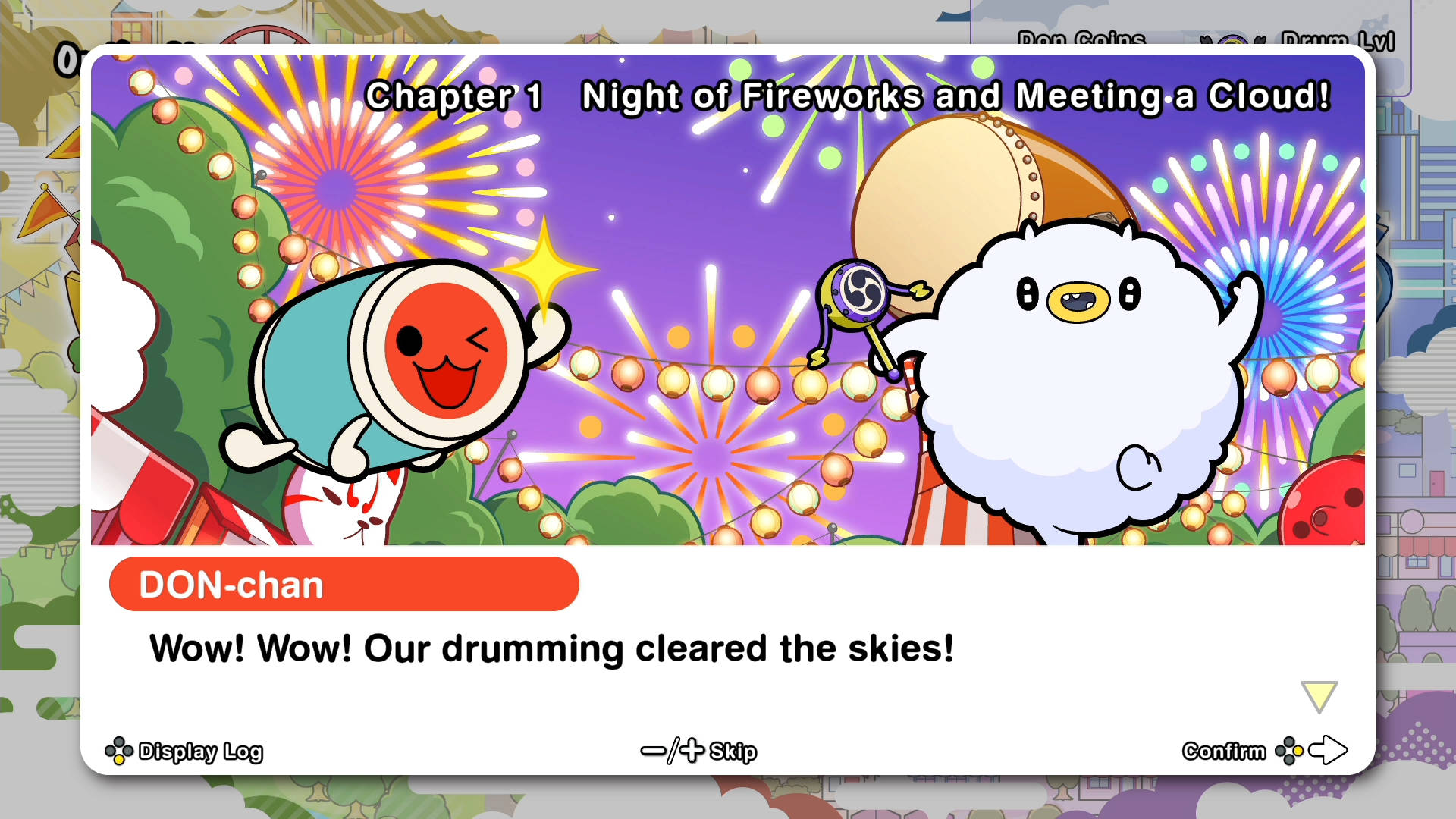
While music is the most important part of a music-focused game, it isn’t the only part, and Taiko no Tatsujin: Rhythm Festival brings with it some nice additions. As you play, you’ll earn not only Don Coins to unlock new customization items, but also Drum Levels to progress through a rewards map with unlockable goodies, Don Coins, and story segments. It’s not a full-fledged campaign or anything, but it’s still a nice bonus. Another welcome addition is Improvement Support, a special mode that allows you to focus on sections of songs that you’re having problems with, and practice only those parts. If this is your first Taiko no Tatsujin, then this will be a helpful tool for getting better at the game.

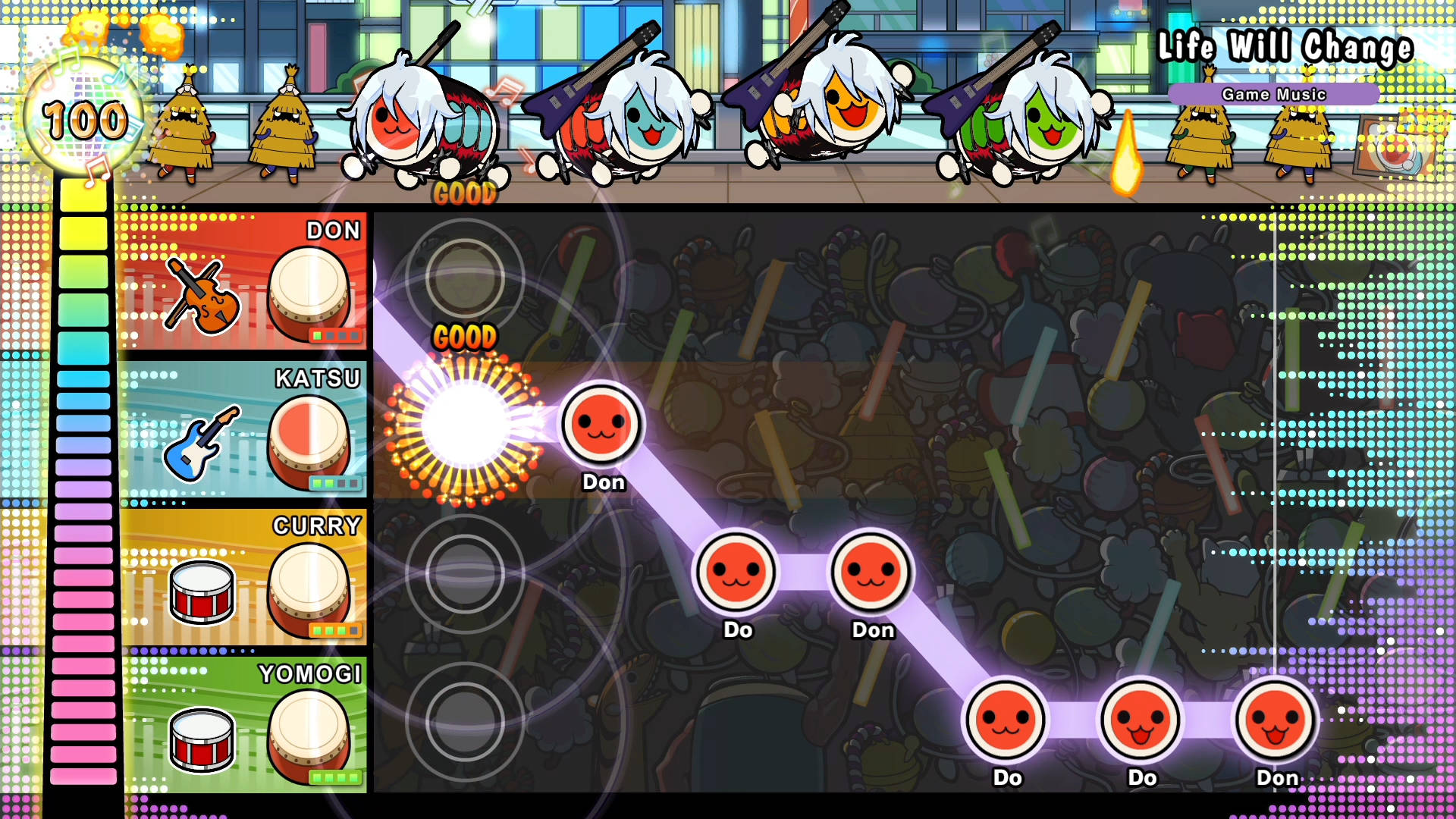
Over in the party game section, we get two new entries: Great Drum Toy War and Don-Chan Band. The former is a fun (but relatively simple) competitive strategy game where you put together a team of toys to fight against your opponent’s army. The better you do during a song, the more of your toys you’ll send out. Don-Chan Band, meanwhile, is a cooperative mode where up to four people work together by playing different instruments in a band while trying to complete songs. Great Drum Toy War is the better of the pair, but both are nice additions that help keep the game feeling fresh. Still, it’s hard not to miss Drum ’n’ Fun’s large variety of mini games, or its ability to host local 2-4 player sessions. Beyond all of that, there are a few different options for playing against other taiko drummers over the internet, but having spent a number of nights now getting slaughtered by players in Japan and their ungodly ability to do drumrolls, I don’t know that my ego can take playing online too much.

If you’re a fan of the series, and especially if you’re one who has picked up Hori’s Switch drum controllers, then Taiko no Tatsujin: Rhythm Festival is a no-brainer. If you’re going to only have one of the Switch releases, though, then things get a bit more complicated. I think Drum ’n’ Fun is my favorite of the two, given I like more of the songs it features, and appreciate its far more robust offerings for playing with others locally. At the same time, Rhythm Festival will be friendlier to newcomers, it has more single-player content, and the Taiko Music Pass is just so incredibly attractive if you’re looking to only invest in one game.

What’s most important is that, 20-plus years later, the Taiko no Tatsujin series remains an enjoyable, charming, and consistent series no matter which game Switch owners choose. In a world that’s endlessly changing, that’s comforting.

The Time I Leaked Final Fantasy VII’s New Bosses

As someone who’s been in games media a long time now, I’ve dealt with tons of embargoes/NDAs. Over all those years, I’ve never broken any intentionally, and only a couple on accident.

But let me tell you the quick story of my biggest leak–and it was all Nick Rox’s fault.

As a bit of set-up, back in the olden days, JRPGs had very little presence in the West. Sure, some games like Phantasy Star, Final Fantasy, Crono Trigger, and others came our way, but they hadn’t reached the widespread popularity they would in later years.

Sony decided that it wanted to help Squaresoft push Final Fantasy VII leading up to its release, as it was a HUGE deal that the series had made the jump from Nintendo to PlayStation. As a part of that, Sony would be the publisher for FFVII outside of Japan.

For the Western release, Square would end up adding some new content to the game, the biggest of which (from my memory/understanding) was some sort of new weapon bosses.

I don’t know exactly. I’m not a FFVII person.

So, I’m working at GameFan, and we’ve got a copy of the game early for the benefit of doing up our review. I don’t remember how far in advance, but back in those days, it was far more common to have games months in advance of release, versus today when it might be days/a week.

I was the person running GameFan Online at the time, because I have long been cursed with doing online stuff when I wanted to be doing magazine stuff. One day Nick comes in, and is like, “Hey Mollie, let’s do a story on the English version of FFVII!”

He tells me that there’s these new bosses in the game, and that we should show them off on the site. At that point, I didn’t know anything about the game, didn’t care so much about it (I was faithful to FF6), and had no clue about any new content. So I just nodded along. He got me some screenshots, a few details, and I wrote up a news post. Didn’t really think all that much about it, and when work was over, I went home and put it out of my mind.

The next day, I’m strolling it to work, carefree and go lucky, when one of the few responsible adults we had at GameFan comes rushing up to me and yells, “WHAT THE FUCK DID YOU DO?!?”

He proceeds to tell me that Sony called first thing in the morning furious at us, as we had shown off content that wasn’t supposed to be shown yet. The few people who were there in the office had to then scramble to figure out how to use the website to pull the story. Because Nick had just dumped everything in my lap and asked me to do something with it, the story had my name on it, and thus Sony put the blame on me.

And thus, I would be the one responsible for leaking the new bosses for the Western release of Final Fantasy VII.

Thankfully, GameFan would go on to be the reason that pirate copies of Resident Evil 2 were showing up in SoCal game stores before the game even launched, so I was far from the biggest screw-up to come out of that magazine.

Steelrising Review

There’s long been a trend in cinema where two movies will come out in close proximity that both touch upon surprisingly similar subjects. We’ve seen pairings such as Deep Impact and Armageddon, Turner & Hooch and K-9, and Olympus Has Fallen and White House Down. Right now, over here on the gaming side of the tracks, we’re experiencing our own such phenomenon, as two new Souls-likes look to tackle the idea of an automaton hero taking on an evil clockwork army in a dark and twisted version of a past era: Spiders’ Steelrising and Round 8 Studio’s Lies of P.

In contrast to the tale of a weirdly hot robot Pinocchio living out a reminaging of an Italian children’s novel, Steelrising pulls from the real-life French Revolution. Here, King Louis XVI attempts to quell an uprising of the people using an army of robots created by Eugène de Vaucanson, the fictional nephew of French inventor and artist Jacques de Vaucanson (a pioneer in the world of early automata). As the King’s machines rampage across Paris, there’s only one being that can stop them: Aegis, a fellow android that currently serves as a bodyguard to Queen Marie Antoinette. With her mistress concerned about the actions of the King, Aegis heads out to learn more about what’s going on and try to put a stop to the madness.

From the beginning, Aegis is an interesting character, and she plays into a concept I’ve long found fascinating: the hero who came to exist primarily as a tool for humanity, but who then rises above humans to become their savior. (It doesn’t hurt that I finally watched Blade Runner 2049 recently, which touches on some similar topics.) At first, her interactions with NPCs in Steelrising are borderline comical, as pretty much every encounter runs through the same cycle: Aegis tries to speak to someone, they assume she’s a death machine, she explains that she’s out on orders from the Queen, and then said person suddenly has a change of attitude and begs for help.

The deeper we get into the game, the richer Aegis’ personality becomes, yet that happens without the developers ever feeling the need to make her too human. She has a few moments of real emotion that I can’t speak to more without getting into spoiler territory, but I quite enjoyed getting to play as a character that has a voice (figuratively and literally) and involvement in what’s happening while also feeling like more of an observer to the human drama that’s going on rather than a full participant. As someone who often gets too emotionally involved with making choices in narrative games, it was a nice break to get to commit to decisions while also kinda not caring about the messes those fleshbags were getting themselves into. Let me have cake, and eat it too.

We also see Aegis grow as a character on a gameplay level. When Steelrising kicks off, our heroine really isn’t that much of a bodyguard, as her stats are pretty low and her abilities very simple when it comes to Souls-likes. After felling the first handful of bosses, the game offers up three upgrades which make Aegis less clunky in both combat and exploration: a grappling hook that can also deal electrical damage, a ground/air dash that builds up an enemy’s frost status when hit, and a powerful kick that can both destroy obstacles and set foes alight.

Steelrising initially promises a wide array of weapons for players to experiment with, but the reality is that there’s a core selection of armament types that then shuffle their special moves and elemental affinities to create more variety. The thing is, I never felt like I had all that much choice in what to wield, at least in the way I approached the game. Early on, I was swapping between the Armored Fans, Fire Chain, Shield Musket, and Wheel of Vengeance (a giant pocket watch that swings very slowly yet hits very hard). However, thanks to one boss in particular, it soon seemed illogical to go with anything other than a weapon that features the ability to counterattack. If I really needed to do elemental damage, Aegis’ upgrades were always there, and maybe I just don’t know how to use it right, but Steelrising’s block (for those arms that offer it) feels almost useless. Being able to parry most of the attacks enemies would throw at me, and then get in extra hits in return, was just far too powerful an option to ever consider swapping out.

My lack of enthusiasm over weapon selection would lead to a bigger realization I had about why Steelrising just wasn’t sitting right with me early on: This is a game that seems to take inspiration from Dark Souls—as in, the original Dark Souls—when we’re now living in a post-Elden Ring world.

Now, I want to be clear: I’m directly comparing Spiders’ latest release to FromSoftware’s groundbreaking action RPG because such comparisons are absolutely going to happen, fair or not, given the games launched mere months apart. In that, it just feels like some of the ideas here are now clearly outdated. The treacherous and/or lengthy runs back to bosses and the emphasis on backtracking-laided exploration due to a lack of fast travel are a few examples. This isn’t just an issue when comparing Steelrising directly to Elden Ring, but also when looking toward older games such as Dark Souls III or Bloodborne, where FromSoftware was already moving past some of the ideas it had helped to popularize.

In fairness, on the other side of the argument, there are a few neat touches here that offer new twists on old Souls ideas. One is the Endurance system, which acts as your typical stamina bar, governing how many attacks or other actions Aegis can unleash before needing to let the bar refill. When that bar is completely drained, you can use a special Rapid Cooling option to quickly recharge Aegis’ Endurance at the cost of giving her some amount of frost ailment. Use Rapid Cooling too often, or use it when fighting an enemy that can also proc frost, and you could find yourself temporarily unable to move. I’m sure I’m forgetting some other Souls-like out there that offers up a similar system, but it’s a neat risk-reward feature that feels appropriate to the setting. Spiders also gives us a pretty fantastic Assist Mode for players who might need help during the game, where you can: reduce the damage you take (even down to 0%); set it to not drop your anima (aka souls) upon death; increase stamina regeneration (up to 300%); or activate easier cooling. I honestly didn’t try these for myself, out of fear of it negating my chance to get certain achievements, but I really appreciate that Assist Mode is there for those who might want it.

Steelrising is absolutely not a game I’d call bad or even average, and it certainly is far from the weakest Souls-like I’ve played over the years. And, as the game goes on, some of its rough patches smooth out, while other quirks just become part of the experience. It’s just, I wish Spiders had focused more on its own blend of action gameplay rather than copying off FromSoftware’s work, even if the result had come along with more jank. Or—dare I say it—I maybe wish Steelrising had been less Dark Soulsand more Nier: Automata. Having the game’s enemies be big, clunky, and awkward when moving or attacking makes sense, but given Vaucanson built Aegis primarily to be a dancer, it’d have been more fitting (and potentially more fun) to have her contrast them by being nimble and graceful in her attacks.
Another reason I wish the team had followed its own path more is that the narrative feels far more in line with Spiders’ previous works—and that’s the side of Steelrising that makes it stand out the most. Now, as your typical American who went through the public school system, I barely know my own country’s history, let alone that of some strange foreign land like France. So, I’m not too proud to admit that when the game was talking about the Estates General or the Tennis Court Oath or asking me to keep track of people like Maximilien Robespierre and Jean-Sylvain Bailly, my Aegis was just smiling and nodding along like she actually knew what was going on.

That’s part of the game’s charm, though: just how unapologetic and unafraid it is to dive into real-world 18th century French history in between asking me to fight murderbots. Maybe I’m too used to experiencing world history from a Japanese lens, where warships become teenage girls or records show George Washington punching tigers, but you’ve gotta respect how serious Spiders treats its home country’s past here. Well, except for the inexcusable decision to not give us a French-language audio track. Playing A Plague Tale: Innocence in the game’s mother tongue was a joy for me, and to not have the same option here feels like a huge oversight.

In the end, I think Steelrising is a decent new release that stumbles somewhat by trying to emulate the cool kids instead of just being its own person… er, robot… er, game. When looked at simply as a Souls-like, it’s definitely good, but it also certainly could have been better. As a complete experience when factoring in the characters, storyline, and other elements, however, it eventually grows into something that’s genuinely unique and respectable. I don’t know that I’d want a sequel to Steelrising—because it doesn’t really need one—but if one does come, I’d rather Spiders find its own voice when crafting the gameplay, rather than trying harder to mimic or enhance someone else’s.

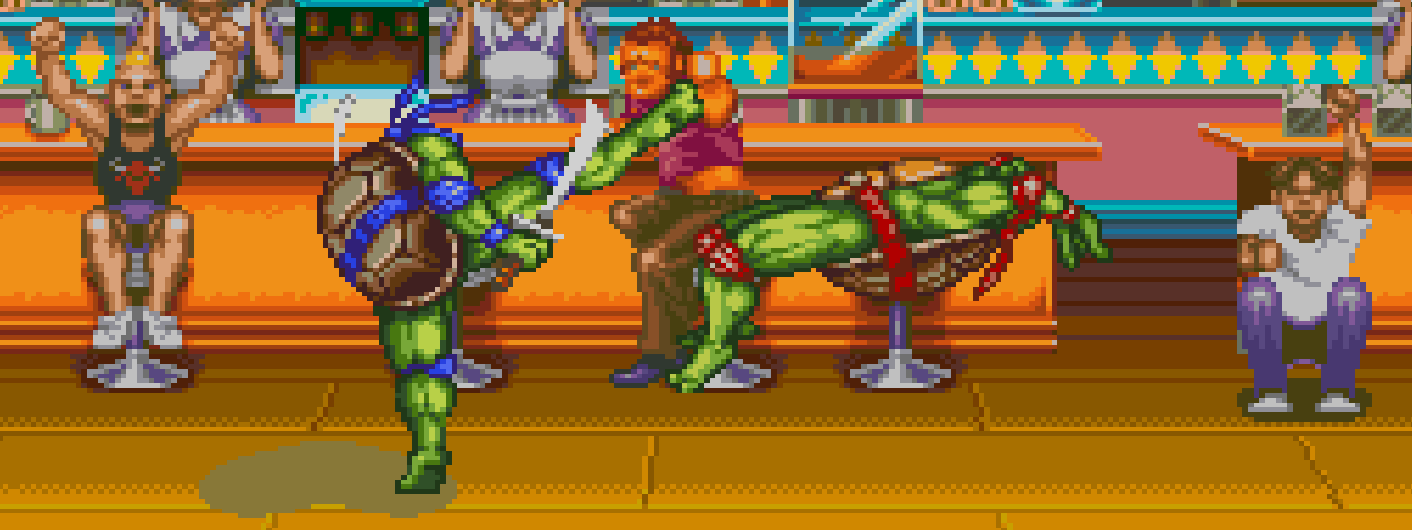
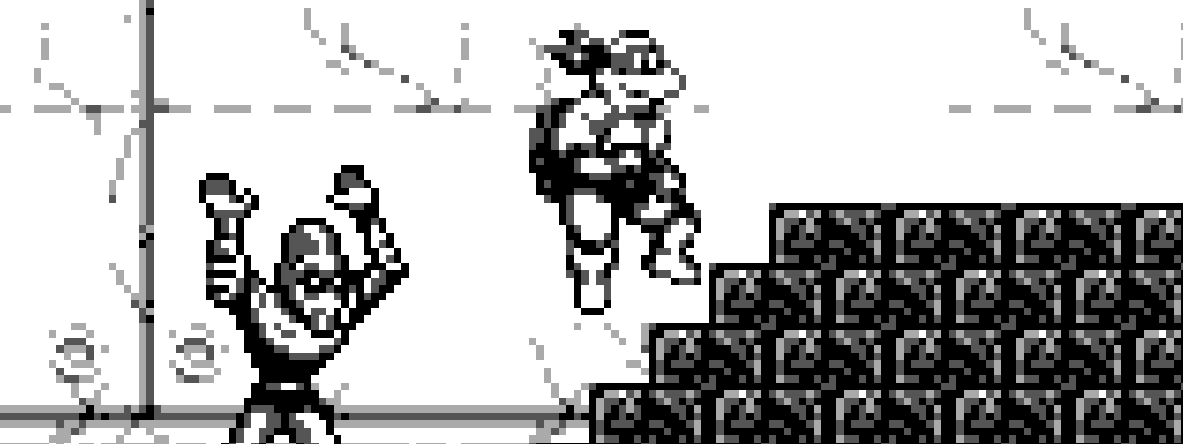
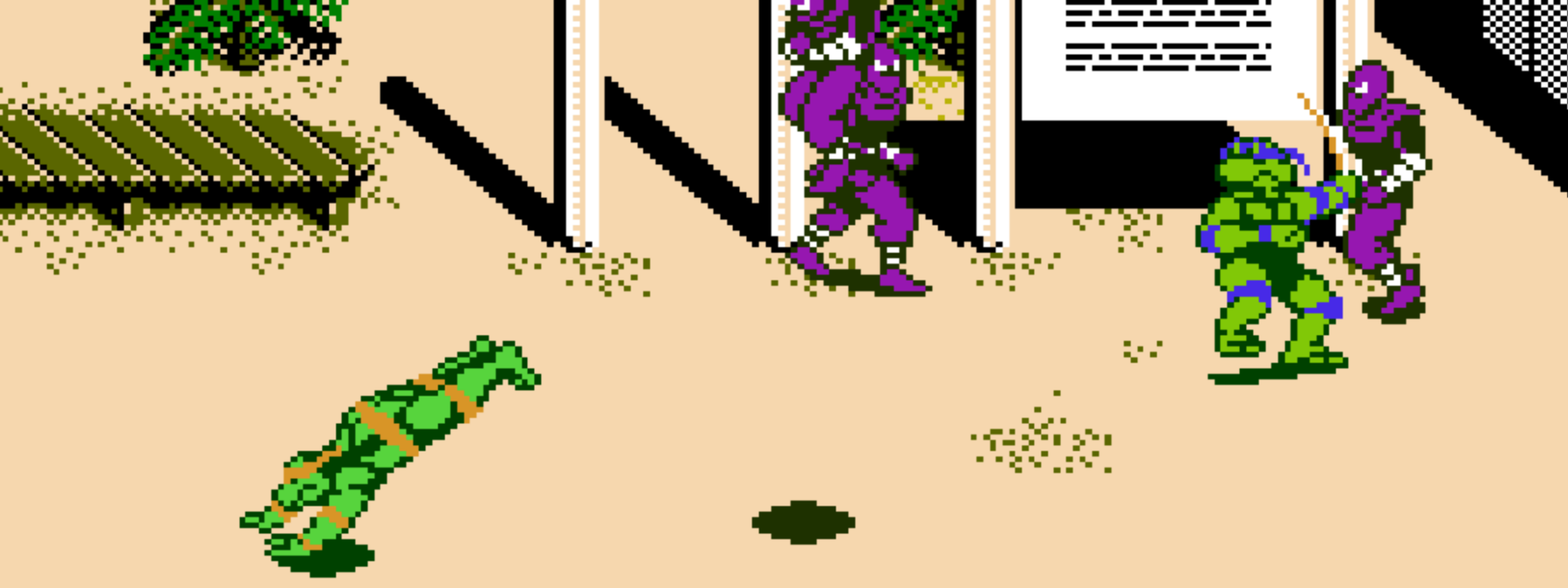
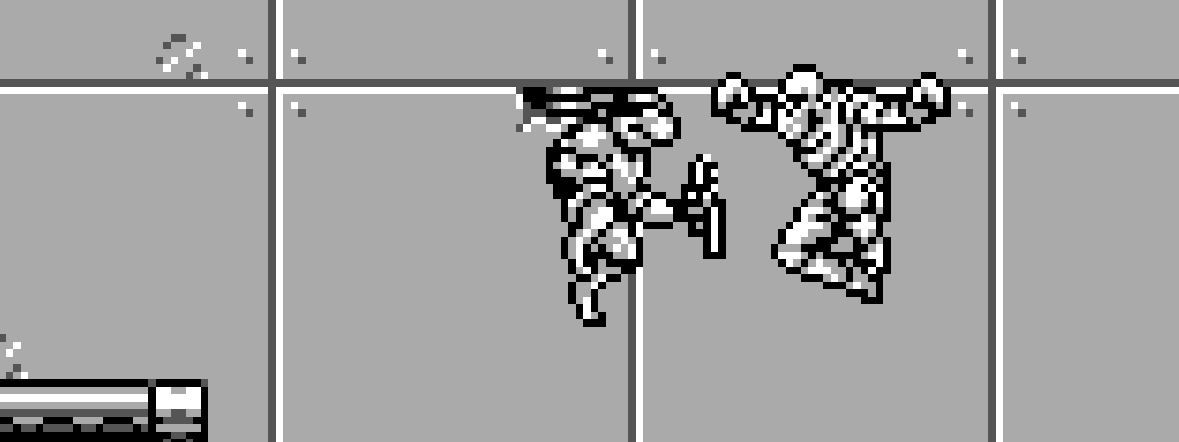
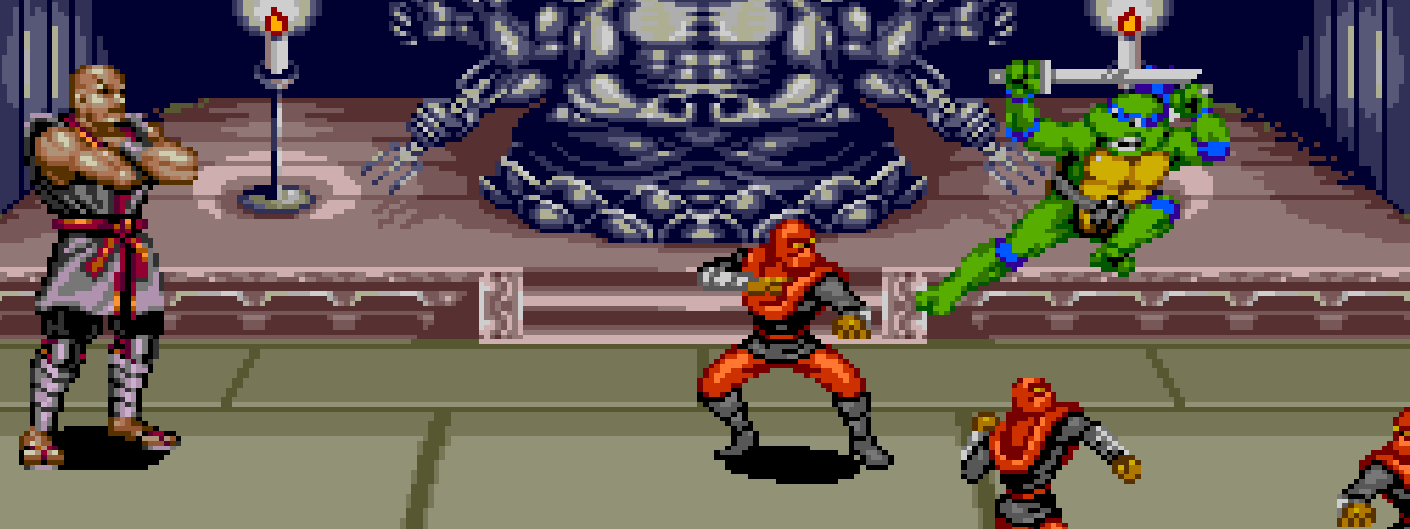
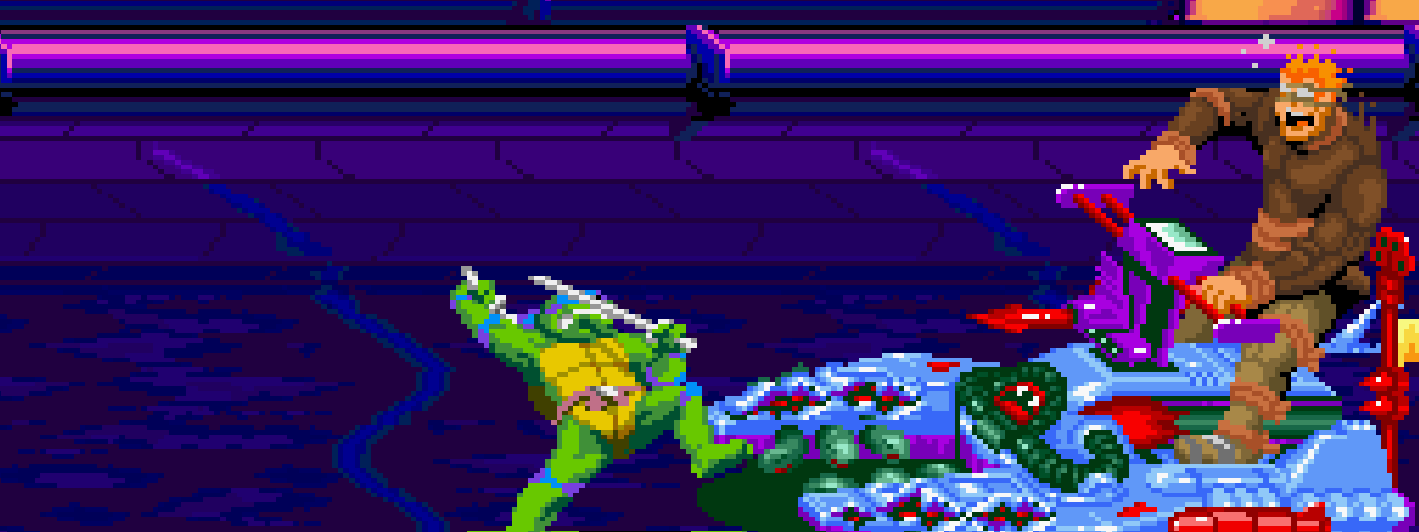
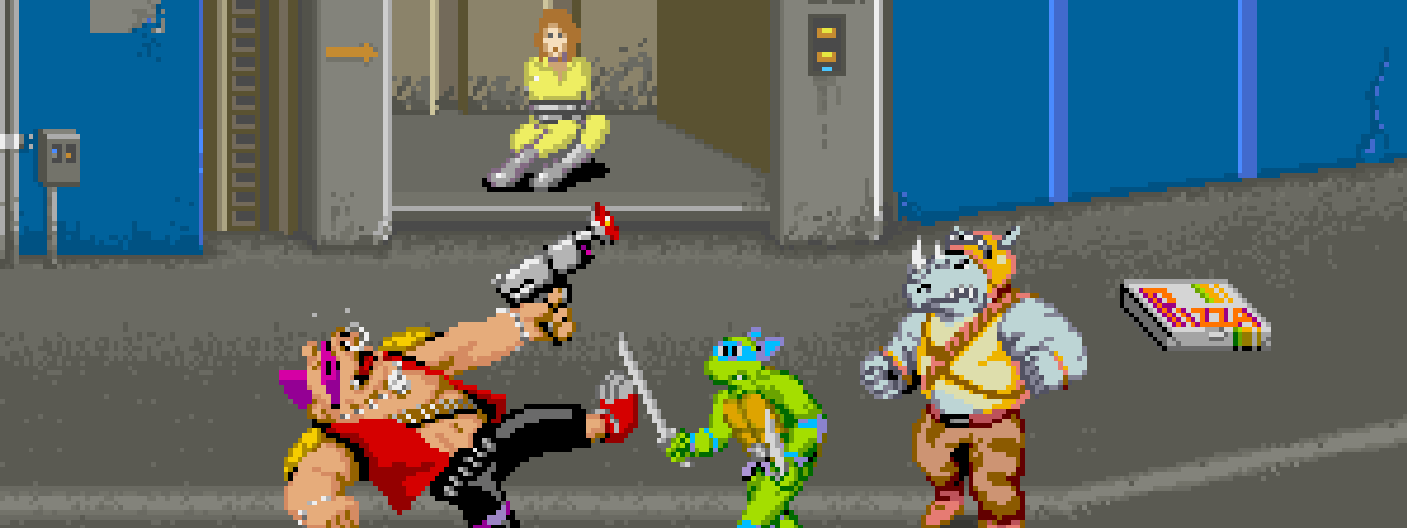
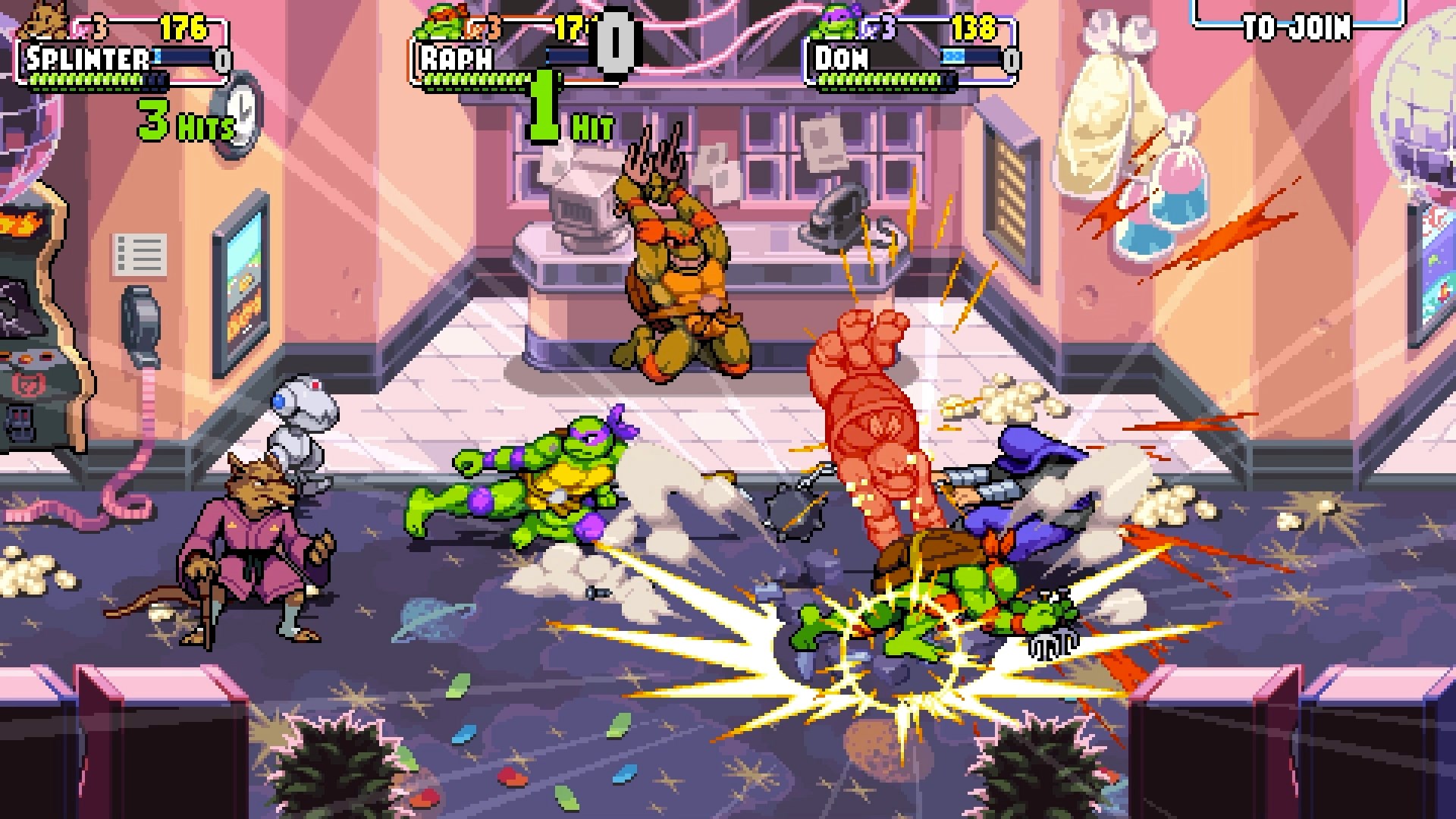
TMNT: The Cowabunga Collection Is Here—but How Do Its Games Hold Up?

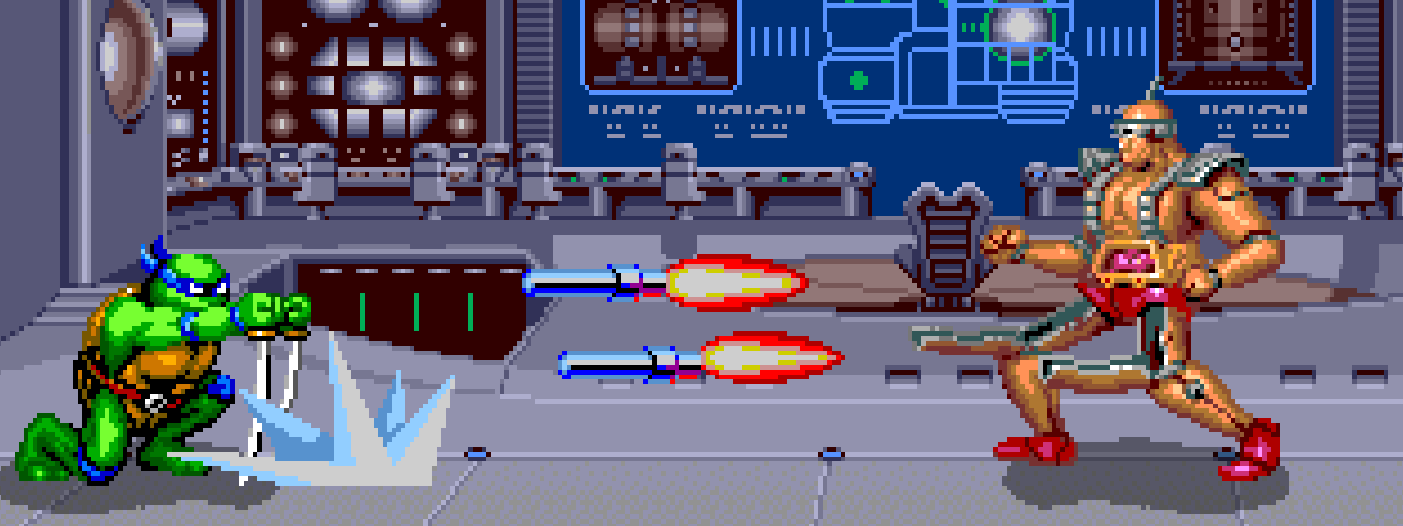
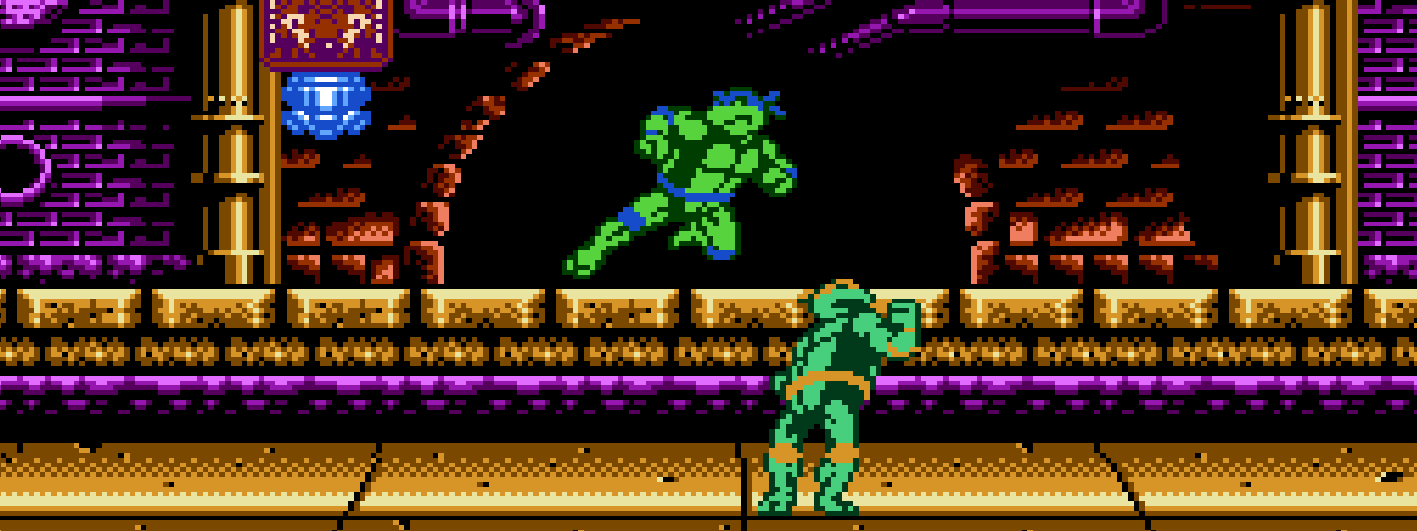
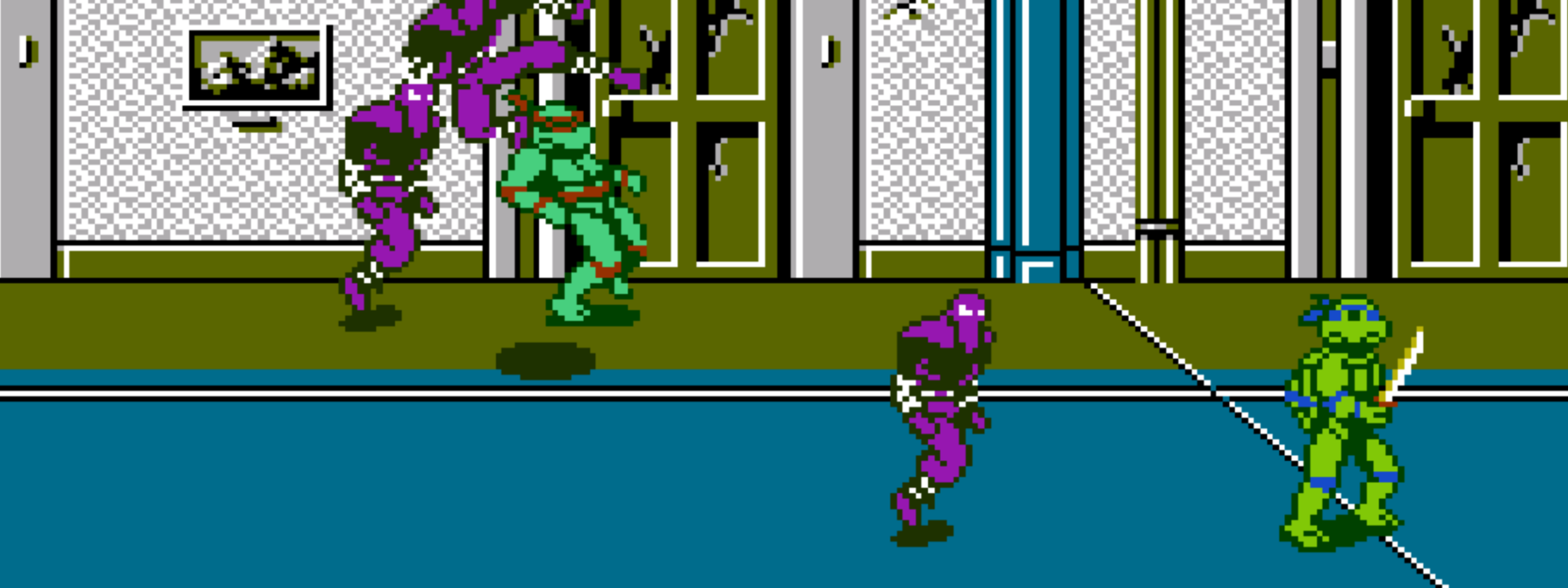
In Teenage Mutant Ninja Turtles: The Cowabunga Collection, Konami and Digital Eclipse have come together to produce what really is a pretty fantastic compilation of the Japanese developer’s extensive efforts in releasing Turtles-related games in the 8- and 16-bit eras. And when I say extensive, I mean it: the 13 games featured here came out across only five years, 1989 to 1993.

With The Cowabunga Collection, you can play (or replay) a wide variety of games featuring Leonardo, Raphael, Donatello, and Michaelangelo, from classics like the original Teenage Mutant Ninja Turtlesarcade game or TMNT: Turtles in Time on the SNES, to some lesser-known but surprisingly still enjoyable gems (that I won’t spoil just yet).

Digital Eclipse has been putting some very welcome effort into its recent retro compilations, and The Cowabunga Collection features some really appreciated emulation-level options—such as better performance for the NES games, and gameplay modifiers for others—along with a ton of supplemental materials.

The problem is, trying to properly review 13 vintage games, including a handful I’d never touched before, with modern eyes, opinions, and preferences can be pretty tough at times. So, instead, I’m taking another approach here. Rather than just give you a standard review for Teenage Mutant Ninja Turtles: The Cowabunga Collection, I’ve ranked its thirteen featured games not only in terms of their quality, but also in terms of how worth playing they still are.

So, without further ado—here’s that list!

#13 TMNT: Tournament Fighters
1993 – Sega Genesis

If you’d ask me before putting this list together if I’d have thought that Teenage Mutant Ninja Turtles: Tournament Fighters for the Genesis would come in dead last, I’d never have believed you. Sadly, this may very well be the worst game in this collection. Given the vast array of characters introduced in the show’s first season alone, how do you make a fighting game based around TMNT with only eight characters—where one is a nobody from the comics, and another a totally original character? The graphics are disappointing, the controls are a mess, and there’s just little fun waiting here.

#12 TMNT: Tournament Fighters
1994 – NES

Teenage Mutant Ninja Turtles: Tournament Fighters on NES is not a good fighting game in any serious way. Its sprites are small, its core mechanics aren’t all that exciting, and its roster of characters is lacking. But here’s the thing: Unlike what we just talked about on Genesis, the NES version has legitimate excuses for being the way it is. Nintendo’s 8-bit console wasn’t beefy enough to handle fighting games, and when taking that into consideration, what we get here is actually impressive. I don’t put Tournament Fighters on the NES this low on the list due to any feelings of malice in my heart. It’s near worthless if you’re looking for a Turtles-centric fighting game, but it’s neat as a tech demo for what the NES could do if pushed to its limits.

#11 TMNT II: Back from the Sewers
1991 – Game Boy

Teenage Mutant Ninja Turtles II: Back from the Sewers feels like that “we have food at home” meme, where the original Game Boy game is what the kid wants, and this is what’s waiting for them at home. Sloppier controls, less engaging gameplay, and some real dollar store-quality sprites for the Turtles make me confused on how this was the sequel to Teenage Mutant Ninja Turtles: Fall of the Foot Clan rather than its predecessor. I’m sure someone out there will try to convince me I’m wrong about Back to the Sewers, but I’m not.

#10 Teenage Mutant Ninja Turtles
1989 – NES

The original Teenage Mutant Ninja Turtles on the NES has grown into this sort of legendary game at this point, due to its unnecessarily punishing difficulty, obnoxious stage design, and overall complex gameplay—especially for a release that should have been friendlier to younger players. Going back to it now years later, TMNT is… well, it’s fine. Is it good? Absolutely not, no matter what some people on the internet will tell you. But it’s also not really bad either—though I think it would have been far more enjoyable to go back to had Digital Eclipse build in some difficulty options like they did for other entries in The Cowabunga Collection. As it stands, it’s an awkward, ugly, yet strangely charming experience that isn’t as terrible as you might be assuming.

#09 TMNT II: The Arcade Game
1990 – NES

I feel bad for Teenage Mutant Ninja Turtles II: The Arcade Game, because it does not deserve being so low on this list. I have so many memories as a child of games I loved in the arcade finally coming to the NES, only to have those ports either be absolutely awful or nothing like their coin-op counterparts. TMNT II, on the other hand, is a fantastic home port when considering the limits of the NES, and I would have been ecstatic to get the game as a kid. The problem is that, you know, this collection brings with it the actual arcade game, leaving this as more of a fun novelty or fuel for nostalgia. I’m sorry Teenage Mutant Ninja Turtles II: The Arcade Game—you really do deserve better than I can give you.

#08 TMNT: Tournament Fighters
1993 – SNES

Far and away, the best version of Teenage Mutant Ninja Turtles: Tournament Fighters the world received was the Super Nintendo version. Of course, that statement only says so much. Yes, the visuals and audio are markedly improved here, the controls are far better, and the roster is definitely the better among the three versions. Still, none of that means that this is a particularly great fighting game, or that it comes close to filling the potential that existed for such a project based around the Heroes in a Half Shell. If you’re curious about the Tournament Fighters trio, this is definitely the one to play—but I’m not sure how much playtime most will put into it.

#07 TMNT: Fall of the Foot Clan
1990 – Game Boy

The Turtles’ first foray onto Nintendo’s groundbreaking portable gaming machine, Teenage Mutant Ninja Turtles: Fall of the Foot Clan, is a totally respectable attempt to craft a side-scrolling action game based around our four heroes and their adventures. It’s also, unfortunately, kinda unremarkable. The problem is, this is one of those games where it feels generic enough that you could swap in characters from any other famous brand and still basically have the same experience. It’s got some decent sprites, it controls and plays much better than its sequel, and it’s a fine action game—but not particularly a good TMNT action game.

#06 TMNT III: The Manhattan Project
1991 – NES

Teenage Mutant Ninja Turtles III: The Manhattan Project is easily one of the two most interesting inclusions on The Cowabunga Collection to me. Here in the far-flung future of 2022, it can be pretty hard to still appreciate 8-bit beat ’em ups, but Manhattan Project is both a wholly original game (rather than an arcade port), and a release I’m assuming a lot of people have never played (as it came out three years into the 16-bit era). This is a pleasant surprise and still fun to give a go, especially when you use the options to eliminate slowdown and sprite flickering. These kinds of all-encompassing collections are often praised for bringing together a wide variety of beloved classics in one place, but they also hold a lot of potential for giving lesser-known releases—such as The Manhattan Project—the second chance they deserve.

#05 TMNT III: Radical Rescue
1993 – Game Boy

If The Manhattan Project was a nice surprise given I’d never had the chance to play it in my younger days, Teenage Mutant Ninja Turtles III: Radical Rescue was a total shock given what I was expecting after the first two Game Boy titles. Suddenly, instead of simpler side-scrolling actioners, we get a full-blown Metroidvania, where you start as Michelangelo, have to find your brothers, and then properly use all their special abilities to save the day. Even crazier, that more exploratory and thoughtful design comes with controls, gameplay, and framerate that are far smoother than either of the previous, more action-oriented Game Boy titles. Add on top of that some great sprite art, and you’ve got my vote for the biggest hidden gem on the collection.

#04 TMNT: The Hyperstone Heist
1992 – Sega Genesis

Look, as a lifelong Genesis fan, I can’t help but have a place in my heart for Teenage Mutant Ninja Turtles: The Hyperstone Heist. Sure, it’s basically a mixture of elements taken from other TMNT games instead of a proper arcade port or more developed original project. And absolutely, it seems evident that Konami totally phoned this one in at times, given the shockingly simplistic backgrounds and gameplay sloppiness that show up more often than I’d like to admit. But still, it was the only game based around the Turtles that we had—and its mixed-up nature also makes it kinda interesting to go back to even today.

#03 TMNT: Turtles in Time
1991 – Arcade

Now, I can already hear some of you getting mad at me over daring to put Teenage Mutant Ninja Turtles: Turtles in Time in third place instead of higher. To some, this is the greatest TMNT video game of the retro era, and I can definitely understand why. Improving on nearly every aspect of the original arcade game, Turtles in Time is a blast to play (especially with three other people), the gameplay and visual/audial presentation see some nice improvements, and the time travel aspect offers up a welcome variety of stages and enemy types to keep things from getting boring. It’s just that, you see…

#02 TMNT: Turtles in Time
1992 – SNES

Teenage Mutant Ninja Turtles: Turtles in Time on the Super Nintendo is the better version of all of that. Sure, there are a few visual cuts here, a questionable change or two there (like the SNES-exclusive version of the “Neon Night-Riders” stage, which I am not a fan of), and having a max of two players instead of four does suck. Beyond that, however, this is really Turtles in Time: The Director’s Cut, as the SNES port is simply more complete, polished, and enjoyable than its arcade counterpart. If you’ve got friends over, then play that original arcade version and you’ll have a blast. If you want the true Turtles in Time experience, though, you’ll only find it here.

#01 Teenage Mutant Ninja Turtles
1989 – Arcade

And with that, we get to my pick for the game that remains the most exciting and engrossing member of The Cowabunga Collection to this day: the original Teenage Mutant Ninja Turtles arcade game. It may be the second TMNT-related video game to ever come out, but even after 30-plus years, it’s still one of the best. Nearly everything that Konami put into this release stands up to this day, and the game captures the look, energy, and character of the cartoon series amazingly well. Sure, Teenage Mutant Ninja Turtles might not be as fancy, flashy, or flavorful as its older sibling Turtles in Time, but it distills the essence of the Turtles franchise down into a gaming experience in a way that few other games have been able to since.

Sega Reveals the Full Line-up for the Genesis Mini 2

Three years after the original hit stores, Sega returns to the world of all-in-one consoles with the Genesis Mini 2. And now, we know the full line-up of the North American version of the system.

Before we go on, I do want to make sure that we’re clear on that “North American version” part, as things are going a bit differently compared to the original Genesis Mini. As opposed to that system, which was sold by a variety of retailers, the Genesis Mini 2 is only available from Amazon, and the unit is shipped from Japan, resulting in a decently steep shipping fee. As well, Sega has stated that it is making about “one-tenth” the amount of units it made for the original Genesis Mini, so if you want one, pre-ordering might be a smart idea.

Anyhow, on to the games! Here’s the full roster of 60 titles:

Cartridge Games

  • After Burner II
  • Alien Soldier
  • Atomic Runner
  • Bonanza Bros.
  • ClayFighter
  • Crusader of Centy
  • Desert Strike: Return to the Gulf
  • Earthworm Jim 2
  • Elemental Master
  • Fatal Fury 2
  • Gain Ground
  • Golden Axe II
  • Granada
  • Hellfire
  • Herzog Zwei
  • Lightening Force: Quest for the Darkstar
  • Midnight Resistance
  • OutRun
  • OutRunners
  • Phantasy Star II
  • Populous
  • Rainbow Islands -Extra-
  • Ranger-X
  • Ristar
  • Rolling Thunder 2
  • Shadow Dancer: The Secret of Shinobi
  • Shining Force II
  • Shining in the Darkness
  • Sonic 3D Blast
  • Splatterhouse 2
  • Streets of Rage 3
  • Super Hang-On
  • Super Street Fighter II The New Challengers
  • The Ooze
  • The Revenge of Shinobi
  • ToeJam & Earl in Panic on Funkotron
  • Truxton
  • VectorMan 2
  • Viewpoint
  • Virtua Racing
  • Warsong
Sega CD Games

  • Ecco the Dolphin (CD Ver.)
  • Ecco: The Tides of Time (CD Ver.)
  • Final Fight CD
  • Mansion of Hidden Souls
  • Night Striker
  • Night Trap
  • Robo Aleste
  • Sewer Shark
  • Shining Force CD
  • Silpheed
  • Sonic The Hedgehog CD
  • The NinjaWarriors

Bonus Games

  • Devi & Pii (Previously unreleased)
  • Fantasy Zone (New port)
  • Space Harrier II + Space Harrier(New ports)
  • Spatter (New port)
  • Star Mobile (Previously unreleased)
  • Super Locomotive (New port)
  • VS Puyo Puyo Sun (New port)

Given the original Genesis Mini featured 42 games, bumping the library for the Mini 2 up to 60 is nice to see. In terms of the games themselves, I definitely think we’re getting more of an “enthusiast” mix here. On the original Mini, you had a lot of iconic Genesis titles, heavy hitters, famous releases, “must have” inclusions, and then a handful of titles that were either more eclectic or harder to get in the modern era due to availability or price. (If you haven’t already, you can read my review of the system.)

Here, in terms of the cartridge-based inclusions, we’re getting: some secondary—but still really good—releases from popular franchises (Streets of Rage 3, Golden Axe II, Shining in the Darkness); some beloved but more hardcore titles (Herzog Zwei, Gain Ground, Rolling Thunder 2, Splatterhouse 2); some niche yet awesome Japanese-developed games (Ristar, Ranger-X, Alien Soldier, Warsong); and some games that’ll cost you a pretty penny to pick up at this point (Atomic Runner, Truxton, Crusader of Centy).

All in all, this is a very decent line-up of games, and while there are some titles that I feel are obviously missing from the system, I think Sega has really put together a roster of titles that justify the existence (and ownership) of the Genesis Mini 2.

The Sega CD library, on the other hand, isn’t as nice. Don’t get me wrong, there’s some good stuff here, with Sonic CD, the two upgraded versions of Ecco, Final Fight, and a few others. Mansion of Hidden Souls isn’t necessarily a good game, but it’s one I still have some warm memories of. The problem is, with how small the Sega CD’s full library of releases was, the omissions become especially glaring. No Lunar: The Silver Star, Lunar: Eternal Blue, or Popful Mail—when all three are on the Japanese version of the system. (Yeah, I know, it’s probably an issue with getting or using Working Designs’ localizations, but still.)

Japanese buyers get awesome Mega CD releases like Romance of the Three Kingdoms IIIand Shin Megami Tensei, while we get nonsense like Night Trap and Sewer Shark. Sure, you can say that’s because those games don’t have English versions—except RotTK III does on cartridge, which we totally could have gotten—but do you know what was brought over in English? Snatcher. After the debacle of getting the untranslated PC Engine version on the Turbografx-16 Mini, Sega could have scored serious points with fans by tossing some money Konami’s way. Speaking of money, how about Keio’s Flying Squadron, which currently goes for three-thousand five-hundred US dollars for a complete copy? That game alone could have justified the purchase of a unit.

If the Sega Genesis Mini 2 has an awesome roster of cart-based games, and a so-so collection of Sega CD titles, its much-expanded selection of bonus inclusions is pretty weird—and I can definitely appreciate weird. Perhaps most exciting for me is Space Harrier II. Well, not that game itself, because I don’t care about it, but the fact that it seems to be coming along with a new port of the original Space Harrier for Genesis. Getting the second game instead of a better home port of the first was one of my biggest disappointments at the launch of Sega’s 16-bit console, so if we are in fact finally getting a proper Genesis port of Space Harrier, I’ll be incredibly happy. It’s hard for me to say too much about the rest of the bonus games (beyond Fantasy Zone and VS Puyo Puyo Sun), as I have no experience with any of them. But, that’s part of why I’m looking forward to trying the system out.

[Update: I’ve now confirmed for myself that a new Genesis port of Space Harrier is indeed included on the system. It’s a bittersweet addition: I’m so happy we finally have a proper port of the original game, but man, it’s really pushing the tech specs of the Genesis to its limits. The sprite flicker that’s going on is, at times, off the charts.]

Finally, I would be remiss if I didn’t point out one of the best features of the Sega Genesis Mini 2: the fact that that grotesque 3-button controller has been tossed in the garbage in exchange for the joy that is the Genesis 6-button pad. That controller remains one of the best input devices for 2D gaming to this day (only bested by its younger sibling, the Saturn pad), and the 3-button controller we got with the North American Genesis Mini was one of its biggest hardware failings. Sega has made the right decision this time around, and I salute them for it.

The Sega Genesis Mini 2 will be available October 27th.

Sunsoft Returns in Strange, yet Charming, Video Presentation

If you’re someone who’s been around video games for a decent chunk of years like I have, then the name Sunsoft should be very familiar. During the 8- and 16-bit eras, the company published a long list of great (and maybe not-so-great, but at times infamous) games. While Sunsoft was still around through later console generations, its releases mostly dried up after the original PlayStation, leading to only a smattering of games in recent years.

While those efforts may have mostly vanished, Sunsoft as a company has still stuck around. In a move that almost nobody (including myself) saw coming, Sunsoft took to Twitter recently to hint that some news would be coming soon—and we now know just what it were teasing.

In a special video presentation today, V-tuber Sunsoft-Nosuke—unfortunately, I can’t find enough information about current-era Sunsoft to know the man behind the avatar—brought announcements of three new releasing coming soon from the company.

First up is Ikki Unite, a PC co-op roguelike that’s a reimagining of Sunsoft’s 1985 Famicom release Ikki. I don’t really know too much about this game, but Sunsoft-Nosuke points out that it came to be known as kusoge in his home country—a shortening of the term “kuso ge-mu,” which literally translates into “shit game.” Some kusoge are seen as scourges on the hobby, similar to releases like E.T. The Extra-Terrestrial on Atari 2600, while others have amassed a fanbase over the years, even if those fans openly admit that the games are terrible.

The second and third announcements, however, are were things get a lot more interesting for us Western gamers. The biggest of the two is the reveal that Gimmick!—also called Mr. Gimmick!—is finally getting a proper release outside Japan. Gimmick! is a legendary NES/Famicom platform, one that’s known for pushing the visual and audial capabilities of Nintendo’s 8-bit console to its limits.

Unfortunately, Mr. Gimmick! launched during the early years of the SNES/Super Famicom, causing it to never get the attention it deserved, and limiting its release to only Japan and Scandinavia. In fact, back in the early days of EGM, we actually reviewed the game in Electronic Gaming Monthy Vol. 5 Issue 7, in preparation for the game’s release later that year (1992)—a release that would then end up being cancelled.

Now, not only will Mr. Gimmick! be coming to Switch, PlayStation 4, Xbox One, and PC this winter, but it seems we’ll also be getting a reissue of the game’s soundtrack on vinyl and cassette through Ship to Shore.

Finally, Sunsoft-Nosuke announced that Ufouria: The Saga, another classic Famicom game from the company, would also be getting ported over to Switch, PlayStation 4, Xbox One, and PC early next year. While Ufouria saw wider release than Mr. Gimmick! did back in the day, it too had its North American release cancelled by Sunsoft of America due to the main characters being too “strange or quirky” (though it would later come to our shores via Nintendo’s Virtual Console). Ufouria: The Saga‘s soundtrack will also be hitting vinyl and cassette, bundled together with the music from another beloved Sunsoft classic, Journey to Silius.

Following that, Sunsoft-Nosuke teased more announcements coming from the company, saying that there were “a few that we couldn’t present today.” He hinted at not being able to show off “that one” four times in a row (potentially meaning four separate announcements?), and then noted that he “couldn’t even unveil the remake.”

I’ve got to say, it feels nice having Sunsoft back around and active—and I’m glad that the company’s return came bearing releases that’ll actually make fans happy, versus announcements of NTF projects or gacha-laden mobile games.

Pick-ups: Japan Summer 2022

These are from my trip to Japan in the Summer of 2022, where I was in Tokyo for about a day, and then headed to Osaka. Exchange rate at this time was around 140 yen per 1 US dollar.


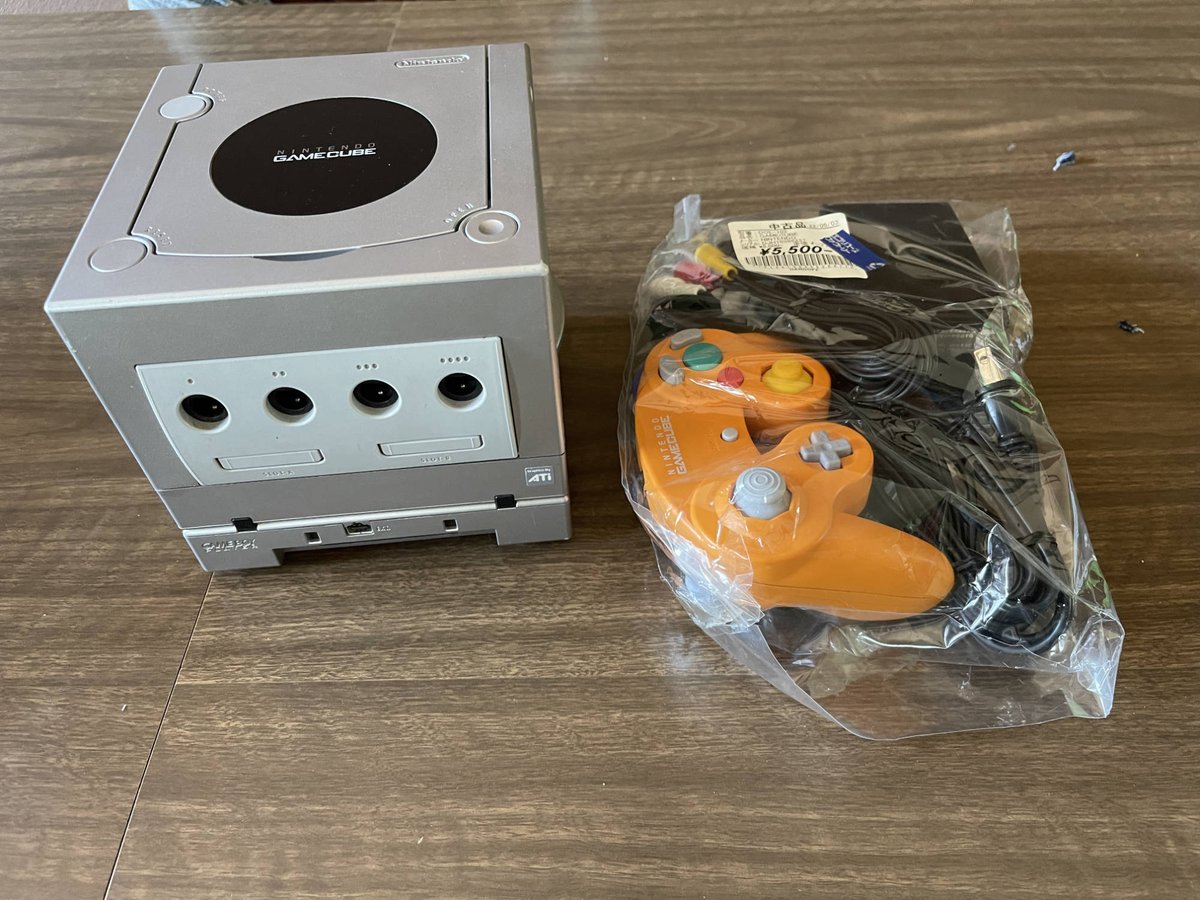
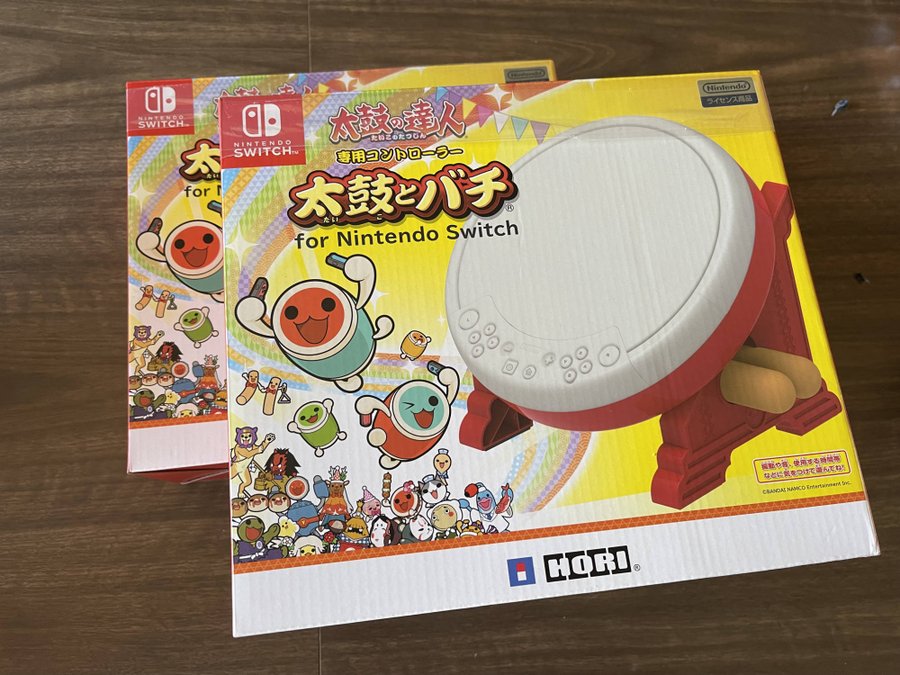
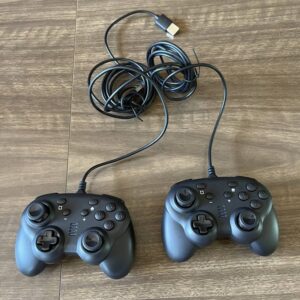
First up is a JPN Game Cube + cords + controller + GBA adapter for $40, which seemed like a good deal. (Also weird deal, as the other GCs had no adapters but were the same price.) Two Taiko no Tatsujin controllers for the Switch, $40 each. Two smaller wired Switch controllers (perfect for the twins), $14 each.

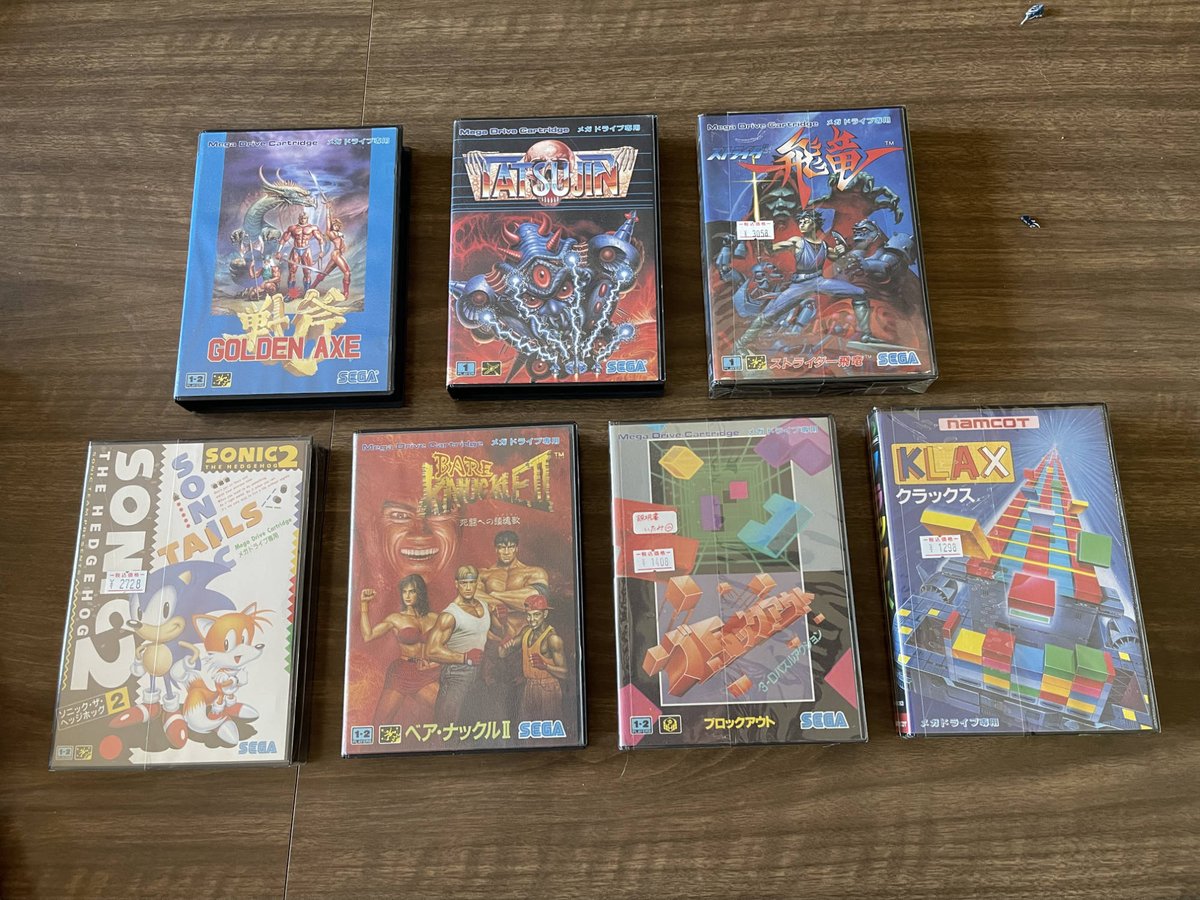
I really wanted to come home with more Mega Drive games, but this was all I could justify. Bare Knuckle II + Tatsujin $24, Strider + Golden Axe $22, Sonic 2 $20, Blockout $10, Klax $9.50.

Famicom: Dr. Mario $2.80, Tennis $1.30, everything else (including second copy of Tennis, whoops) $0.80. Super Fami: Yoshi’s Island $2.80, Mario Kart $0.70, Pilotwings $0.36 (yes really).

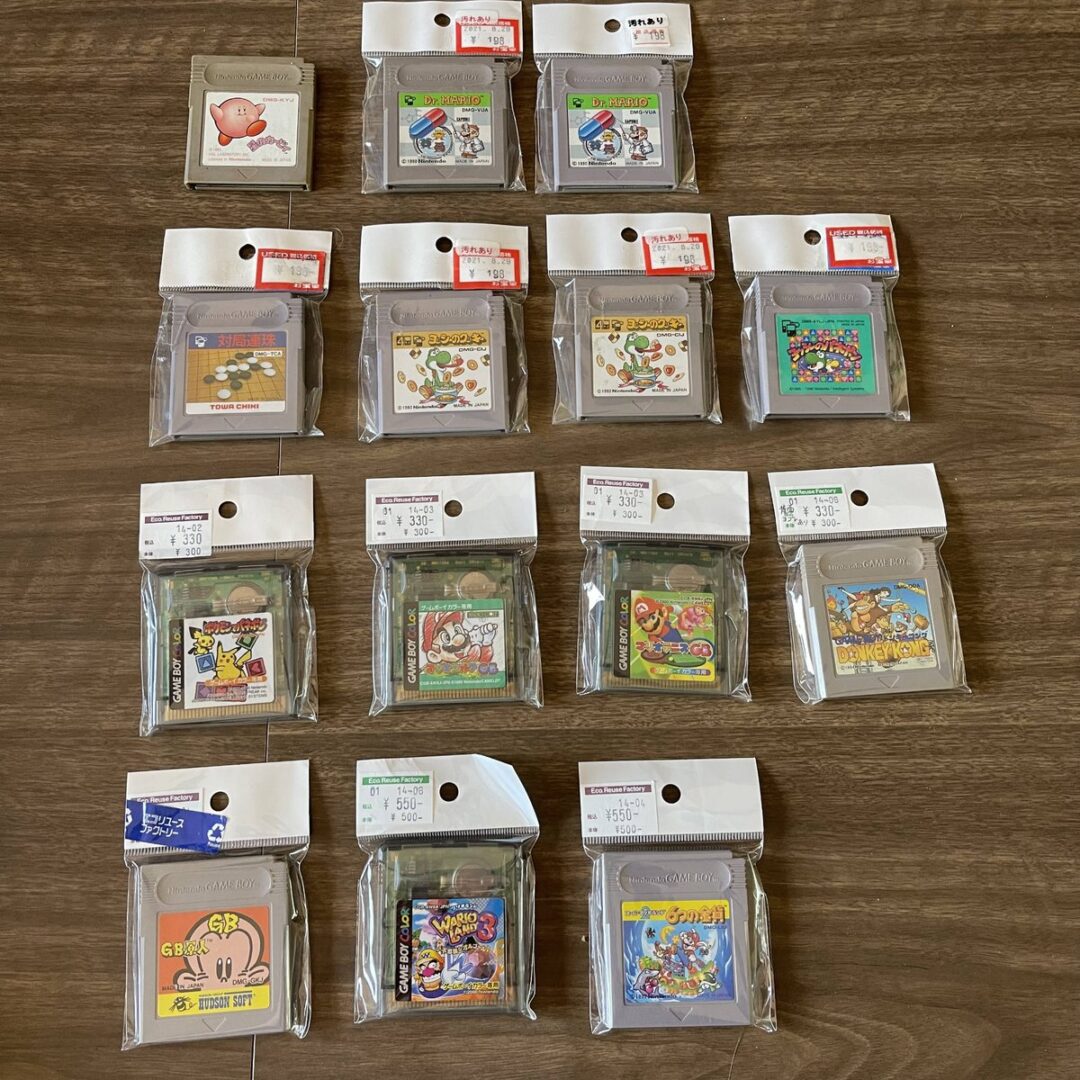
A handful of GB games for the twins + me when my Analogue Pocket arrives Top two rows $1.45 each, third row $2.42 each, last row $4 each.

PSP: Project Diva 2nd $2.90, DJ Max Portable Black Square $4.40, Echocrome $1.30. Switch: Capcom Belt Action Collection (new) $25 NDS: Puzzle Series Vol 13 + Guide to America $1.50 each

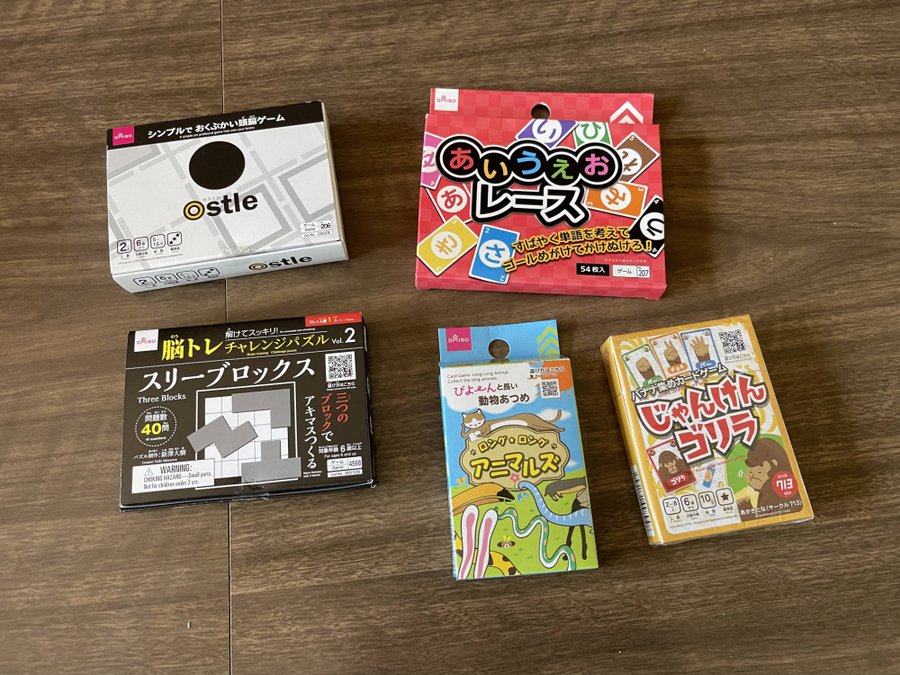
Some various card / puzzle games from the Japanese dollar store (Daiso), $1 each. A few volumes of The World of Golden Eggs on DVD (threw the cases out to save the room), $2 each. Plus, Kato N-Scale two-car train set $40, two extra track sets $4.40 each. I randomly found a Kato N-Scale starter kit at a local Goodwill for $3 late last year, so I got curious and wanted to get a train to try it out.

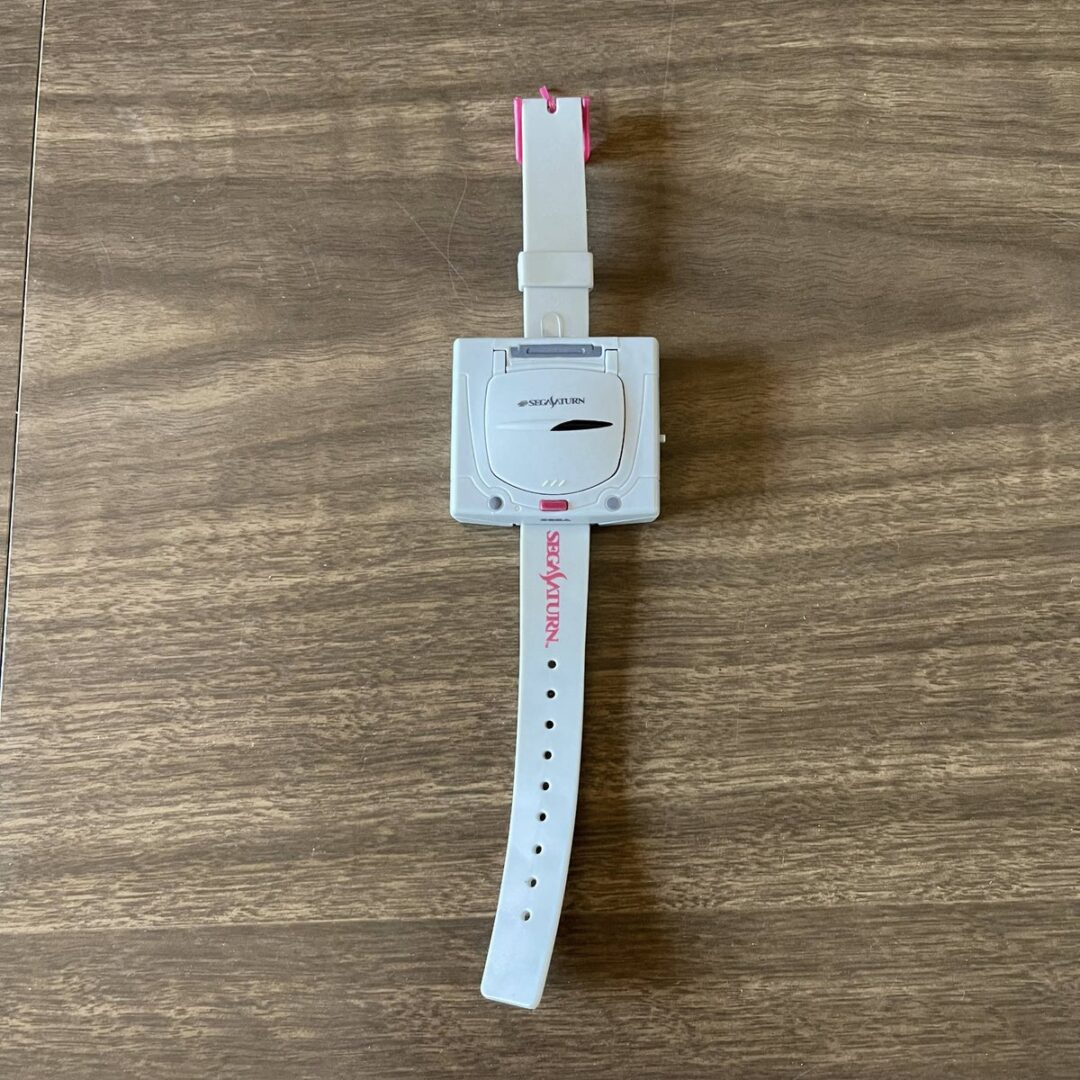
A “junk” Game Boy Color for $14. From looking at it, I think the screen is busted, which is fine since I want to do a modern replacement anyhow. If it works, going to give to the twins. And, last but certainly not least, a sweet Sega Saturn watch from a gachapon machine for $2.20 (aka 300 yen). The machine had both Saturn and PS1 models, and I happen to get the exact one I wanted on my first try.

Pocky & Rocky Reshrined Review

Growing up a Sega kid, I was completely content with the offerings I received on the best console of the 16-bit era, the Genesis. Well—mostly content. Every now and then, a game would hit the Super Nintendo that I desperately also wanted on Sega’s system. Three of the best examples of such games all came from the same company, Natsume1: Wild Guns, The Ninja Warriors Again, and Pocky & Rocky.

It turns out that that trio of games came thanks to a trio of game creators: Shunichi Taniguchi (designer and graphic artist), Toshiyasu Miyabe (director and programmer), and Hiroyuki Iwatsuki (composer and programmer). Now together as part of an internal team known as Tengo Project, the three decided to return to their earlier days of game creation by producing the fantastic retro-styled remakes Wild Guns Reloaded and The Ninja Saviors: Return of the Warriors. Both games revived their predecessors with refreshed visuals, improved gameplay, and other expansions not originally possible on the SNES.

While I was over the moon with both of those releases, deep down in my heart, they were really the appetizers before the main course. To this day, Pocky & Rocky remains a classic and beloved run ’n gun experience that many either wish to replay or experience for the first time (just check out the current going prices for a copy). Giving that game the Tengo Project treatment could really result in something special—and now that said game is in my hands, I can assure you it has.

At first, Pocky & Rocky Reshrined felt like a more polished and expanded re-release of the original 16-bit version. And then I actually went back to play that version again and realized just how massive of an overhaul this is. Reshrined isn’t that original game with some improvements; it’s a total rebuild from the ground up, with an amazing amount of work put into making the game look, sound, and play better than it ever did before.

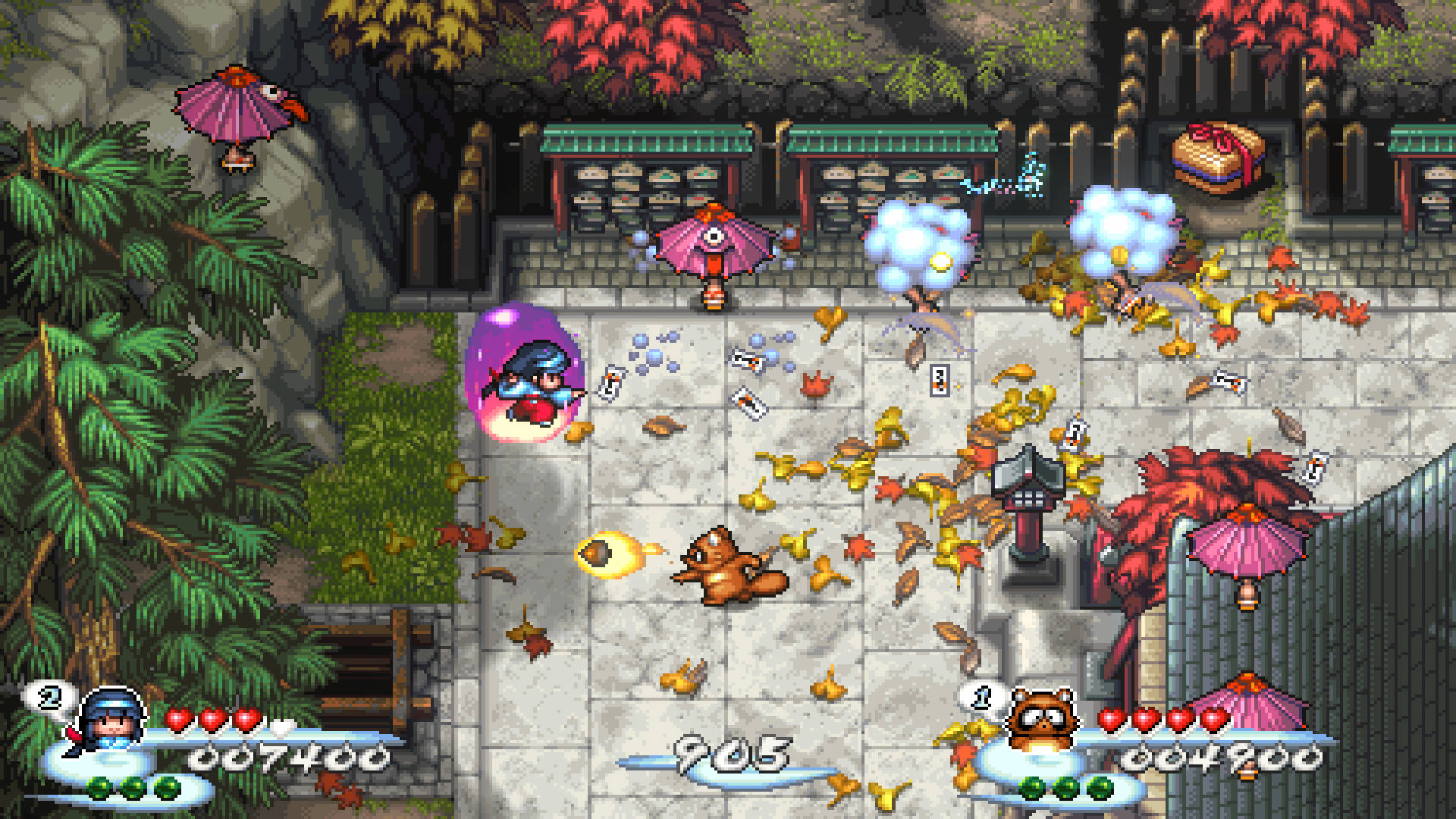
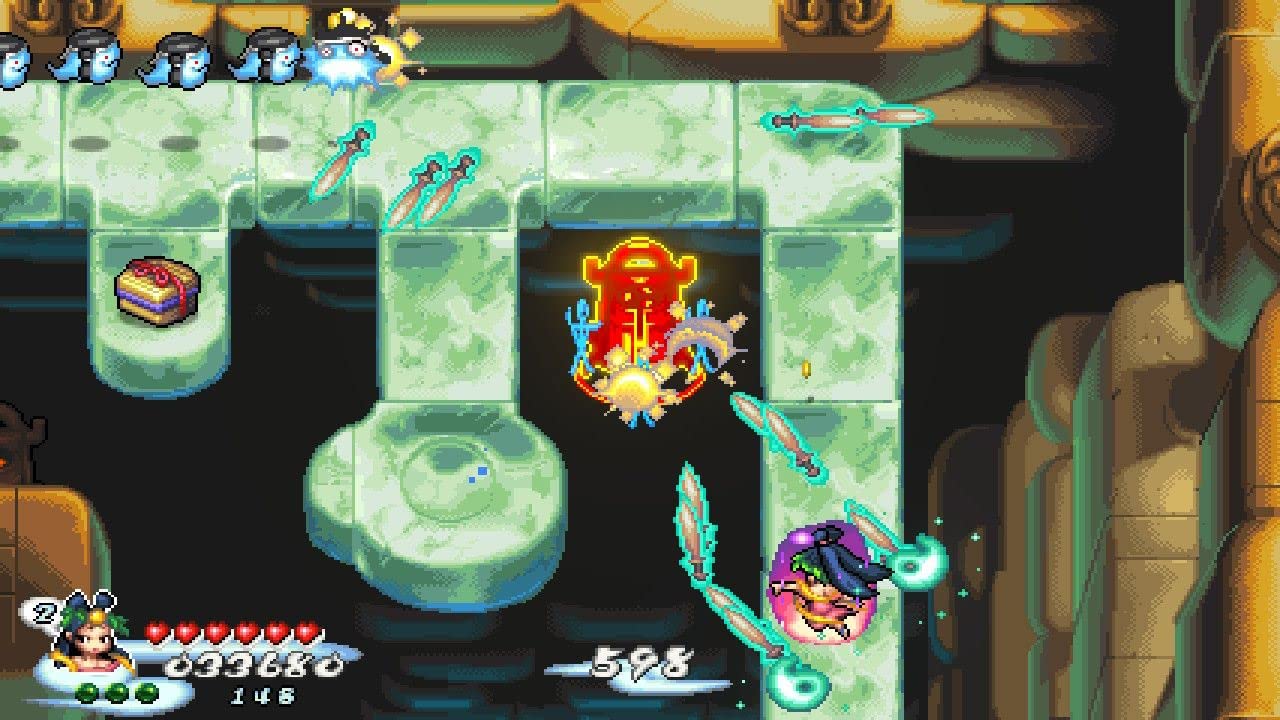
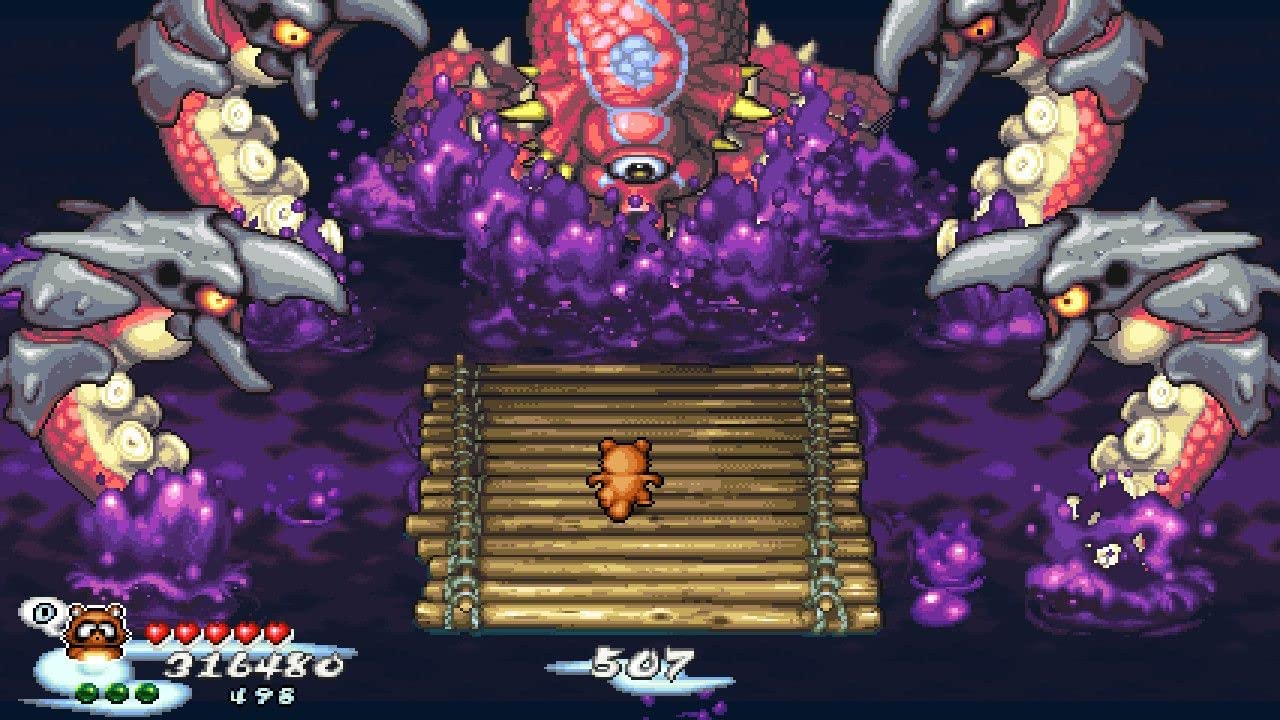
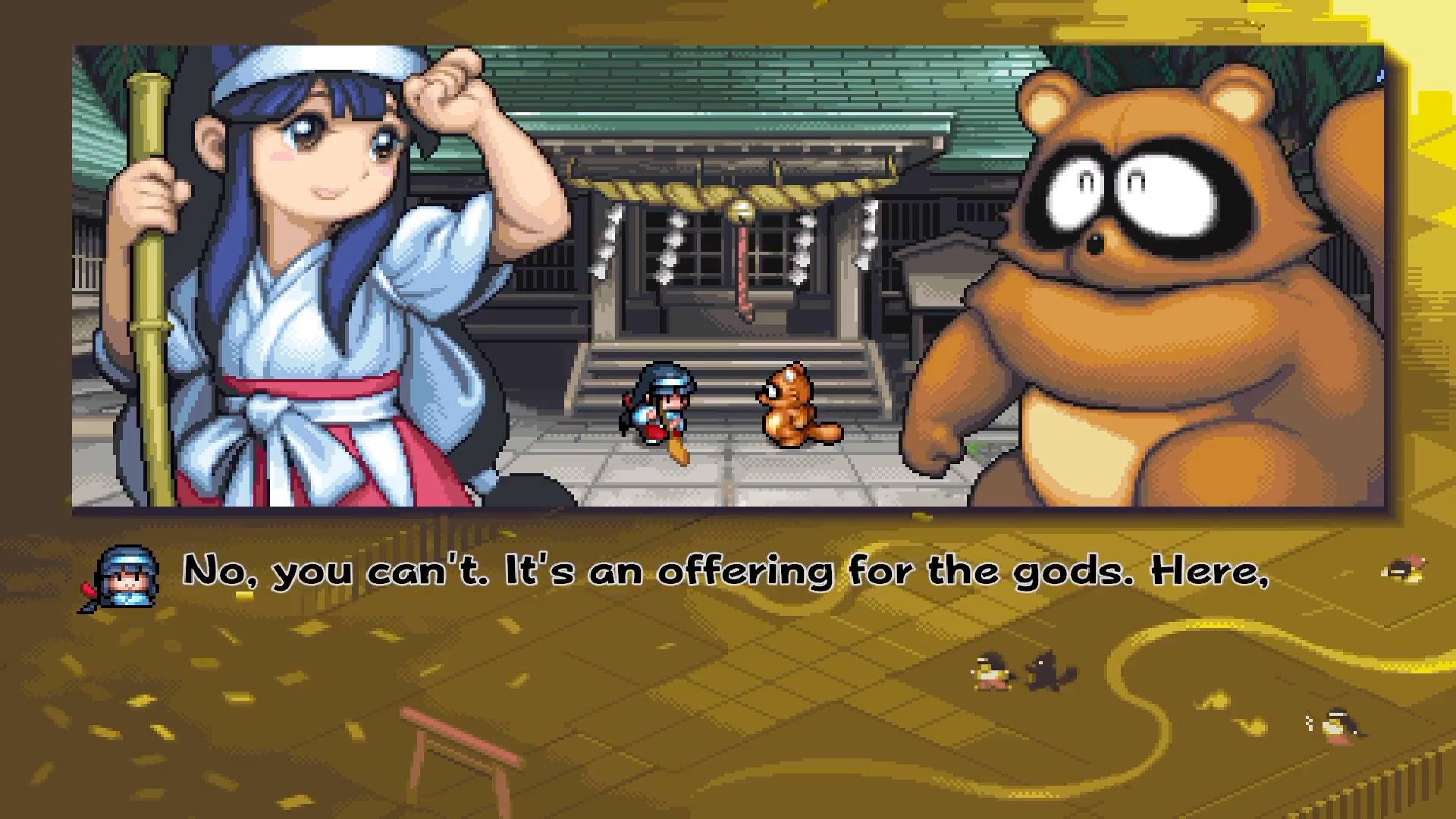
It feels appropriate that I ended up reviewing Pocky & Rocky Reshrined right after TMNT: Shredder’s Revenge, as both are love letters to an era of pixel-crafted graphics that deserves to not be forgotten. Every single screen presented here is dripping with detail, from the first stage’s shrine, which starts off similar to its original self but then comes to life in new and interesting ways, to a fully original late-game area that presents an Edo period city engulfed in flames. We’ve already seen Tengo Project’s skills with sprites in those previous two releases, but this is easily the team’s best visual work. It just looks so good, speaking as someone who still holds a lot of love for the original.

Except, that does cause a problem should you go back to play Pocky & Rocky again at this point as I did, which I almost recommend you don’t do. Even though it’s a great way to appreciate the amount of effort that went into Reshrined, it’ll also kinda break your heart once you take the rose-tinted nostalgia glasses off. Just let this be the way you remember the original. Even if it’s a lie, it’s okay.

At the same time that Pocky & Rocky Reshrined pays sincere homage to its predecessor in its striking visuals and steller remixed soundtrack, it also seeks to both improve the gameplay of the original while also expanding it in all-new ways. We now get a third type of weapon pick-up, a new set of offensive and defensive skills, and three new playable characters, more than doubling the cast.

Having somebody other than Pocky and Rocky in my Pocky & Rocky game isn’t always an appealing offer—the last time we got that, it resulted in that idiot Becky—but I think all three of the new additions here genuinely bring something worthwhile to the game. The Shinto goddess Ame-no-Uzume sports classic shooter-style Options, the “what if Pocky was a furry” Ikazuchi unleashes powerful lightning-based attacks, and the undead samurai Hotaru Gozen is a melee character. Introducing a more close-range character in a series all about running and gunning seemed almost a bit blasphemous to me at first, but she might actually now be my favorite of the newcomers.

There isn’t a bad pick in the bunch, and the expanded cast of characters brings new ways to approach the game while also adding much more variety to replays and 1CC runs. The new heroes also ended up changing my mind on something that I originally saw as a negative about the game: that you can’t even access the Arcade mode until you’ve gone through the Story mode. At first, I didn’t like not having a choice of which to focus on, but the campaign undeniably does a great job of introducing you to all five of the heroes and what they offer. I still might prefer to make that choice for myself, but I now understand why the team did what they did, and I can’t necessarily argue with their decision.

Beyond those and numerous other gameplay revisions, Reshrined also makes some serious shifts to Pocky & Rocky’s original stages. Some, like the opening stage I mentioned before, are moderate tweaks to their original selves. Other stages have undergone far more drastic reworkings or are gone altogether, making way for all-new locations and challenges that are almost always better than what they replaced. On paper, Reshrined only has two more stages than the original did, but in practice, the game feels and plays quite a bit longer than before. As well, all of those levels feature enemies and bosses that have either had their attacks and patterns tweaked, or who are brand new, which results in a great balance of familiarity and a fresh challenge, even for longtime fans.

It’s hard not to gush over Pocky & Rocky Reshrined, so let me admit that I experienced two negatives during my time with the game. As you may have heard others say, yes, this version does play at a bit slower pace than what we had on the SNES. To be clear, Reshrined does not feel slow, as this is how it is meant to be—it just isn’t quite as frantic as Pocky & Rocky was. Well, actually, the game did feel slow on rare occasions, but that’s due more to some slowdown that the Switch version seems to suffer from. The slowdown is minor, brief, and not much of a factor, but if the idea of any slowdown bothers you at all and you’re trying to pick which platform to go for, I’ve heard that the PlayStation 4 version is the way to go.

In the end, all of the love, care, and effort that Tengo Project has put into Pocky & Rocky Reshrined has resulted in an experience that both pays tribute to its original 16-bit incarnation while also not being afraid to become its own game. As much as I fell in love with Pocky & Rocky so many years ago, and still hold it fondly in my heart, it’s hard not to consider Reshrined to be its superior in nearly every way possible.

And yet, in this moment, my joy mixes with sadness knowing that the men at the core of Tengo Project have now finished their journey in reviving the three games that made them most famous during their early days at Natsume. Sure, they could maybe also tackle the inferior Pocky & Rocky 2, but I’d rather see them take on something a bit more ambitious. Maybe something from an earlier era. Maybe something with the words “Shadow of the Ninja” in its title.

1: In the interest of not getting too in the weeds in this text of this review, I’ve avoided directly referencing the complexities of Natsume as a company. In general, at this point, Natsume Co., Ltd. would be the part of pre-split Natsume that worked on the development of the games mentioned in this review, while Natsume Inc. is the part of pre-split Natsume that published those games in the West.

Teenage Mutant Ninja Turtles: Shredder’s Revenge Review

In the history of our hobby, there have been loads of legendary side-scrolling beat ’em ups, offering players the chance to team up and punch a bunch of fools in a quest to save a city, a girl, a president, or some combination of those things. If there’s one name that stands above the rest in the hearts and minds of players, however, it’s got to be Teenage Mutant Ninja Turtles. Now, it isn’t that any of Konami’s TMNT games were necessarily the best of the best of the genre, but they almost always had a great balance of fun characters, exciting stages, and satisfying difficulty levels.

As we’ve seen names such as Double Dragon, Kunio-kun, and Streets of Rage make modernized returns in recent years, the idea wasn’t so much if we’d get a new TMNT beat ‘em up, but when we’d get one—and how much it’d cost for the license.

Even as only a casual fan of the universe that oozed out from the minds of Kevin Eastman and Peter Laird, I’d still found myself getting really excited for the release of Teenage Mutant Ninja Turtles: Shredder’s Revenge. From everything we’d seen up until this point, it looked as if the game would have stunning graphics, great gameplay, and a rockin’ soundtrack.

Well, as another classic pop cultural icon, Meat Loaf, once sang: Now don’t be sad, ’cause two out of three ain’t bad.

There really is nowhere else I can start when talking about Shredder’s Revenge other than its visuals, because they’re the first thing you’ll notice and are by far the game’s best feature. Based upon the work of amazing pixel artist Paul Robertson, every character in the game—from the teen turtles themselves, to their allies, to the Foot soldiers and various other baddies—come to life in a way that is just a joy to witness. Everyone looks colorful and cartoony but never silly, each of the turtles (not to mention the rest of the cast) have their own unique animations. There’s an artistic consistency to everything that can actually be hard for sprite-based games to achieve.

As well, the various stages do a great job of showcasing just how gorgeous of a game this is. While I don’t think they’re quite on the level of what we saw in Scott Pilgrim vs. The World: The Game (which key members of Tribute Games worked on before leaving Ubisoft) in terms of little details, they still stand as fantastic examples of just how good 2D games can look. Even though the adventure (mostly) takes place across Manhattan, there’s a nice amount of variety in the locations you’ll be visiting, keeping things feeling fresh for most of the way through.

That variety is also seen in the gameplay of Shredder’s Revenge, which finds a satisfying balance between offering depth without being too overwhelming. Just for a little context, I booted up Teenage Mutant Ninja Turtles: The Hyperstone Heist on Genesis while working on this review, and very quickly realized how repetitive those older games in the franchise can now feel. Here, you’ve got standard combos, a variety of throws and jump attacks, rolls (which can combo into attacks), and a number of different super abilities you can unleash if you’ve got enough Ninja Power. While all of the selectable characters—Leonardo, Donatello, Raphael, Michelangelo, Splinter, April O’Neil, and the unlockable Casey Jones—all play the same in theory, each feels different not only in their stats, but also in variables such as timing, reach, or those super abilities. There really isn’t a bad character of the bunch, so even if you’ve got a full team of six players all jumping into the game, you won’t have to feel like you’re getting stuck with a garbage pick.

Of course, none of that means much if there isn’t a roster of enemies to provide both variety and challenge, and Shredder’s Revenge is also pretty solid in that regard. Early on, I was feeling like the game was a little too easy, but some of the later enemies are serious pricks. The dev team never relied on any of the presented enemy types too often, meaning every stage introduces a new style of threat or mixes things up in some other way. The only real complaint I have in this area is that the bosses are slightly disappointing in terms of complexity and difficulty. Maybe playing so much Elden Ring in recent months has me in the mindset that every boss should fight like it’s an end boss, but I think the selection we get here tends to lean too far toward quantity and not enough toward quality.

So, given I’m smitten with Teenage Mutant Ninja Turtles: Shredder’s Revenge’s visuals, and have mostly good things to say about its gameplay, that means my disappointment must lie in its final area: audio.

I’m not hot on the game’s soundtrack. Now, as someone who loved the work of Tee Lopes in Sonic Mania, I feel a little surprised to say that. However, the problem with Shredder’s Revenge goes deeper than just its music. All of the audio in this game is disappointing, to a degree that’s a little baffling. Some of the voice acting sounds really off. Attacks often lack that satisfying oomph when hitting an opponent. Explosions sound anemic. A few of the sound effects are just outright terrible. Sometimes, you’d think a certain action or object should have an audio cue associated with it, and there’s nothing. While the audio in Shredder’s Revenge is by far its weakest element, it’s also the game’s least importantelement if we’re being honest. (Back in the arcades, we could never even hear the audio anyhow.) Still—and I’m perfectly willing to recognize that many of you might disagree with me on all of this—I’m disappointed with what the game has to offer our ears.
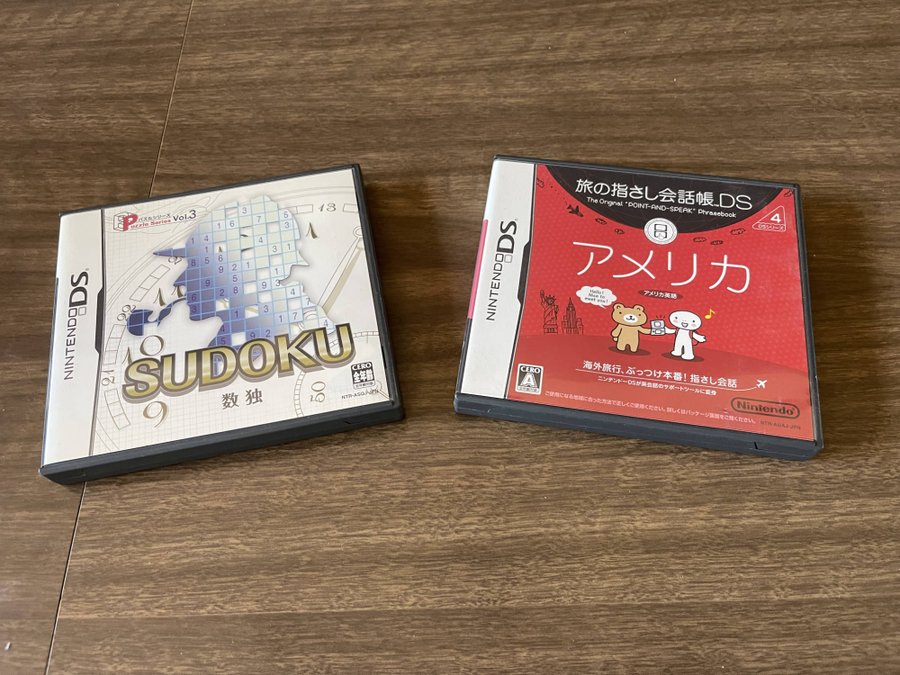
Part of the problem, I think, is that Shredder’s Revenge suffers the same fate that many Sega CD and Turbo-CD games did. Back when the CD was first introduced as a storage medium for video games, you’d have releases that would combine 16-bit visuals with far superior audio. Sometimes, that would result in a Dracula-X, or an Ys Book I & II, or a Lord of Thunder, where the three core pillars of the game gelled together wonderfully. Far more often, unfortunately, you’d have games that looked and played decidedly 16-bit, with music that sounded like it belonged to some completely different game. Given how much work has gone into making its overall style look and feel retro, the audio in Shredder’s Revenge is too modern on a technical level—and in certain cases, even directly clashes with what we’re seeing and playing. I’d love to see Tribute Games release a free (or even paid) DLC which gives us music and sound effects crafted to evoke that similar retro nostalgia as an option.

And, when they’re giving us that patch, the team could also fix the game’s misguided Arcade mode.

TMNT: Shredder’s Revenge offers two main modes of play: Story, and Arcade. In Story, you travel across an overworld map from one narrative beat to the next. Each point you open up is a new stage, and when not progressing the story, you can travel back to previous stages in order to complete a handful of side missions. The Story mode is playable solo or with up to five other people either locally or online, you can individually level characters to unlock new skills, and you can save and quit whenever you’d like. When playing Shredder’s Revenge for the purposes of this review, my first focus was on Story mode, and I came away from it with very positive opinions on the game.
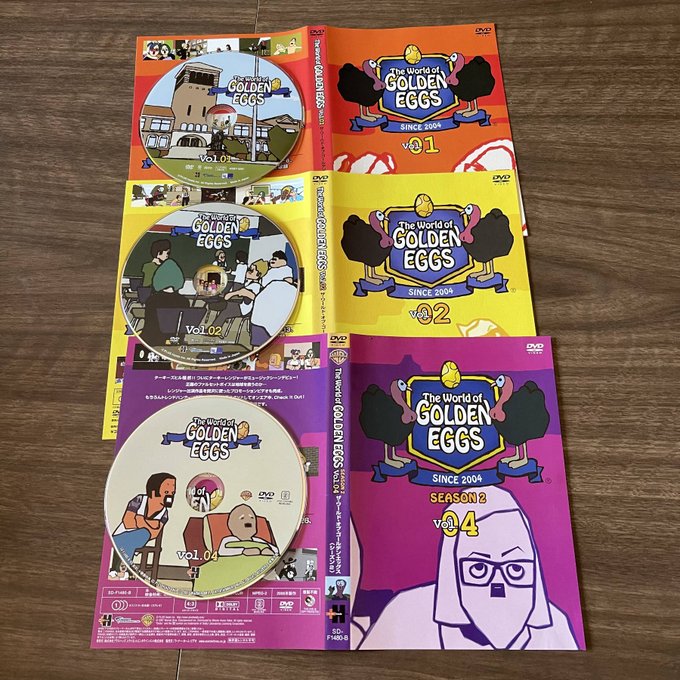
Arcade is the other mode we’re presented here, and I simply do not understand what Tribute Games was thinking there. When you give me a beat ’em up with an “arcade” mode, I expect a fun yet not incredibly deep experience, where I’ll probably play six to eight stages, taking maybe 30 to 40 minutes to complete. Instead, this Arcade mode takes us through the entirety of Story mode’s 16 stages (which average between 5 to 10 minutes to complete), one after the other, without the option to save or even the ability to select a new character after you die when playing solo. Sixteen stages, taking just under two hours to beat, is not an arcade mode.

I completely understand the developers wanting to make a big, beefy experience that would both satisfy players and stand as a memorable new entry in the series, but you can’t just line up all of those stages in a row and call it an “arcade” mode. How many people are going to want to sit down with friends and family and spend that much time to get through the game in one go? I feel very confident that most people will play a handful of stages, and then just quit, never seeing a decent chunk of what awaits later in the game.

The good news is, there’s a relatively easy fix to this, one that Tribute Games can still implement after the fact. Countless other beat ’em ups over the years have featured branching paths, and that’s all we need here. Use that large amount of stages to provide numerous ways to get to the end, resulting in a shorter, tighter game that then offers much more variety every time you play. While the stages presented in Shredder’s Revenge weren’t crafted specifically with the idea of branching paths in mind, they also aren’t that reliant on you going through every one of them. In fact, there’s even a three-stage chunk of the Story mode that could easily split off into its own path. Given that section of the game, some of the deeper cuts the dev team made for bosses, and a few other specific elements found throughout the game, I do actually wonder if the idea of branching paths in the Arcade mode existed at one point before getting scrapped.

Teenage Mutant Ninja Turtles: Shredder’s Revenge is not the game I was hoping it would be—but transforming it into that game would entirely be possible without any huge reworkings to what Tribute Games has given us. However, what they have given us is what matters at the end of the day, and even with my misgivings, there’s still a pretty darn good game here. The Arcade mode’s length could absolutely be a deal breaker for some, but if it isn’t for you, then there’s an enjoyable, beautiful new beat ‘em up experience waiting for you here. Dig deep into the Story mode, marathon the Arcade mode now and then when you’re up for the challenge, and enjoy the care and attention that went into giving the heroes in a half shell a worthy new adventure, pimples and all.

It’s like getting a hot, cheezy, crisp-crusted pizza delivered to your door—and then realizing someone ordered it with pineapple and black olives as two of the toppings.