My Favorite Games of 2018

In the world of video games, there are good years, there are bad years, and then there are those years when you’re not really sure which way to lean. 2018 was certainly the latter, as numerous games came out over the course of year that I enjoyed, but there were very few of the heavy-hitter, “this game is absolutely in my top five” titles like there had been in the previous two years.

Yeah, I know, there was some fantastic triple-A offerings as is evident from our top 25 list, but as I’ve said before, that’s not the kind of stuff that wins me over at the end of the day. So, when looking at the games that do grab my attention—those games that make it our way from Japan, the unique indie titles, the niche releases, and others—here are the five that left the biggest impact on me in 2018.
05 SNK 40th Anniversary Collection

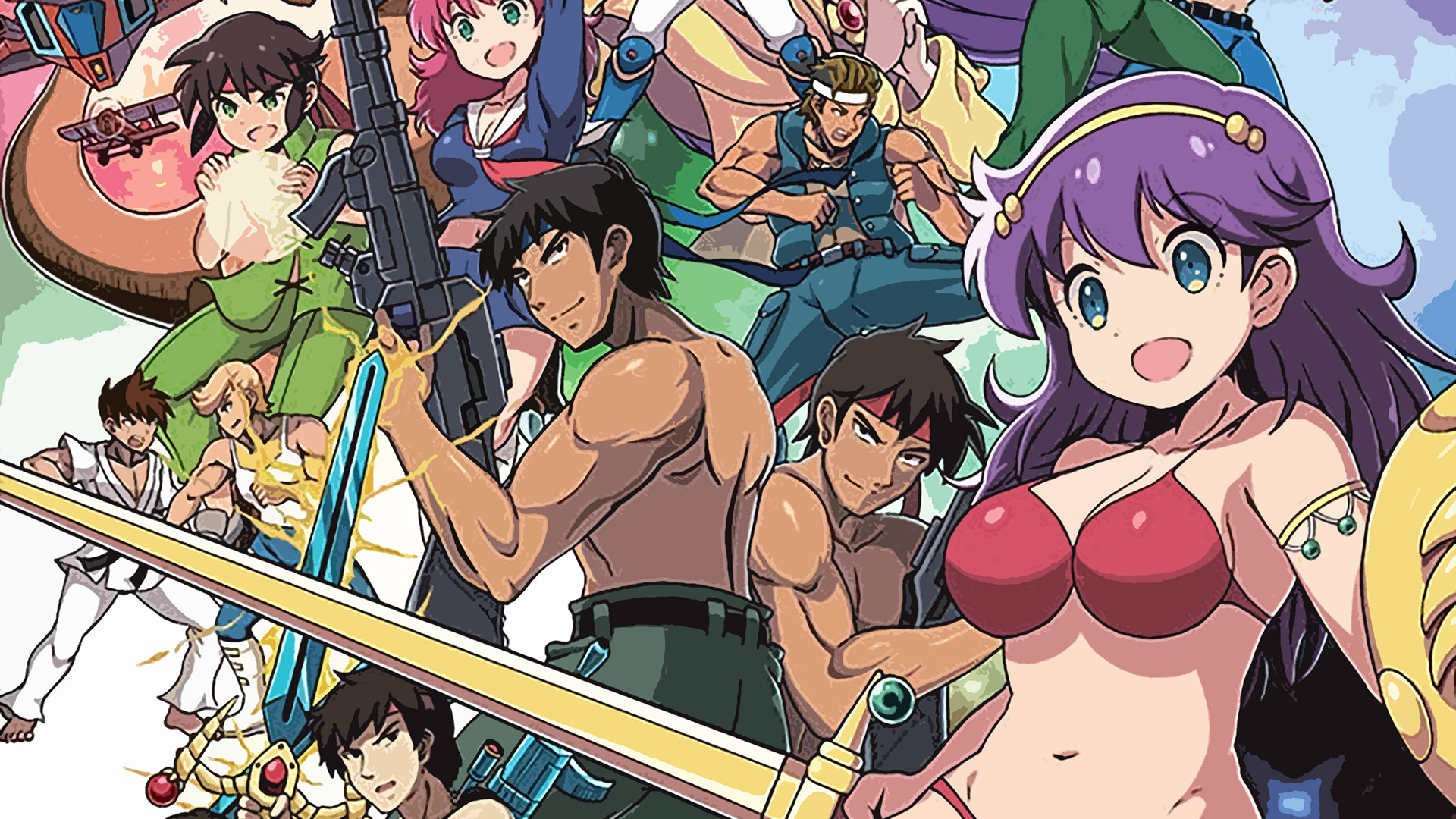
When putting together our best of the year lists, we here at EGM tend to have a rule about remakes or retro compilations: don’t include them. Especially these days, with the crazy number of games released month after month, those honors should go to the titles that strive to add something new to our hobby, instead of ones that already had that chance years before. And yet, in a year filled with some great re-releases or remasters, one stood out to me enough that I simply had to give it credit: SNK 40th Anniversary Collection. It’s not just the look back at SNK’s pre-NeoGeo era of game development that I enjoyed, it’s the copious amount of time, care, and love that were obviously put into the release. Far beyond just a few ROMs slapped onto a cartridge, SNK 40th is a celebration of a company’s legacy, and a chance to experience all of that history in ways that do honor to every included title.
04 Yakuza 6: The Song of Life

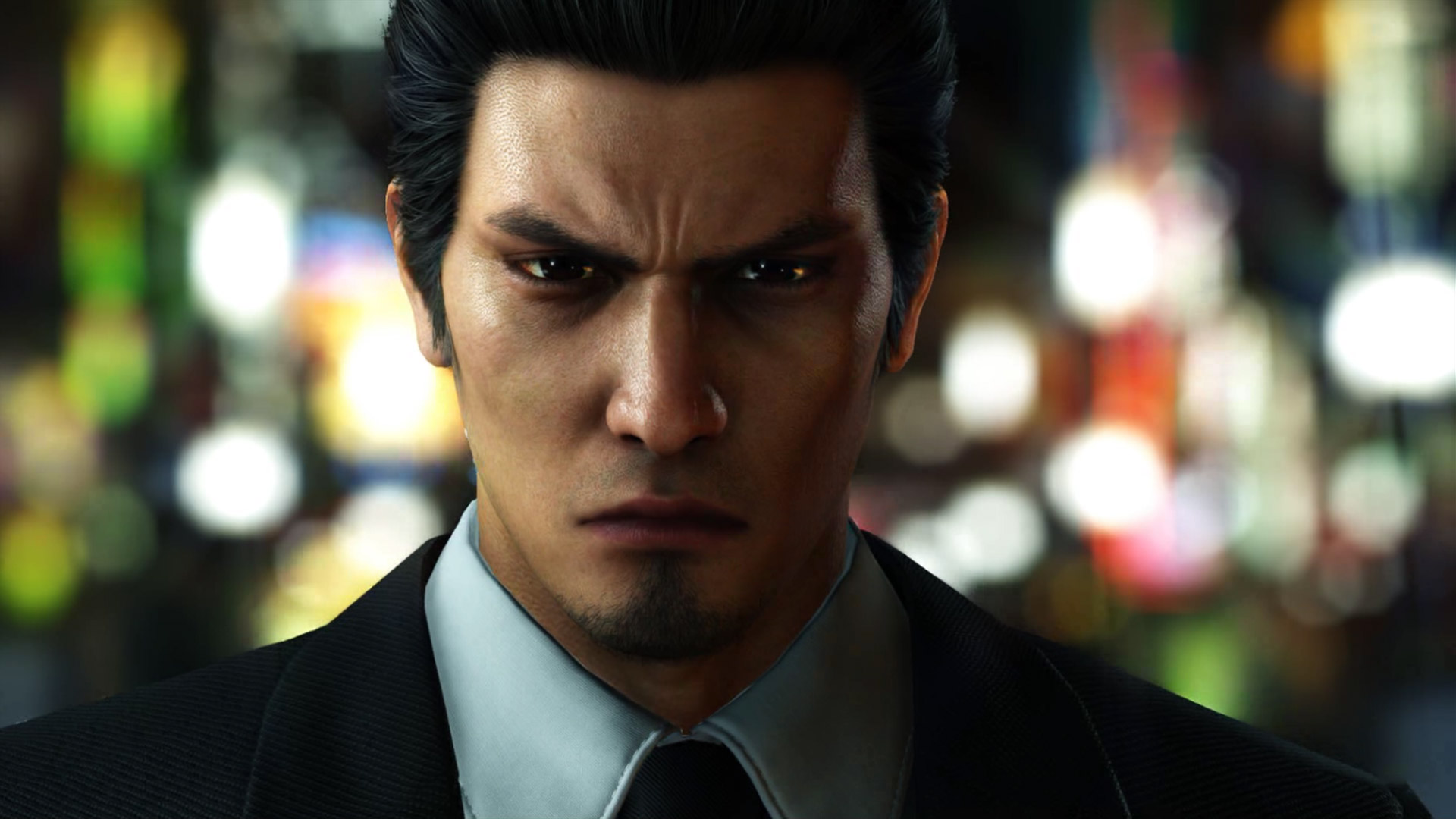
This year, I made up for one of my long-running shames: I finally played a Yakuza game. While many would argue that jumping into the final chapter of the saga is the worst decision one could make, getting my proper introduction to Kazuma Kiryu via Yakuza 6 was actually pretty interesting. Instead of seeing a young upstart trying to climb the ladder of Tokyo’s underworld, I was introduced to a legend wondering if he even has a place in the world anymore. After all of the mythical stories I’d heard of Kiryu’s life and adventures, seeing him as an older, retired man now almost separated from those stories made him more human and relatable. Combine that with all of the glorious drama, side characters, gameplay ideas, and burning masculinity that the Yakuza team is notorious for, and I got to have a heck of a good time while also checking another item off of my list of shame.

03 Gris

Two weeks ago, I was certain that this spot was going to be going to a different game. The amazing Tetris Effect, perhaps. Swery’s heartfelt The Missing was a serious contender. Maybe even the why-did-it-take-so-long-for-me-to-play-this 428: Shibuya Scramble. And then, right as we were finalizing out top 25 games of the year, I tried Nomada Studios’ Gris—and I fell in love. Gris initially grabbed me with its utterly striking visuals, which are some of the most beautiful I’ve seen in a game in my seven years here at EGM. (As someone who grew up in the 2D era, a younger me never could have believed that games could look like this.) And yet, Gris’ beauty isn’t just skin deep. While it certainly is more of an “experience” platformer than a challenging one, there wasn’t even a single moment where I wasn’t loving the world I was exploring, or enjoying the challenges that did exist, or simply taking in the creativity blossoming around every corner. Gris, more than anything else, simply made me happy—and that was all I could ask for. If Celeste is the platformer that pushes you to your limits and tests what kind of gamer you are, Gris is its equally wonderful yet totally different sibling.
02 State of Decay 2

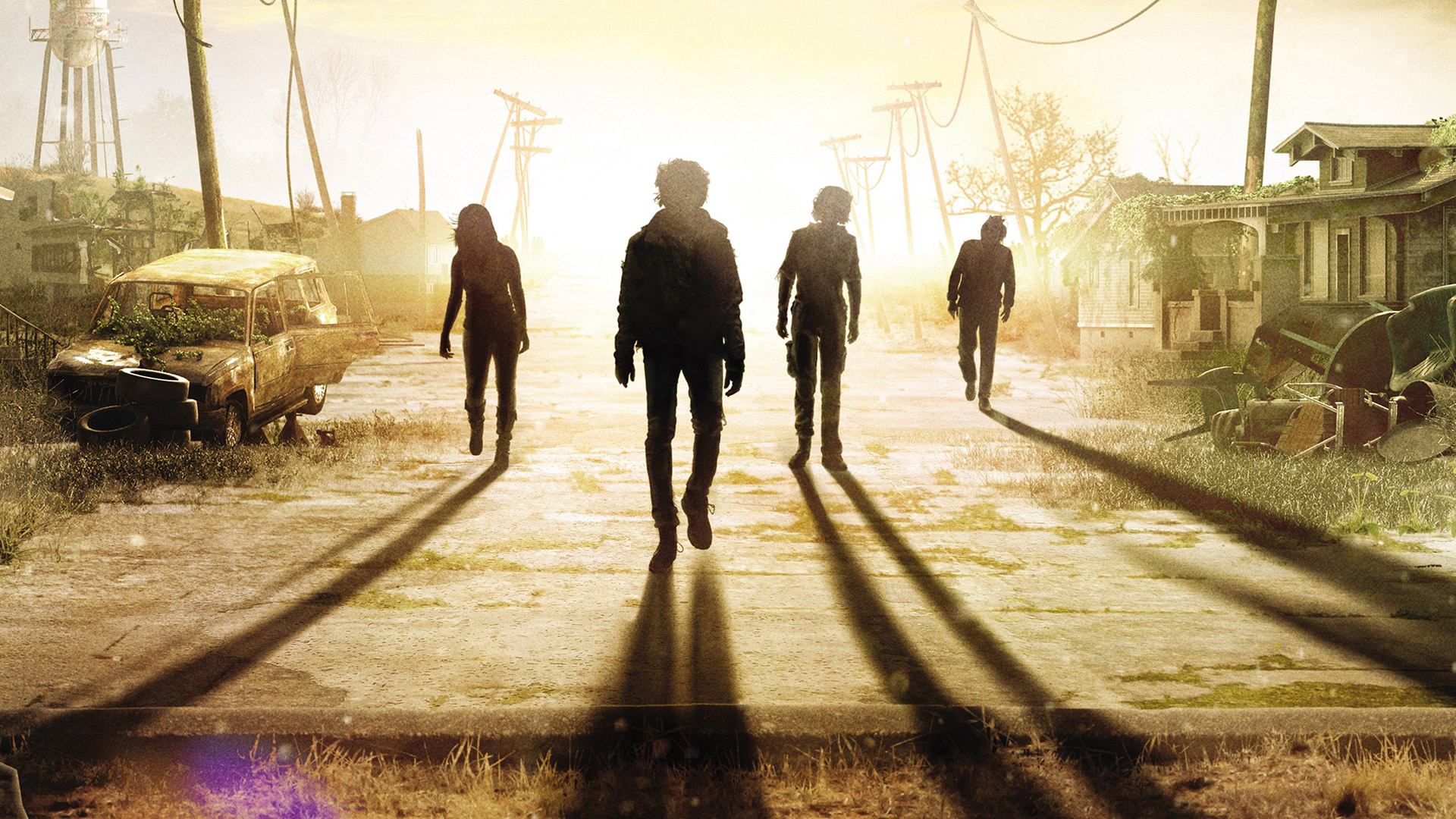
I could present a list a mile long of the things I hate about State of Decay 2. There’s the boring maps, the blatant reuse of previous assets, the puddle-deep relationship system, the ridiculousness of giving plague zombies the ability to infect you when regular zombies don’t have said ability, on and on and on. So why is a game that frustrates me so damned much so high up on my list? Because Undead Labs is the only developer actually attempting to give me what I want. Even with every one of its faults, State of Decay 2 still provides a proper zombie survival experience, something absolutely no other game or developer is offering. Until my dream zombie game finally exists, I have to make do with what I’ve got, so I’ve got a lot of love for the team at Undead Labs and its game for at least making an attempt. Just, seriously—work on the core mechanics and relationship possibilities in the next game, versus spending too much time on features that work best as back-of-the-box bullet points.

01 Fire Pro Wrestling World

In my time working at EGM, I’m not sure if there’s ever been a game that had an easier time slipping into my #1 spot for a given year than Fire Pro Wrestling World. Having waited nearly 11 years since the last proper chapter of the series, all World had to be was a standard Fire Pro Wrestling game released on the current generation of consoles with an upgrade or two. That’s exactly what we got—but the execution is far more exciting than it may first sound. While some of the upgrades here are indeed small, they go a long way, in part because the core of Fire Pro Wrestling has already been so strong for years. While Aki’s 3D efforts to capture the spirit of professional wrestling have sadly been lost to time, Spike Chunsoft showed us that Fire Pro Wrestling is still as alive and healthy as ever, and I couldn’t be happier.

EX My Biggest Non-Shame of 2018
I love playing Fortnite

My most-played game in 2018 wasn’t even a game from 2018—it was Epic’s now monstrous Fortnite, which I ended up getting into right around the start of Season 5. While saying that you play X or Y game usually isn’t that big of a deal, I’ve seen a growing hatred against Fortnite as I’ve come to play it more. Popular games receiving backlash isn’t anything new, but some of the hate here feels especially venomous, including the popular insult that it’s a game only for little kids. First of all, it’s definitely not, but even if it was, so what? Kids deserve to have great games to play just as much as anyone else, and all of us were children at some point. Calm down, take a moment to think about the stupidity behind your hatred, and just let others enjoy the games they enjoy in peace. If you can’t, then have fun going away and finding a new hobby—because we don’t want you.

EX The “I Love You, I Hate You” Award
Guest characters

For a good chunk of my life, I’ve loathed guest characters in fighting games. For me, every game in the genre is its own established, carefully created universe, so suddenly tossing some outsider character into the mix that in no way fits the lore was as far from “cool” as possible. Link in Soulcalibur II? Yuck. Mother-effin Darth Vader and Yoda in Soulcalibur IV? UGH. And then, suddenly, I could feel a change inside of me beginning in the middle of last year. It started with The King of Fighters’ Geese Howard showing up in Tekken 7—but, I mean, he’s a fighting game character too, so it made some sense. However, when Final Fantasy XV’s Noctis also hopped aboard the Tekken train, the usual disdain I’d feel was replaced by amused curiosity. The shift was complete this year when I found myself actually rooting for the idea of NieR: Automata’s 2B showing up in Soulcalibur VI—and then being super hyped when she actually was. I still kind of hate the idea for particular franchises or situations, but I now feel legitimate excitement for the prospect of other potential cameos. Next stop: Kazuma Kiryu in Tekken 7 in 2019 dammit!
EX The “Alright, Fine, Now It’s Dead” Award
PlayStation Vita

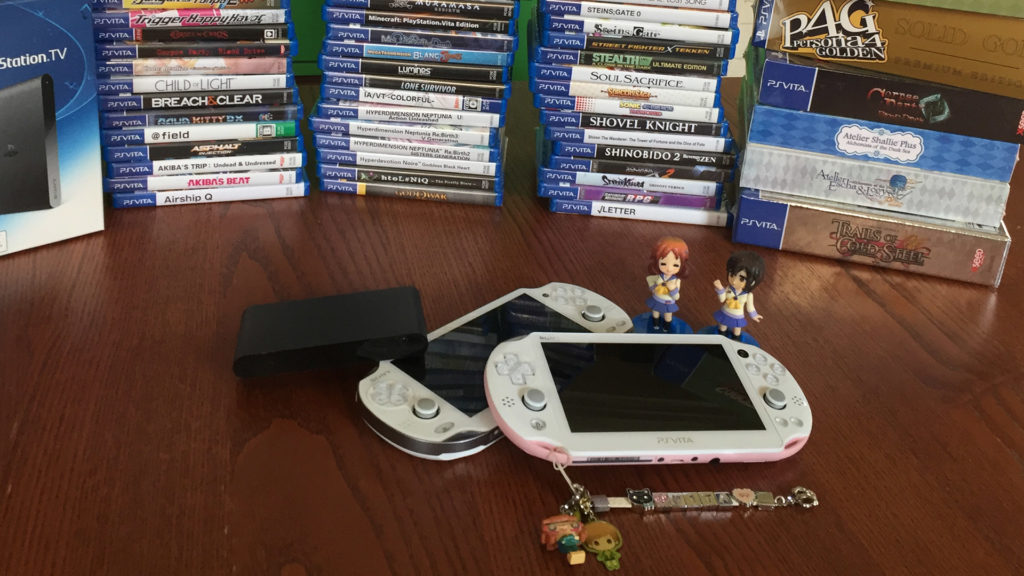
For the last two years, I’ve argued how the PlayStation Vita wasn’t dead yet, despise the countless people out there wanting to see it buried and gone as soon as possible. This time, however, my protests and arguments have come to an end. While the Vita actually isn’t technically dead—it still has a handful of games coming in 2019—the party is clearly beginning to wrap up. What’s helping me move on is that, on a personal level, I’ve finally become okay with the idea of the Switch taking its place. I still think Nintendo’s hybrid is too big, bulky, and heavy as a portable for my liking, but I’ve mostly come to terms with those objections. I will say, however, that there was one way in particular in which the Vita was alive and well this year, and will still be in the next: in its PlayStation TV incarnation. Link your PSN account, download some PS1 games, attach a DualShock 4, and you end up with a far better PlayStation Classic than the actual PlayStation Classic could ever be.
My Journey into the Sideways World of Tate Gaming

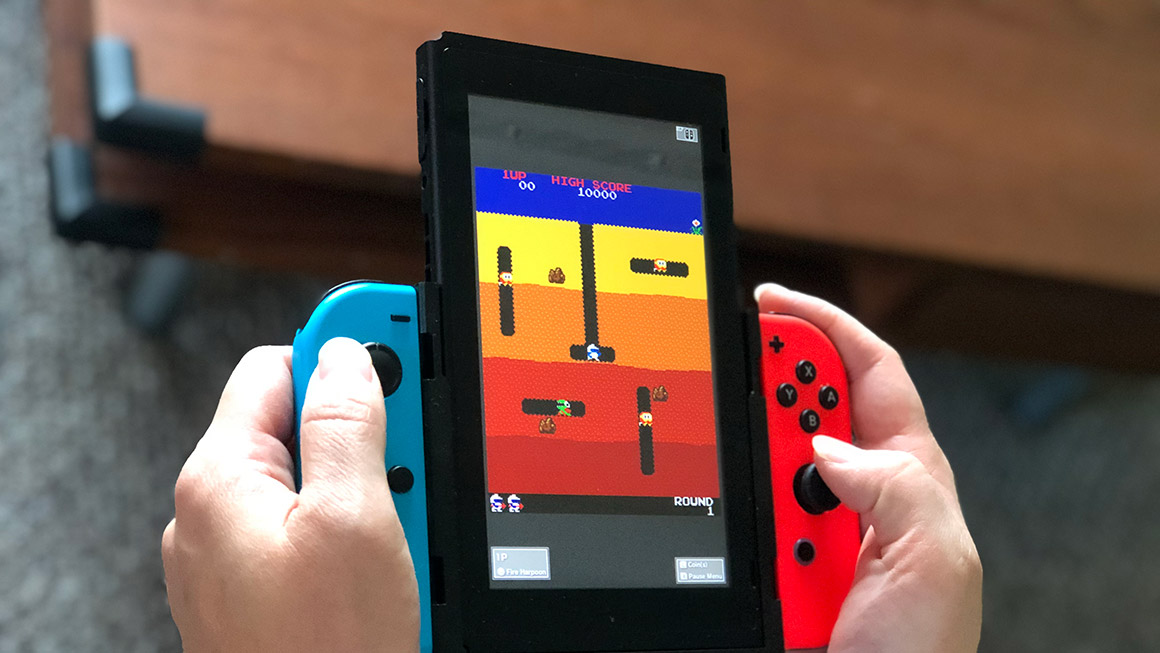
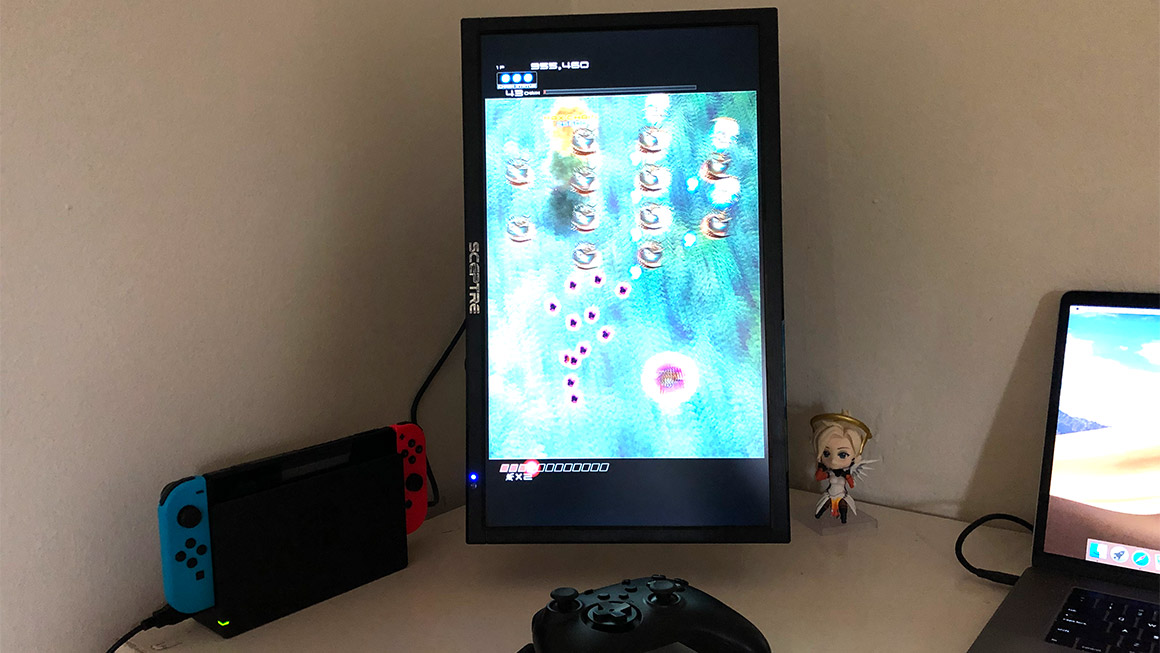
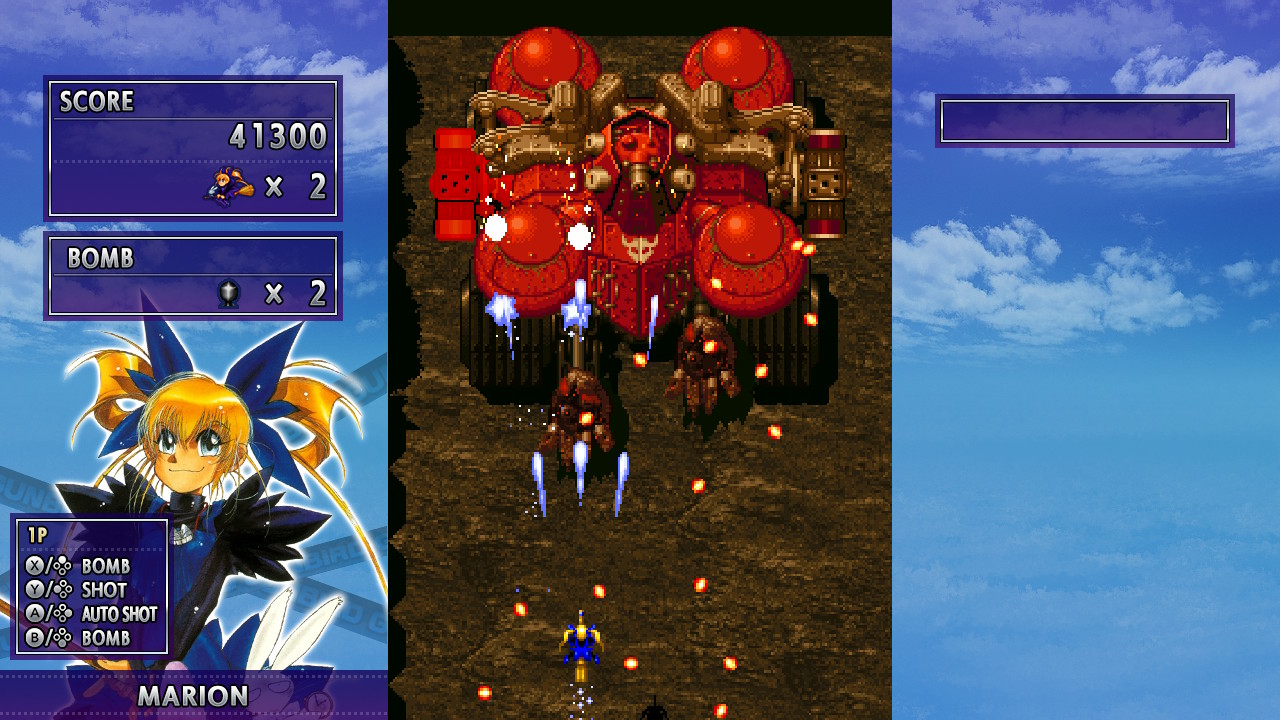
Tate is a term you may have heard before in gaming circles, but maybe never really understood what it means. Coming from the active form of the Japanese word tatsu(to stand), tate is now used to refer to the act of turning a television or monitor to sit vertically instead of horizontally, and then playing games that way.

Why would you do that, though? Well, back in the heyday of arcades, there was no hard and fast rule saying which way games had to be orientated—especially since there were few concerns for releasing home ports. So, everything from Pac-Manto Contraand more used vertically oriented displays, with the importance placed on seeing what was above or below your character instead of to the left or right of them.

A problem would then arise with the increased popularity of home gaming: how to properly display those games on home televisions. With older 4:3 ratio CRT TVs, this usually meant having black bars on the left and right sides (though that space was sometimes used for things like UI). The “wasted space” issue has become even more pronounced on modern-day HDTVs, as the vertical playfield ends up only taking 1/4th to 1/3rd of the screen’s horizontal space.

Along the way, some developers devised a solution: provide the option in games to rotate the screen 90 degrees so that the playfield’s verticality would instead stretch across the display’s longer horizontal axis. The problem, of course, was that that meant the display itself would then need to be physically rotated, an act that was both difficult and potentially dangerous in the days of heavy, more fragile CRT monitors.

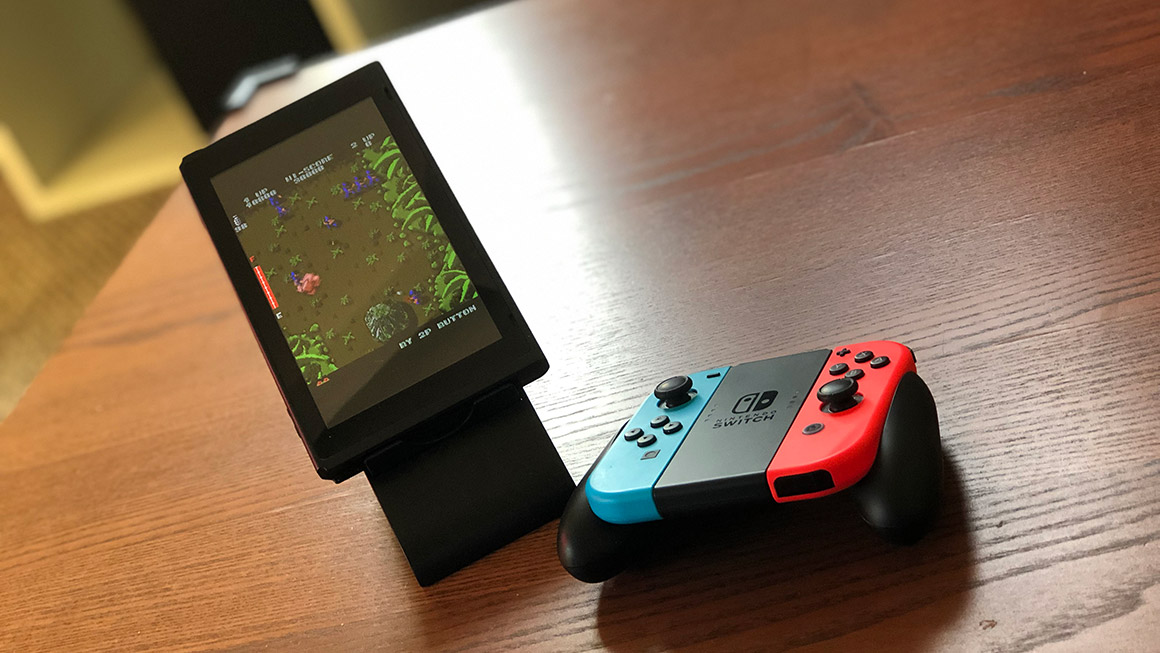
It was for that reason that I never really got into tate gaming across the years, even though I had a curiosity to go along with my love for arcade titles. Now, in 2018, things are quite different. Not only do we have displays that are lighter, easier to physically move, and in no danger of damage when rotated, but we even have a system—the Nintendo Switch—that itself has a screen you can position vertically in seconds.

So, given the flood of arcade ports that the Switch has already received, I’ve ended up diving head-first into the world of tate gaming. Below, I’ll talk about the three solutions I’ve now tried for getting the most out of vertically-oriented games, and my thoughts on each.

Beginner: Using a stand

While the Switch’s built-in display can easily stand on its own when used horizontally, you’re going to need something to keep it sitting upright if you don’t just want it laying flat on a table. Thankfully, there are numerous stands made specifically for the Switch, many of which are available for $10 or less. If you go this route, Hori’s Compact Playstand is definitely one of the more popular choices, offering three angle positions depending on which you’d prefer. As well, there are a number of smartphone or tablet stands out there that would work with the Switch, so you may already own something that would get the job done. Or—speaking of things you already own—you could be like me and still have the 3DS stand that came with Kid Icarus: Uprising. While it’s not perfect, it was the first option I tried, and definitely worked for getting my feet wet or when I want something easy to take with me.

The upside to getting a stand is that it’ll be a cheap, compact option, perfect if you’re curious about tate gaming but don’t want to make too much of a commitment. The downside is that you’re limited to gaming at a table or desk, and you might have trouble finding that perfect angle for the screen.

Intermediate: Using a Flip Grip

The excitement for tate gaming on the Switch has been evident since the first arcade ports started hitting the system, so much so that we’ve already seen a custom solution designed, Kickstarted, and released to the public.

Coming as a collaboration between Fangamer, Retronauts founder Jeremy Parish, and engineer/designer Mike Choi, the Flip Grip is a specially-designed plastic dock that lets you attach Joy-Cons to the Switch’s screen won its longer sides. This way, you can play games vertically while holding the Switch in handheld mode, meaning you can enjoy the tate pleasures anywhere, anytime. As a bonus, the Flip Grip can then also act as a stand, simply by sliding a credit card (or the included instruction card) into a slot on the back as a makeshift kickstand.

The Flip Grip is a really neat idea, and it’s awesome to see these kinds of ideas come to fruition for more specialized gameplay needs. It’s also great being able to play games vertically wherever I’d like, without the need to be stuck in one particular location. One concern I do have long-term for the Flip Grip, however, is that I can see my hands getting tired from longer gameplay sessions. Since the screen is positionally vertically instead of horizontally, and my hands are holding the unit from the bottom, weight distribution isn’t balanced like it is when using the Switch normally. Also, the Flip Grip only allows the Switch’s screen to be inserted counter-clockwise, and there are at least a few games who only allow for the screen to be rotating clockwise—meaning they’re unplayable using the device.

Disclosure: I’ve been an acquaintance of Jeremy Parish for years, and I was a backer to the Flip Grip’s Kickstarter.

Expert: Using a desk mount

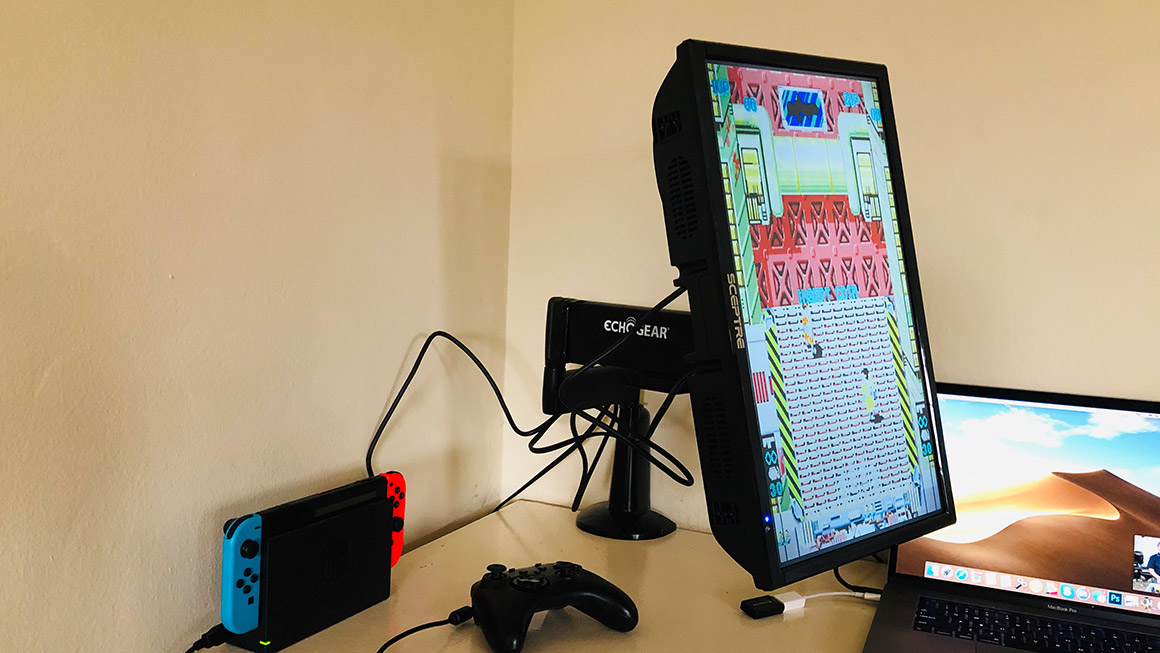
What if you want to do some tate gaming on a platform other than the Switch? Or, what if you don’t only want to be stuck with the Switch’s smaller built-in screen? Well, then you’re going to want to get a bit more serious. While you can rotate modern day HDTVs much easier than older CRT sets, that doesn’t mean it’ll always be convenient for you to do so. If you’ve got a smaller display, however, one option that’ll be of great help is a monitor stand.

A while back, I purchased a 19” HDTV for a great price on sale, and while it wasn’t hard to just rotate it vertically and find something to keep it propped up, it wasn’t exactly the most elegant (or safe) of solutions. To fix that, I got the chance to try out Echogear’s ECHO-GM1FC, a monitor stand made to hold a single HDTV or computer screen up to 30”. Even having never used such a device before, it took maybe 10 minutes tops to get my TV attached and then the stand connected to my desk.

Disclaimer: Echogear provided a sample unit of the ECHO-GM1FC for the benefit of this feature.

Once secured, Echogear’s arm not only lets you position the TV in a variety of angles, placements, or heights, but it also lets you effortlessly rotate the screen in either direction. Playing games like Ikarugaor Strikers 1945tate on the Switch’s display was fun, but seeing them come to life on a much bigger screen was pure excitement. Even with a smaller 19” HDTV, it’s getting close to how big the original arcade displays would have been in that orientation.

Going with this kind of solution is definitely a commitment, as you’d need to both determine a space to put the entire setup, but also spend at least $150 in order to get a proper TV and monitor stand. It’s also the most limited option in terms of where you can play, as you’d always be stuck to that one location unless you’re crazy enough to try moving everything from one place to another. There’s also one other unexpected catch I ran into: For some reason, there are Switch games that won’t let you rotate the screen when playing docked, only presenting that option in handheld mode. I ran into this problem with SNK 40th Anniversary Collection, which was a real disappointment given all the work that went into that release.

Still, I can’t say enough about how much I’ve loved having the chance to properly play vertically oriented games using this kind of setup. Especially for some of the games I loved as a child (such as Terra Crestaor Galaga), I can now pretend like I’m back playing them in the arcades of my youth—just without the quarters or lingering cigarette smoke.

So, if you’ve been wondering about this whole “tate” thing, or seen others playing games vertically but weren’t sure if that would be for you, there’s a number of options out there now that can help you join in on the fun. And, if you’re not even sure where to begin in regards to which games support screen rotation, Retronaut’s Flip Grip compatibility list is a good place to start even if you wouldn’t be going that route. Just, a word of warning: The more you play games meant to be vertical in their proper orientation, the more of a gaming snob you’re going to become. I know, because I’m already there.

Katamari Damacy Reroll Review

I still have vivid memories of walking into a Best Buy back in my hometown and picking up a copy of the just-released Katamari Damacy on PlayStation 2 for a paltry $20. That lower price tag was due, in part, to the fact that nobody had any clue what a “Katamari Damacy”even was—other than potentially knowing it was some weird new game from Japan.

Of course, now the little Prince and his adventures in rolling up items are beloved by fans around the world. And yet, even after a direct PS2 sequel, later games on newer generations of hardware, and a few smartphone offshoots along the way, that original game still has a special place in my heart. It was a tightly crafted, focused game full of humor and charm before it felt the pressures of trying to recreating said humor and charm over and over again.

So, when Bandai Namco announced that they were bringing back the original game in Katamari Damacy Reroll, it was a peculiar decision, but also not. Returning to the game I played 14 years ago, I’m reminded of just how wonderful and special it was. Sure, it doesn’t have the wide variety of stages, unlockables, or additional content that later chapters would offer, but it also doesn’t need those things. This is a gaming idea at its purest and more honest, before the trappings of fame or the need to make everything “bigger and better” came into play.

For those living under a rock (that hasn’t been rolled up by the Prince yet), Katamari Damacy—and, thus, Reroll—tells the story of King of All Cosmos, who one night goes on a drunken rampage and ends up breaking all of the stars in the sky. Once he’s aware of what he’s done, he tasks his pint-sized son, the Prince, with heading down to Earth and making new stars. To do so, the Prince must roll around a sticky ball called a katamari, which can pick up anything that’s smaller than its current diameter. The more objects the katamari collects, the bigger it gets, and the bigger objects it can then roll over. The Prince is let loose in a quiet Japanese town, where he must run around collecting thumbtacks and candy and sunglasses and milk bottles and chairs and children and cars and boulders and buildings and kaiju monsters and even finally the very countries of the Earth—all in the goal of making his katamari big enough to impress his father.

From the start, Katamari Damacy used the PlayStation 2’s dual analog sticks to move the katamari around under what could best be described as tank controls. If there’s a hesitation that I have about Reroll, it’s the same complaint I had about Beautiful Katamariback on the Xbox 360: Things just don’t feel “right” when you’re using two analog sticks that aren’t at the same vertical positioning. It’s a minor nitpick of preference, though, and the game controls just fine here, even when using the Switch in handheld mode.

What definitely helps the experience is the boost in resolution and overall image clarity. Katamari Damacy’s simpler visual style worked great back on the PS2, but playing that version again as a part of doing this review, it’s pretty hard to go back after trying Reroll. Everything here is just so much crisper, more colorful, and closer to how your brain remembers the original looking. And, at least from my time with it, the frame rate is thankfully solid, with only the occasional dips depending on the stage or situation.

For the most part, Katamari Damacy Reroll is the original Katamari Damacy in content and experience, but there are two noticeable differences between each. The first is that Reroll now gives you the chance to use two Joy-Cons to maneuver your katamari via motion controls—and the results are pretty much in line with what’s to be expected from motion controls on most games, Switch or otherwise. In other words, a curious gimmick with little real tangible value. The other is a controversial change that may cause previous fans to curse Reroll’s existence for years to come: The original English voice acting from the quirky cutscenes is now back to its original Japanese. Okay, so maybe it’s not that big of a deal. I honestly don’t care either way, and almost think they make more sense in Japanese (given they’re focused on some random family from Japan), but the English dub was cheesy fun, so it’s sad that we couldn’t have the option to pick from both.

Katamari Damacy Reroll is a great reminder of how fantastic the original chapter of Keita Takahashi’s now legendary series was, but it’s then also proof of just how well that game still holds up all these years later. No matter if you’re an old pro at stepping into the shoes of the tiny Prince, or you don’t know your katamaris from your calamaris, take a break from all of the other games vying for your attention, and roll a little fun up into your life.

Persona 3: Dancing in Moonlight + Persona 5: Dancing in Starlight Review

Three years ago, when Atlus announced that it was making a dancing-focused spin-off to its mega-popular Persona series, the idea seemed a bit odd. Now, in 2018, the rules for what is and isn’t “normal” have all been upended. Tell me that we’re getting two more dancing-focused offshoots to a series usually based around saving the world by enslaving demon minions? You’ll get barely a shrug from me.

Persona 4: Dancing All Night wasn’t the most groundbreaking or deep rhythm game I’ve ever played, but it was well produced, pretty fun, and actually made the concept work—and, sometimes, that’s all you need. So, while I wasn’t holding my breath for follow-up titles, I was genuinely interested to see where the pair of sequels would take the series.

For good or bad, Persona 3: Dancing in Moonlight and Persona 5: Dancing in Starlight are almost the exact same gameplay experience as we got in Persona 4: Dancing All Night. Notes still travel out from the center of the screen to six markers corresponding to directions and buttons—with up, left, and down on the left-hand side of the screen, and Triangle, Circle, and X on the right. When the note lines up with the marker, push the proper input, and you’ll get a score based on how exact you were in your timing. In additional to regular notes, there are hold notes (press and hold the input for the duration of the note), union notes (two different buttons at once), and scratches, which instead require pressing an analog stick.

I know it’s an easy complaint if a series makes little progress gameplay-wise between iterations, but the reality is that I’ve seen numerous other rhythm titles ruined by the “we need to change this somehow” mentality. (I’m specifically looking at you, Project Diva F.) So, really, Dancing in Moonlight and Dancing in Starlight are better off for not changing too much. However, there is one gameplay addition present here: double notes, which are two notes connected together that you hit in quick succession. The thing is, regular notes were (and still are) providing those same moments during songs, so I’m not totally sure why they exist. Double notes take nothing away from the games, but they also add nothing.

What also hasn’t changed is the development team’s utterly impressive visual work. Persona 4: Dancing All Night’s character models were gorgeous, and that continues here. The Persona 3 cast’s appearance is especially exciting, given we’ve never had properly-proportioned versions of that cast (with all their prior appearances being in SD form). Also, as I said with the previous game, man, do these two titles look stunning on the Vita. Obviously, there’s not a lot going on in terms of character count or complex backgrounds, but it still amazes me how good each dancer looks even on Sony’s handheld. Even better, dance animations are improved over Dancing All Night, which is always one of the underappreciated-yet-important parts of games like these. There are a handful of other smaller upgrades to what came before as well, such as a wider array of customization items and game modifiers to unlock, and the ability to play with either English or Japanese voices.

Ah, but there is one very large change to the overall package. Gone is the story mode that we got in Persona 4: Dancing All Night, replaced with unlockable “social” cutscenes more akin to the Social Links from the main games. Each character’s scenes have a specific requirement for unlocking them, with each cast member also focusing on different challenges. (So, for example, in Persona 5: Dancing in Starlight, Makoto requires you to equip different accessories, while Futaba’s are based on how many tracks you’ve played.) Especially interesting is that, at a certain point in each social line, you’ll be able to visit the personal rooms of each character—giving us a chance to learn more about both teams in a way that’s never been possible before.

I’ve got to say, I’m definitely happy about the change. The story mode from Dancing All Night was a lot of nonsense, and not only am I ambivalent about narrative in my rhythm games, but I actively dislike Atlus trying to link all these side projects to the main canon. These new social scenes feel more “Persona” to me, they don’t get in the way, and they provide a nice set of challenges that offer up nice rewards. Still, I’m certain that not everyone will agree with me on this one. If you’re looking for content to sink your teeth into, the offerings here definitely feel more sparse compared to Dancing All Night.

I spent a lot of time going back and forth on how to review Persona 3: Dancing in Moonlight and Persona 5: Dancing in Starlight, because while they’re different games, they’re also not. Deciding which one to get—if you aren’t picking up both—is really about which source game’s soundtrack you prefer. I think Persona 3’s music works better for a rhythm game, but on the other side, Persona 5’s best tracks have been my favorite stages between the two. Otherwise, the casts are different, and the menus and UI are properly themed to each game, but the overall experience you’ll get in the end is exactly the same.

I’m still not sold on the idea of the Persona soundtracks working as the basis of rhythm games, but I’d be lying if I said I don’t get a decent amount of enjoyment out of virtually dancing to them. Which one you go for will be up to you, but either way, Persona 3: Dancing in Moonlight and Persona 5: Dancing in Starlight are weird yet weirdly lovable experiences. Sure, they’re more milking of a brand that is getting dangerously close to being milked to death, but it’s hard to deny how tasty that milk can sometimes be.

Don’t Sleep on This Fall’s Three New Rhythm Games

Over the years, I’ve watched as the rhythm game genre has grown from early efforts like Parappa the Rapper on the original PlayStation (back when we didn’t even have a category to properly put it in) to a booming and legitimate branch on the great gaming genre tree. So, imagine how I felt when, over the past couple of weeks, we’ve gotten three major rhythm game releases here in North America, all at almost the same time. (Not to mention we’re about to get two more in Persona 3: Dancing in the Moonlight and Persona 5: Dancing in the Starlight on December 4th.) Since I knew I wouldn’t have the time to review them all individually, I decided instead to bring them together into one big look at what’s new for fans of the genre (or those gamers simply looking for something a little different).

Publisher: Enhance Inc
Developer: Monstars Inc, Resonair
Platforms: PS4
Tetris Effect

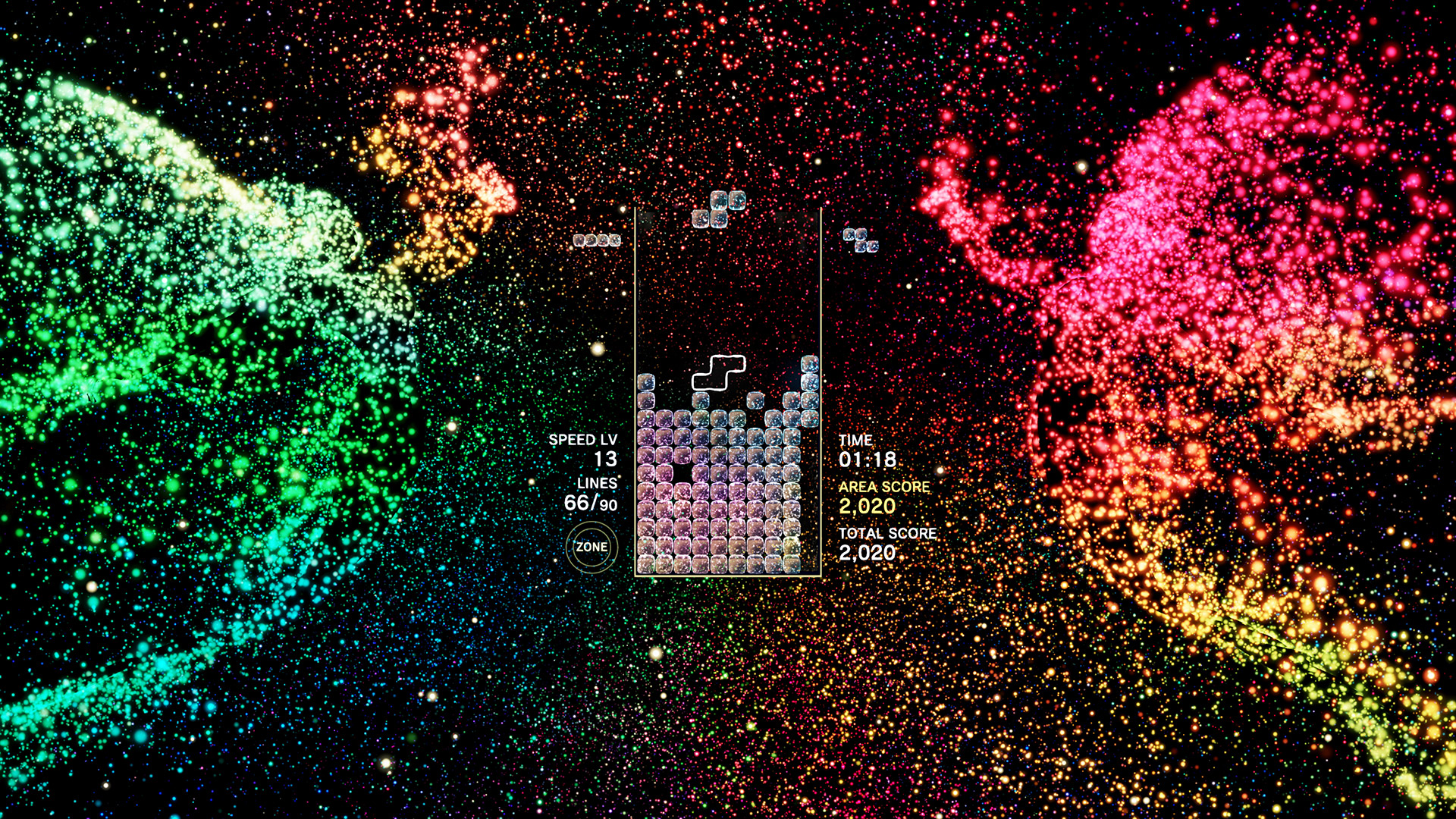
If you were to ask me about all of the video game projects and ideas that I might want, a version of Tetris produced by Rez creator Tetsuya Mizuguchi would never, ever have come up in my mind. Sure, his puzzle series Lumines exists in the same genre as Alexey Pajitnov’s legendary franchise, but it’s always felt like they were miles apart from one another. Lumines was the series I went to when I wanted to relax with a mix of ethereal beats and pop hits, all set on top of trance-inducing backdrops. And Tetris is, well, Tetris—a concept often at its best when it feels almost Cold War-era, USSR utilitarian, stripped of its fanciness and visual/audial splendor and any other frills that would make one dream of a better life off in the West.

And yet, let’s be fair: Tetris is also the perfect “chill and zone out” kind of game. So, it ends up that Tetris Effect is the equivalent of mixing your chocolate and peanut butter, taking two things that can stand on their own and combining them to create a smooth, delicious new experience. I now feel stupid for never having known that I wanted a game like this, because hot damn is it good. Mizuguchi’s love of inducing synesthesia in players is a perfect fit for the simplistic (yet complex) gameplay design of Tetris, and while I wouldn’t go so far as to say that this is my favorite iteration on the original game’s ideas to this date—something like Tetris DS is equally wonderful in a very different way—it certainly now stands as one of the best.

That’s helped—much like Tetris DS, in fact—by the inclusion of additional modes that let you position tetriminos and clear lines in a variety of ways. Journey mode is an interesting take on the idea of a Tetris campaign, as you make your way through the game’s soundtrack and included skins by completing sets of songs. Meanwhile, Effects mode is less about making progress and more about simply playing Tetris in a way that fits your current mood. You can pick your favorite song and clear lines until you fail in endless mode, select a playlist based around various themes such as “sea” and “world,” or focus on completing challenges in an attempt to climb to a good spot on the global leaderboards. I do, however, have to say that I’m disappointed there’s no way to play endless while advancing (after clearing X amount of lines) through each of the songs. As it is now, you’re stuck playing the entire time on the one song/stage you chose.

Across all of these choices, Tetris Effect also provides a great set of customization options, tweaking elements such as the piece queue, ghost piece display, tetrimino colors, initial rotation, and more. Those come along with the ability to rotate and zoom the playfield, which sometimes seems like a gimmick, and other times is actually a nice chance to change things up.

It’s quite possible that you’ve heard of Tetris Effect but have written it off as “that VR Tetris game.” I will tell you that, as someone who doesn’t play games in VR (because they can’t play games in VR due to motion sickness), this is not simply a showcase for virtual reality with little to offer beyond that. Tetris Effect is a fantastic, fully-featured new way to experience the beloved puzzle series that completely stands on its own—but which can then also be played using Sony’s headset. No matter if you’re a longtime Tetris fan, someone new to puzzle games, or simply a person looking for a gaming experience a little different from the norm, Tetris Effect is an easy recommendation to pretty much everyone who enjoys good games.

Publisher: Bandai Namco
Developer: Bandai Nanco
Platforms: PS4, Switch
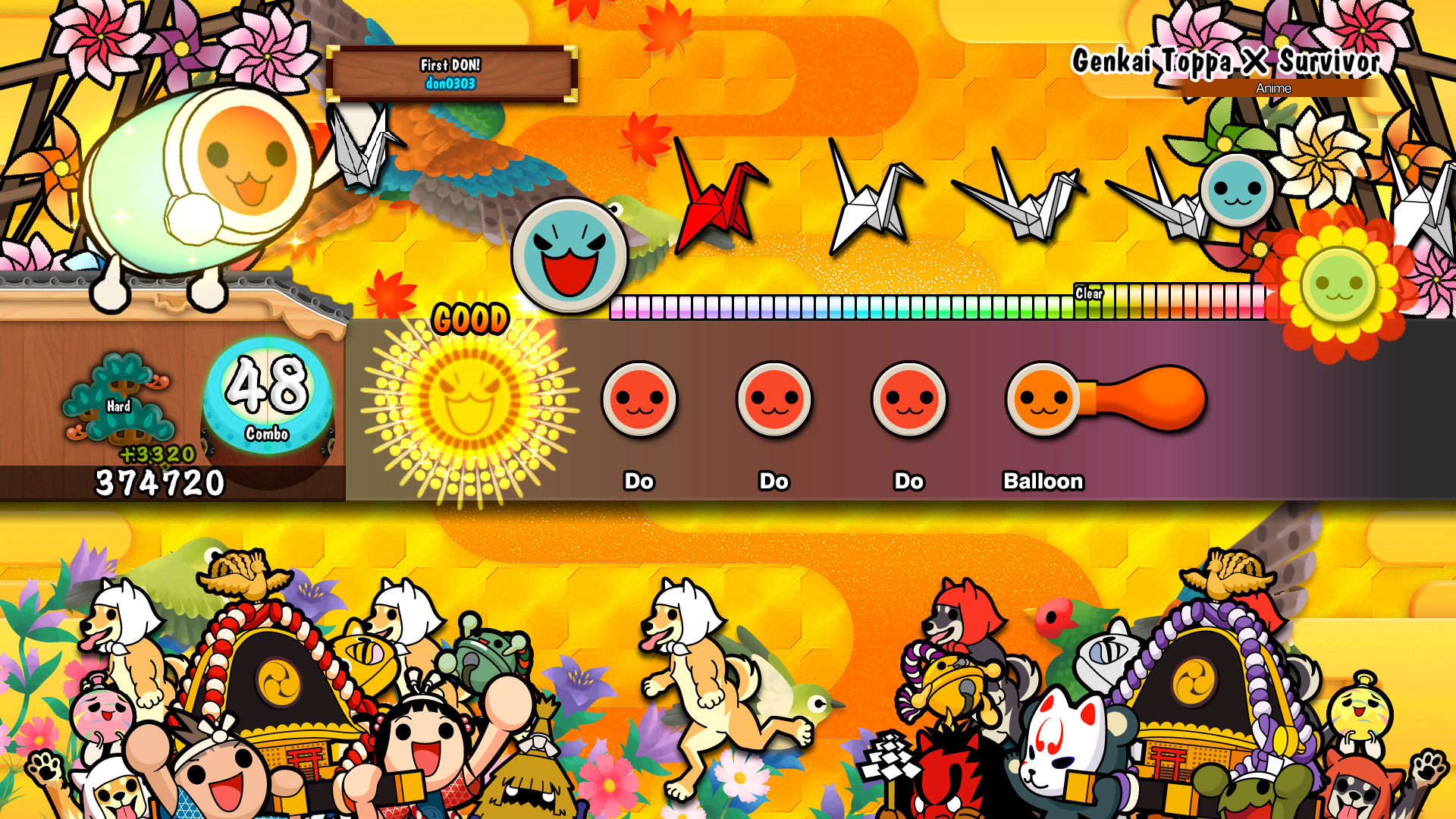
Taiko no Tatsujin: Drum Master
Taiko no Tatsujin: Drum ‘n’ Fun

In the weird and wild world of Japanese rhythm games, Taiko no Tatsujin has always held a special place in my heart. Part of the subgenre of releases that rely on very specialized (and, at times, costly) controllers, Bandai Namco’s series focuses on Japanese taiko drums, with arcade cabinets that instantly catch the eye due to their full-sized drum replicas. Grab a pair of bachi (the wooden sticks), strike the drum’s surface or clack them against its outer rim, and you’ve got yourself a rhythm game.

While series releases have been prolific in Japan, things haven’t fared so well on our shores. Taiko: Drum Master hit the PlayStation 2 in North America in 2004 with a very Westernized selection of songs, and then—well, that’s it, at least until now. Fourteen years later, we’re finally seeing the series again, this time through two separate releases: Taiko no Tatsujin: Drum Session on PlayStation 4, and Taiko no Tatsujin: Drum ‘n’ Fun on Nintendo Switch.

It’s interesting that, after so many years of nothing, we get two franchise games at the exact same time that offer up differing experiences—and with both, somewhat shockingly, retaining their original Japanese soundtracks.

For that reason, I’ve ended up leaning more toward Drum Sessions. As a longtime fan of Japanese music, the PS4 version’s larger selection of hit singles is really up my alley, from The Blue Hearts’ Linda Linda, to Jitterin’ Jinn’s Natsumatsuri, to X Japan’s Kurenai, to Babymetal’s Gimme Chocolate!!. (Seriously though, can we please stop assuming that’s the only Babymetal song we can ever use in music games?) The rest of the music selection fills out with a smaller sampling of anime, Vocaloid, variety (think the Hello Kitty theme or viral hit Pen-Pineapple-Apple-Pen), classical, game, and Namco original tracks, giving the game a music library that never feels extensive, but is at least nicely varied. The main pull of the PS4 version is then its focus on competitive play. As you play, the game creates “ghosts” that represent how you did in any particular song, and you can then face off against the ghosts of other players as you attempt to raise  (or at least avoid dropping) your standing in ranked mode. All songs also have a bingo card that you fill out as you complete track-specific challenges, with the credits they give unlocking new options for customizing your avatar.

Over on the Switch side, Drum ‘n’ Fun’s music selection didn’t endear itself quite as much to me. Still, I think it might be the more popular choice for more casual fans, as the anime offerings are better, and the game music section contains some Nintendo-related tracks. Drum ‘n’ Fun also puts more focus on bringing people together, which starts with its Party Mode. One to four players can jump into a nice variety of mini games, each falling under either co-op, versus, or team versus rules. You can also connect two, three, or four players through local wireless play, meaning impromptu Taiko no Tatsujin competitions can break out anywhere enough people have Switches and copies of the game.

Drum ‘n’ Fun then offers up and additional option that looks to address the main issue that’s always faced Taiko no Tatsujin: its controls. While drum controllers came out for both games in Japan, neither is coming to the States, meaning most play on either version will be through the use of traditional buttons—and, at that point, some of the charm of the series gets lost. On the Switch, you can remove the two Joy-Cons and use them as virtual bachi, which works well enough if you’re playing more casually or can really get the hang of using that method. For me, motion controls for rhythm games are just too inherently imprecise, so buttons it is.

While I wish we were getting the full Taiko no Tatsujin experience over here, I’m still thankful that both Drum Session and Drum ‘n’ Fun made it our way—and with their track lists intact to boot. Though I’m certain the series will always remain niche on our shores due to just how Japanese it is, I’m always thankful to have another option for picking up these games beyond importing.

Publisher: XSEED Games
Developer: DMM Games
Platforms: Switch
Gal Metal

Whether you know Tak Fujii for his role in Konami’s infamous E3 2010 press conference, his work on a variety of that company’s projects, or for simply being an engaging member of the Japanese development community, it’s hard not to be won over by the enthusiasm he shows for his creative efforts.

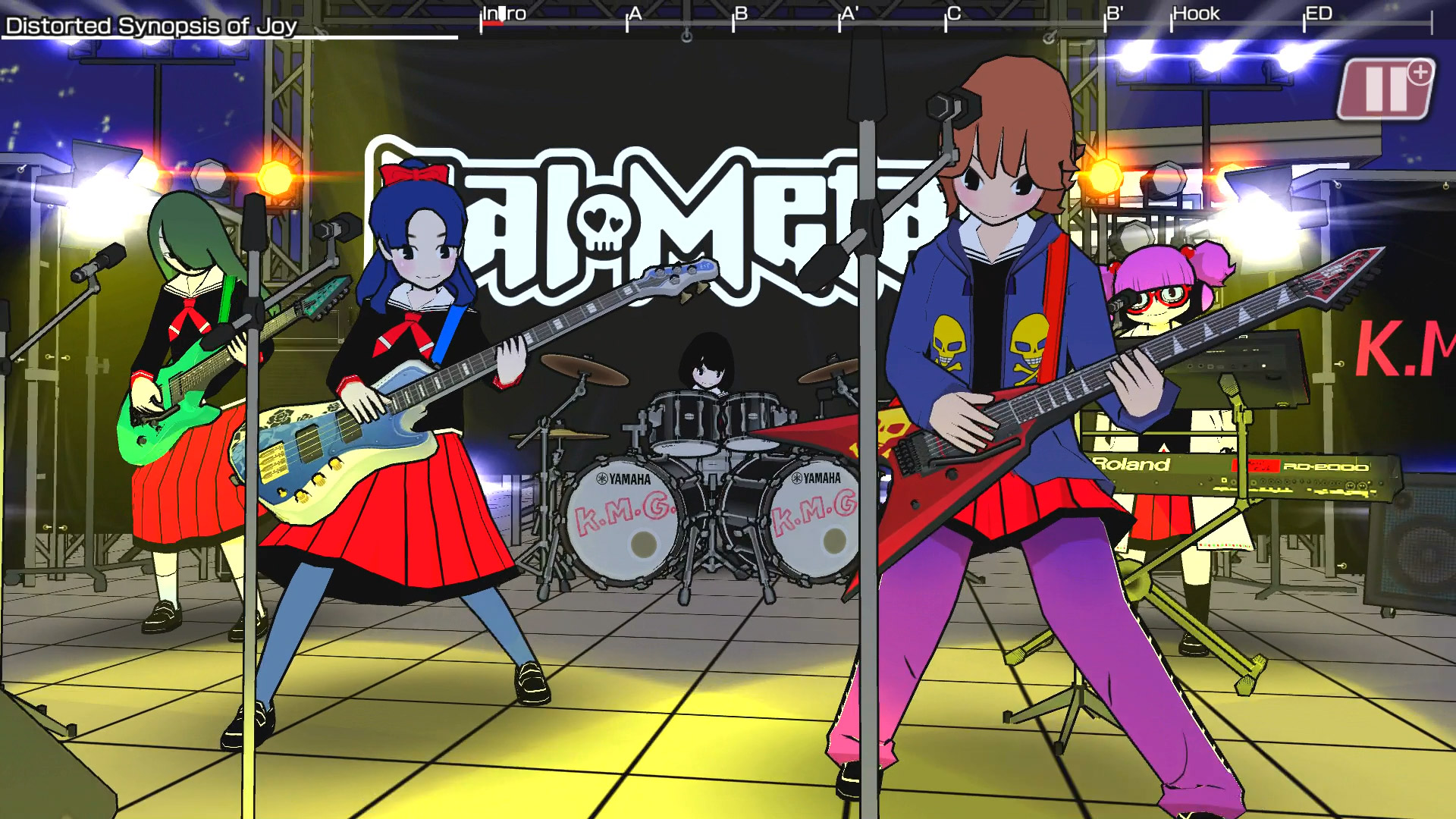
That was the case for me with Gal Metal. The Switch-only rhythm game initially caught my eye due to its gorgeous art style, created by Japanese artist Toshinao Aoki (who I’d known from his various manga releases). Then, however, I found out that the game would only be playable with motion controls, and I started to get worried. I got the chance to catch up with Fujii at E3 this year when we sat down for a demo of Gal Metal, and it was hard not to feel some excitement for the game grow again hearing how enthusiastic he was about the ideas and gameplay his team had implemented.

The core of Gal Metal presents an experience that you don’t often see in a lot of other rhythm games. As you play, you’re presented with a series of four-beat rhythm patterns that correspond to being the drummer of your band (which I’ll get to in a moment). Each note marker is one of two colors—red or blue—and you flick the corresponding Joy-Con to hit that note. Where things get interesting is that, when playing each song, there’s no notes or suggested patterns on screen. Once you’ve learned each rhythm pattern, it’s up to you to decide when to play them to create the song’s drumline.

This offers up a legitimately neat twist to how things usually work, as there’s a feeling of actually being the drummer and needing to decide how you’re going to dictate the flow of the beat. Also, Gal Metal expects you to actually learn instead of just following along; if you don’t remember the various patterns (or aren’t creative enough to come up with them on your own), you’re not going to get a high enough score to get anywhere. At the same time, what makes Gal Metal stand out also creates a decently high barrier of entry, as remembering numerous beat patterns probably isn’t going to be easy for many.

As I said above, I’m typically not a fan of motion controls in rhythm games—but they work here. There were still times when I didn’t fully feel in control, or when the Joy-Cons would read movements I wouldn’t want them to, but more often than not I found myself having fun pretending to play the drums. Well, at least when away from a television, using the Switch’s main screen propped up on a table or desk. There’s something about the game that feels off when playing on a TV, and with no option for adjusting input lag (a common problem with rhythm games running on HDTVs), I can’t know for certain if that’s the disconnect I was feeling at times.

What then helps cement Gal Metal as a proud member of the “wacky but adorable Japanese rhythm games” club is its campaign. As the game begins, a random unnamed high school boy and a fellow female student named Rinko are kidnapped by aliens, who explain that they’ll soon be destroying the earth. It seems, in this world, the golden record carried upon the Voyager space probe was filled with heavy metal music, which caused a good chunk of the alien race to die off from excessive headbanging. Now, the two high-schoolers—both in control of Rinko’s body—must convince the other members of K.M.G. (Kichijoji Metal Girls, the band Rinko is a drummer in) to rock out in order to take out the coming alien invasion.

The story is incredibly silly and nonsensical, but I say that in a good way. Rinko’s bandmates are all full of personality and help drive the story along, and between practice gigs and the confrontations with the aliens, you can interact with them around town. These segments offer you the chance to build up Rinko’s stats through meeting her friends, working part-time jobs, or partaking in other activities, giving you some sim-esque side content that you normally wouldn’t expect to find in a rhythm game.

Gal Metal is one of those kinds of releases where I could write a list a mile long on how it could be better, but where its weirdness, awkwardness, and lack of certain polish actually helps give it its charm. It reminds me of Um Jammer Lammy, Gitaroo Man, or Osu! Tatakae! Ouendan (Elite Beat Agents in the West), where I think trying to make the game better would instead end up making it worse. Gal Metal certainly isn’t for everyone, but it’s a fun little music-filled adventure for those who can appreciate its quirks.

Johnny Turbo’s Arcade: Heavy Barrel Quick Thoughts

The entire time I played SNK 40th Anniversary Collection, I couldn’t stop wondering about Heavy Barrel, a Data East arcade game that used similar twisting joysticks to Ikari Warriors. Then, suddenly, a week later, it comes to the eShop!

And the result is… okay.

Basically, pushing left or right on the right analog stick rotates your aim, or when using a single Joy-Con, it’s the L and R buttons. This is basically what I would have expected, and it’d probably have been easier to accept had that darned SNK collection not just come out.

Having the “push right analog in the direction you want to aim” here as well would have been a dream. I’d even just like the option to have my character fire in whatever direction they’re currently facing. (I don’t honestly know how easy/hard that is to implement, though.)

I think this is a case of really bad timing for launch date. Had I been FTE Game I’d have gotten this out either earlier than SNK 40th Anniversary Collection or given it like a month to let the excitement die down a bit—especially given both are on the exact same platform and targeting the same crowd.

I also think it’s bad timing because it’s coming one week after a singular release that houses multiple games of this type. There’s a bit of “do I really need another game in this genre” feeling that cropped up five minutes into playing.

So, another reason to give it some buffer.

SNK 40th Anniversary Collection Review

There may be no single type of video game release that varies as much in quality as the retro game compilation. Across the years, we’ve seen collections come out with everything from only two games to 40-plus, themed bundles of titles to completely random selections, stellar custom emulation engines to garbage stolen code, and everything in between. It often feels like every single release of this type is a roll of the dice for fans, with no assurance of how things will turn out until a finished copy (or digital download) is in-hand and playable.

With that in mind, I can say—with absolute sincerity—that SNK 40th Anniversary Collection feels to me like one of the best retro compilations in years.

That sentiment doesn’t come because of the package’s emulation quality, but I don’t say that in a negative way. On a personal level, the name Digital Eclipse (and its sibling brand Backbone Entertainment) was one I hated seeing attached to retro releases for years, as the studio became known for some shamefully shoddy work in its past. Recently, however, the team has been putting a concentrated effort into improving its offerings—even if there still have been a few bumps in the road along the way. Even here, SNK 40th Anniversary Collection isn’t perfect. After installing and trying out the day-one patch, I’ve encountered at least one random glitch, and I can’t promise that there won’t be other issues either now introduced in that patch or which I simply didn’t run into before. Still, in the time I spent with this release, I came away impressed not only with what I’d seen, but also with the fact that I’ve been able to concentrate more on the games I’m playing and not how well they’re emulated—and that’s how it should be.

Those games, by the way, are going to be a sore spot for some. When people think SNK, dollars to donuts they think of the NeoGeo era, or maybe even a high-profile release prior to that like Ikari Warriors or Crystalis. Well, both of those are here, but so are Alpha Mission, and Athena, and TNK III, and Street Smart, and Vanguard, and other games I’m betting a lot of players may have never even heard of. (For information’s sake, the rest of the at-launch games are Guerrilla War, Ikari Warriors II: Victory Road, Ikari III: The Rescue, P.O.W., Prehistoric Isle, and Psycho Soldier.)

My introduction to the company then known as Shin Nihon Kikaku came through its earlier arcade and NES releases, and I actually remember when I was mad about it making the NeoGeo platform—because it meant its future games would vanish from every other system. So, there’s a lot of value to this collection to me. From the nostalgia I feel playing the arcade version of Ikari Warriors again, to my continued bafflement over its incredibly weird sequel, to the realization that I knew Vanguard but had totally forgotten than I did, to once again facing off against my life-long nemesis Athena, SNK 40th Anniversary Collection holds a lot of importance to me, and I’m really glad that something other than SNK’s NeoGeo efforts are finally getting proper recognition. But. This isn’t early Capcom. Nor is it early Konami, or Sega, or other developers whose games still hold up incredibly well for a wide array of more casual players. These games can be hard to go back to, a fact that I admit even while loving them, and even being an SNK fan doesn’t guarantee you’re going to enjoy what’s on tap here.

SNK fans should give this collection a try no matter what, though, because of the history it contains. It’s not just those games, many of which are available in both their arcade and home console forms, but also the included Museum option. At its core, it’s similar to the history sections you’ll find in other such collections: artwork, other images, background details on games, and so on. However, the work the team has put into documenting SNK’s history here is utterly commendable. They were able to track down information, assets, and even working machines for games that still have little to no documentation all of these years later, meaning the “SNK Complete Works 1978-1990” section of the Museum contains content that even hardcore SNK fans will probably be seeing for the first time. As someone who likes to think they know the company’s history, I was shocked by some of the games I had no knowledge of, and using the slideshow option to travel through the images with additional explanatory text was legitimately exciting. This one feature of SNK 40th Anniversary Collection is good enough that it could actually be used as one source of reference material going forward, and that’s shocking to say about a feature that many other compilations too often treat as throwaway bonus content.

What makes SNK 40th Anniversary Collection extra special is the sense of pride taken in putting this package together is also seen in the included options for games. Some of what’s here isn’t a surprise: the ability to rotate the screen for playing on vertical displays, challenge options (difficulty, number of lives, etc.), border art, screen filter and ratio settings, save states, gameplay rewinding, and the ability to toggle which regional version of a game you want to play (Western or Japanese). What I didn’t expect was the ability to watch a full playthrough of every game, and then even be able to pause the reply and start playing from the exact moment you paused. While it makes sense how this is accomplished—it’s obvious a replay file or something similar—it felt like total witchcraft the first time I tried it. It’s such an incredibly smart idea that I can’t believe wasn’t tried before (to my knowledge).

The Digital Eclipse team has also put some real thought into the control options, which is important due to a problem that some of the included games pose. For those who have never tried them in the arcade, titles like Ikari Warriors, Guerrilla War, and TNK III feature a joystick that you could twist, so that—using only one input device—movement and aiming could be separate actions. To accomodate for that, players have three main choices: set aiming to the right analog stick, and fire to a shoulder button; keep aiming on the right stick, but have your character automatically fire whenever pushing in a direction (like many twin-stick shooters); or have directional aiming set to different face buttons, so that the games can be fully played when using a solo Joy-Con. Now, I know those solutions all sound very obvious, but they’re luxuries we often simply don’t get.

There is one gripe I have with SNK 40th Anniversary Collection, and some may see it as looking a gift horse in the mouth. Beyond the 14 games included at launch, 11 more will be coming as free DLC on December 11th: Munch Mobile, Fantasy, Sasuke vs. Commander, Chopper I,Time Soldiers,Bermuda Triangle, Paddle Mania, Ozma Wars, Beast Busters, Search and Rescue, and World Wars. Now, that’s great, and I’ll certainly always take more games, but for an “archival” release like this it’s a bit frustrating that those bonus additions aren’t safely stored on the cartridge. There will absolutely come a time when the Switch’s eShop is gone, and at that point, those games could be lost to later generations. (Though, thankfully, the Switch doesoffer the ability to share DLC and updates with other local Switches, so at least there will be one option no matter what.)

In a relatively short amount of time, the Nintendo Switch has surprisingly become a bastion for resurrecting classic Japanese gaming, and SNK 40th Anniversary Collection is an important addition to those efforts. And, just maybe, it could teach its competitors a thing or two. While one could make an argument over if these games hold value to all players or not, there’s no arguing that SNK’s past is something worth preserving and experiencing—or that this package is a damn impressive way to do so.

Disclosure: Frank Cifaldi is an online acquaintance of mine due to some contributions of scanned promotional goods I’ve made to his Video Game History Foundation. Cifaldi served as part of the development team on SNK 40th Anniversary Collection.

NeoGeo Mini Review

It used to be that all-in-one video game “systems” were cheap, disposable products released in the hopes of making a few quick bucks off of nostalgia. Then, in late 2016, Nintendo released the NES Classic Edition, showing the world what you could do when you actually care about the product you’re making. Since then, there’s been a push for giving consumers higher-quality plug-and-play options, and one company to throw its hat into the ring is SNK. If there’s any company that’s made a business out of selling and reselling its classic titles, it’s SNK, so as a longtime fan, I wasn’t at all surprised to see it offer up a product to join the ranks of the SNES Classic Edition, The C64 Mini, and the upcoming Mega Drive Mini and PlayStation Classic.

So how did their attempt turn out?

Overall design

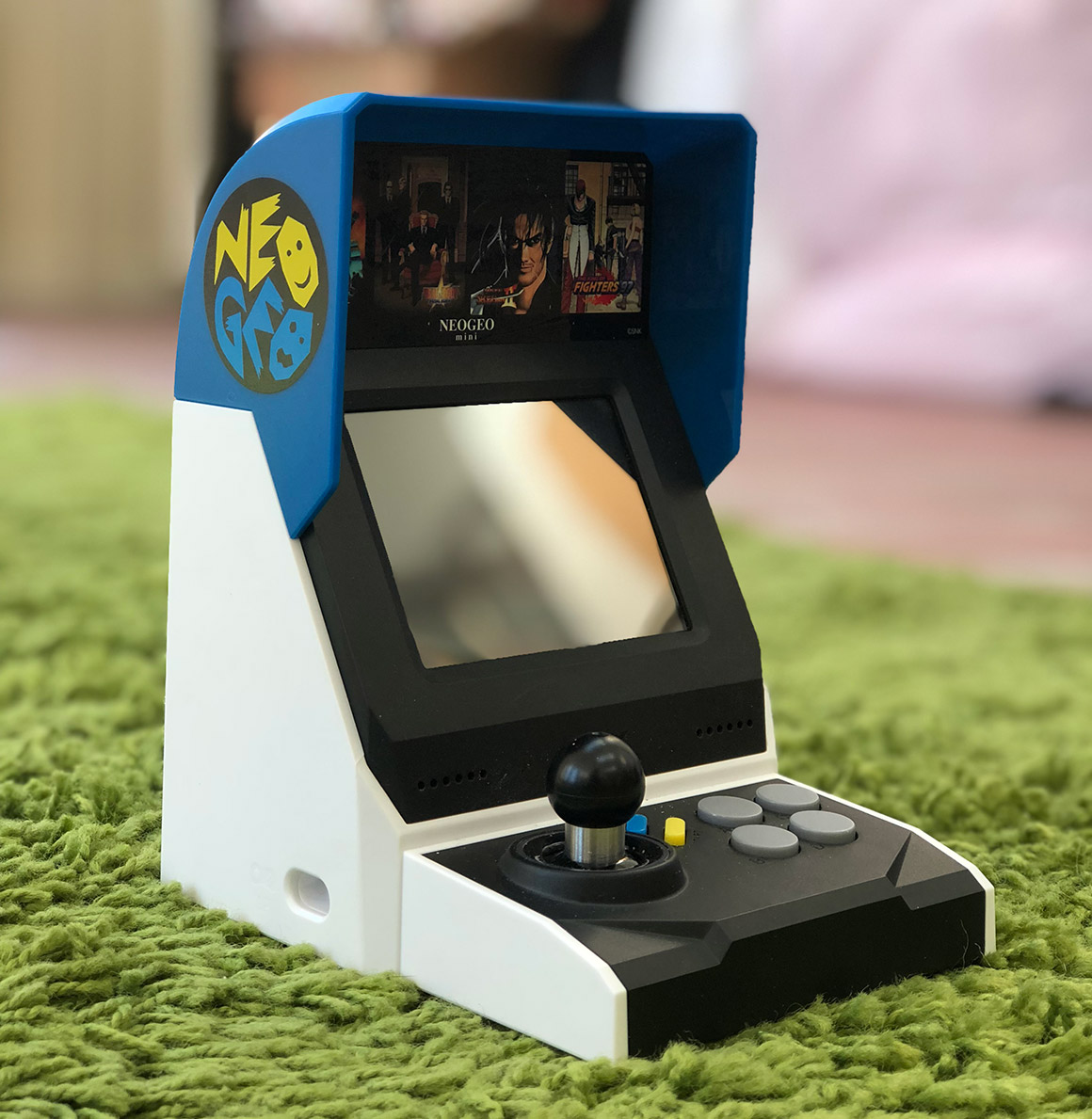
SNK created the NeoGeo Mini’s striking blue, white, and red design (altered slightly for our “international” version) to represent the SC14-2/4 arcade cabinets that it used in Japan. On that level, it’s a neat nod to both the legacy of SNK’s NeoGeo platform, and the company’s big shift to the arcade market during that era.

Let’s be honest though: this design will hold little nostalgia for a whole lot of fans. In the West (or at least North America), there are few arcade cabinets more iconic than the red NeoGeo units we got, so something like this doesn’t even register as being SNK-related without a history lesson. Even in Japan, I’ve never personally seen this model in use, with every NeoGeo game I’ve ever played being in a more traditional “candy” cabinet.

Really, though, when you tell me that SNK is going to be making its own all-in-one piece of hardware, I instantly expect a miniature reproduction of the NeoGeo home console. Sure, it’s likely that people have experienced these games in the arcade instead of on the expensive home system, but that console is still incredibly iconic to a whole lot of gamers. Also—and I know this is being a bit pedantic—all of the games on the NeoGeo Mini are the AES (home) versions, not the MVS (arcade) versions. While that was the right choice to make (excluding one hitch I’ll mention in a bit), as the AES versions provide more gameplay modes and options, they would have felt even more “right” on a system designed to replicate the home console.

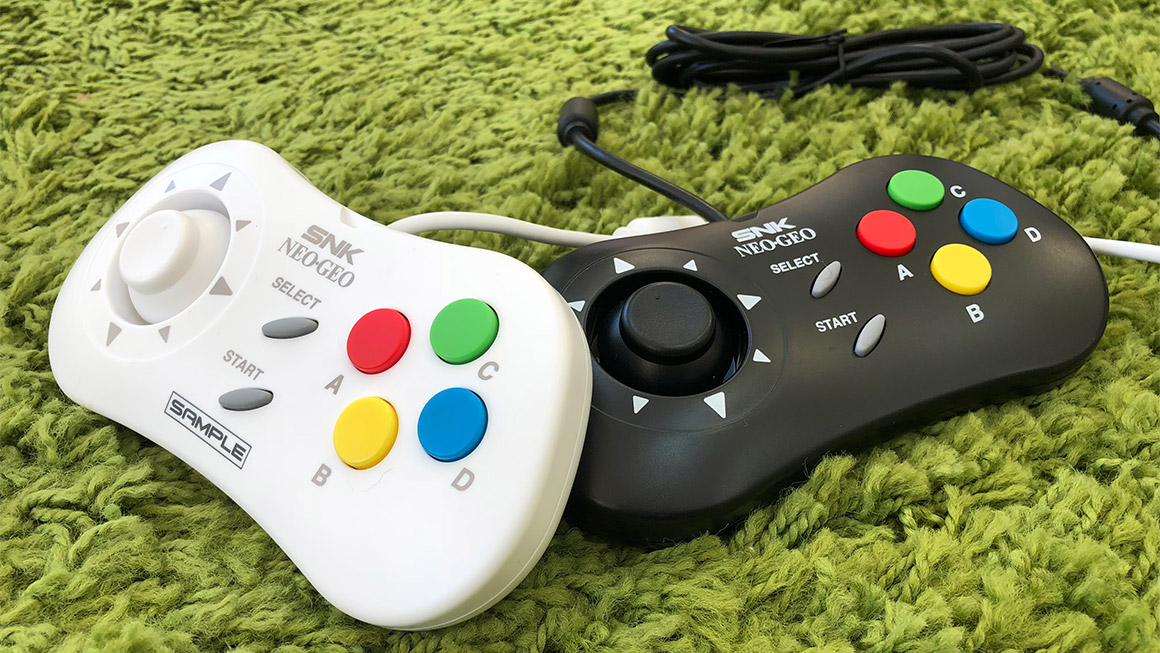
Finally, some peculiar decisions were made with the buttons on both the system itself and the optional NeoGeo Mini Pad controllers. When put into a 2×2 layout, NeoGeo buttons typically go “C D, A B” in terms of order. Here, for no clear reason, that order changed to “A C, B D”. Well, there is one potential reason: that layout does work better for The King of Fighters, which is by far SNK’s most popular fighting game brand at this point. Still, it’s a weird change, as is the loss of the trademark button colors on the international version of the NeoGeo Mini.

Hardware quality

So, I could argue why I’d rather have had a unit that replicates the home console, but there’s a pretty clear reason why SNK might have chosen to go this route instead: to stand out. Having a mini arcade cabinet, complete with screen, that can sit on your desk definitely sets the system apart from the plug-and-play crowd—even if it does then risk grouping the NeoGeo Mini together with all of the cheap mini arcade cabinet products that have also flooded the market in recent years.

I was afraid the NeoGeo Mini might be on the same quality level as those other options, but this is the area where I came away the most surprised. Sure, the unit itself is small, but it’s way more playable than I assumed it’d be. The buttons are a good size and feel satisfyingly clicky, and the stick actually works well enough to play fighters on it (beyond just button mashing). Now, I want to be clear: You need to have realistic expectations for how playing games directly on the NeoGeo Mini will feel, and it isn’t suited for more serious or longer play sessions. For something to have sitting there when you want to take a break or need a distraction, however, it’ll do the job. That’s also helped by the unit’s screen, which again defied my expectations. Games look incredibly crisp and clear on the NeoGeo Mini’s display, doing justice to the beauty of SNK’s sprite work.

There is, however, one giant asterisk on all of this that may or may not ruin the idea of the NeoGeo Mini for you: It has no battery. If you don’t have the system plugged into a power source of some sort, you won’t be playing games on it. I’m not sure it’s a total dealbreaker for me, but when you put the effort into making a device that can completely stand on its own without needing any external hardware, not being able to just pick it up and play wherever you want hinders that goal.

Then we come to the NeoGeo Mini Pads—and oh boy. On the list of “greatest fighting game controllers of all time,” the NeoGeo CD controller is easily in the top three. Unfortunately, while this recreation has the look of the original, it definitely doesn’t have the feel. For the NeoGeo CD controller, a system of four microswitches read directional inputs, similar to what you’d find in actual arcade machines. That made pushing different directions feel both reliable and recognizable, all accompanied by an oh-so-satisfying clicking noise. Here, on the NeoGeo Mini Pads, an analog stick tries to play the same part, but it just can’t do the same job. There’s no solid sense of pressing a particular direction, so even when navigating the main menu, I constantly had to deal with thinking I’d pushed one way but the system reading another.

If you want to play the NeoGeo Mini on a television, or if you want to do any sort of 2-player gaming, you’re going to need to use the NeoGeo Mini Pads, and they’re an awful recreation of a legendary controller—not to mention a disappointing input device period. To be fair, though, they’re also not unusable. If you’re the type of person who has gotten used to using analog sticks for 2D games, they’re okayfor a lot of the included games here. They can even work for fighting games, but only if you put more mental energy into performing your inputs than you should have to. Being simply okay is such a shame, if for no other reason than having a new batch of good-quality NeoGeo CD pads that support USB would have been very welcome.

Oh, and I should warn you that the NeoGeo Mini requires an HDMI cable with a mini plug on one end, and doesn’t come with such a cable included. So, that’ll be an extra purchase you’ll need to make if you’re hoping to play on a television. (I wouldn’t have even had one on hand had such a cable not been included with the review unit I was sent.)

Game library

Probably the easiest thing to get right about a NeoGeo Mini is its library of included games, and I actually agree with most of the decisions made here.

To recap, the NeoGeo Mini includes:

  • Fighters: The King of Fighters ‘95/’97/’98/2000/’02, Fatal Fury Special, Real Bout Fatal Fury, Garou: Mark of the Wolves, Samurai Shodown II/IV/V Special, Art of Fighting, The Last Blade 2, World Heroes Perfect, Kizuna Encounter, Ninja Masters
  • Action: Metal Slug 1/2/3/X/4/5, Magician Lord, King of the Monsters 1/2, Shock Troopers 1/2nd Squad, Blue’s Journey, Crossed Swords
  • Beat ‘em Up: Sengoku 3, Robo Army, Mutation Nation
  • Sports: 3 Count Bout, Top Player’s Golf, Super Sidekicks, Football Frenzy
  • Shooter: Last Resort, Blazing Star, Ghost Pilots
  • Puzzle: Puzzled

I’ve seen a few people asking why you need that many inclusions from the same franchises, but longtime fans know that there are subtle to major differences between games that make having multiple series representations a necessity. So, for me, it’s more that I’d have swapped out a few of the choices. How do you pick Top Player’s Golf over the far superior Neo Turf Masters? Or give us only one Art of Fighting and not make it Art of Fighting 3? Then there are some notable omissions, from the criminally missing Baseball Stars 2 (or at least 2020), to no racing game when there are a number to choose from, to absent classics like League Bowling and NAM-1975, to missed opportunities to give the unit a bit more variety/niche credit with Twinkle Star Sprites, Magical Drop, or Puzzle Bobble. There’s then a more complicated issue with the included library: our international version of the NeoGeo Mini runs the censored US home versions of games. So, get use to things like green blood when playing Samurai Shodown II in English, and the loss of Mai’s trademark bounce in The King of Fighters ’95.

Still, it’s a good library to choose from, especially if you’re trying to present a proper representation of what the NeoGeo was during its life. And, thankfully, those included games also play well. NeoGeo emulation seems to always have the chance of turning out bad, but in my time with the NeoGeo Mini, the best thing I can say is that I have very little to say. I didn’t notice anything wrong in the way of input lag, visual glitches, slowdown, sound issues, or otherwise—and that’s how it should be.

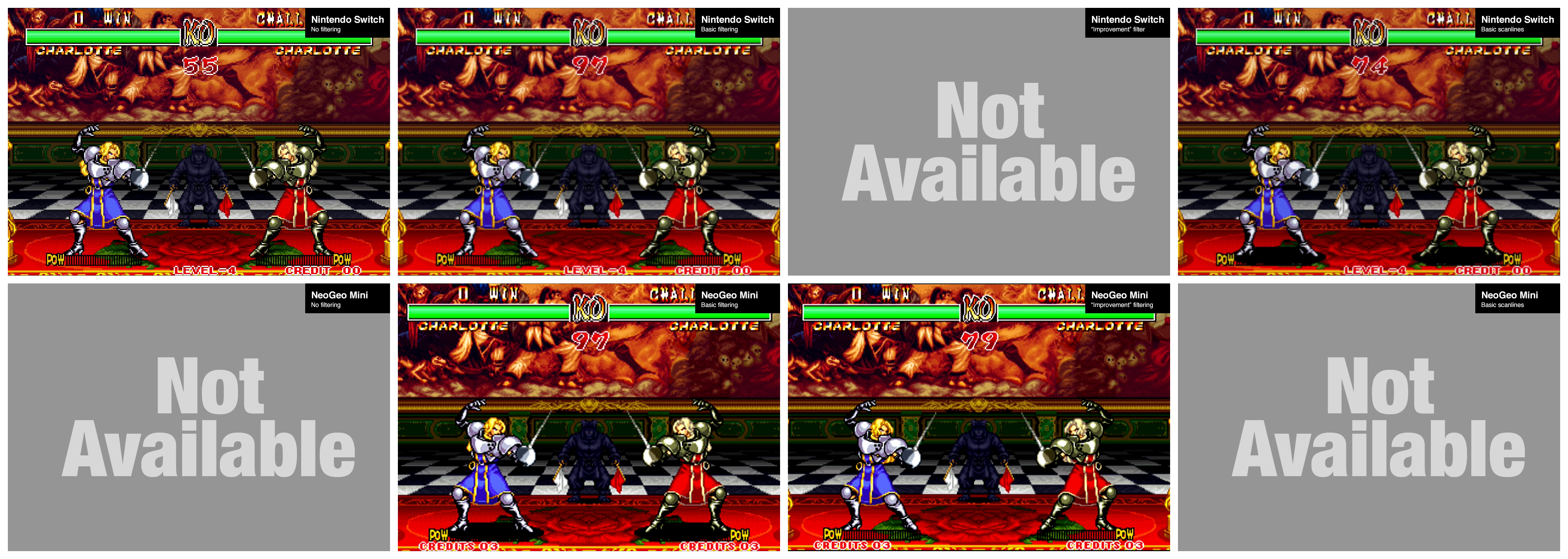
Wow do I have something to say about the NeoGeo Mini’s visual output, though. When connecting an HDMI cable to output the action to a television, the system applies a smoothing filter to games that looks pretty bad on any size screen. Even worse, the only option you’re given is an “image quality optimization” toggle, which then applies a deeper level of smoothing to rough edges. Want to add scanlines, or get rid of the filtering period? Too bad. Even if you’re someone who tends to like this kind of visual filtering on older 2D games, I’m not certain you’ll be happy with the version implemented here. Meanwhile, if you’re like me and want nothing but clear, crisp pixels, then the NeoGeo Mini’s TV output is awful.

For comparison’s sake, I captured the video out from both the NeoGeo Mini and the Nintendo Switch, and put together the below image. For a more fair comparison, I set the Switch to output at 720p, as that’s the default resolution of the NeoGeo Mini. Be warned: It’s a 4MB PNG file.

Interface

Finally, I want to touch real quick on the NeoGeo Mini’s user interface. Here, I have no huge complaints: the main menu does what it needs to do, there’s only a few seconds of initial loading for each game and then nothing, you can get to the in-game menu by pressing Start + Select together at any time, and every game has four save state slots. However, while there’s not anything wrong on a technical or usability level, it all seems so low effort. There’s nothing that feels trademark NeoGeo or SNK, instead coming off like an experience like you’d expect to find on some cheap knock-off hardware based around stolen ROM files. For an official product celebrating SNK’s 40th anniversary, you’d think at least some care would go into the presentation.

Overall

If we lived in a world where there were few options for going back to the classic NeoGeo library, the NeoGeo Mini would be a far more attractive product for the void that it was filling. We do not, however, live in that world. I’m not sure any single retro system’s catalog has been more readily available than that of the NeoGeo, and we’re even in the middle of Hamster’s fantastic efforts to bring the full extent of those games to a wide variety of platforms.

I mention that because, if you’re looking to experience (or re-experience) SNK’s 24-bit offerings on the big screen, then sadly I think the $110 it costs for a NeoGeo Mini would be far better spent on picking up a batch of Hamster’s releases on the PlayStation 4, Xbox One, or Switch. If a patch for the NeoGeo Mini were to come out and provide more image quality options, I’d soften my stance on that—but not only do I not expect that to happen, it also wouldn’t fix the glaring issues with the NeoGeo Mini Pads. On the other hand, if you’re just wanting a unique SNK collectible that can sit on your desk and provide random sessions of entertainment, it legitimately is neat in a gimmicky sort of way. The NeoGeo Mini is the epitome of the kind of thing you’d love to have, but aren’t really sure you actually need—as much as I wish it hadn’t turned out that way.

Death Mark Review

Long before the internet flooded us with previews, reviews, screenshots, trailers, let’s plays, and various other sources of information on video games, one of the most popular ways to pique interest in a particular title was also one of the most basic methods: its cover art. Games were often picked up or even outright purchased simply because of the appealing image on the front of their box, and I myself was guilty of that countless times as a child.

Cover art is also why I became interested in Death Mark. Developer Experience Inc. had caught my attention in recent years due to releases like Stranger of Sword City, but I neither knew of their involvement nor Death Mark’s style of gameplay was at first. All I knew was there, on the cover, was some sort of inhuman bride, staring into a phone booth on a dark Japanese street—and that’s all I needed to know.

I’m actually glad I went in with no further knowledge than that, because that meant I got to appreciate Death Mark’s gameplay twists even more than I would have otherwise. Things start out very much like a traditional Japanese visual novel: chunks of narrative laid atop a variety of painted backdrops, detailed character art popping up whenever you talk to an NPC, the occasional choice to make that doesn’t really matter in the long run, stuff like that. Things start to get much more interesting and varied once you head out into the world on your investigations, however.

What you’re investigating is a bizarre phenomenon that ends up bringing together a group of strangers in a struggle for survival: the titular “Death Mark.” For some reason, various people (including the game’s protagonist) now have a strange design burned into their skin somewhere on their bodies. It turns out that the Mark is the sign of being cursed by a vengeful spirit, it’ll bring both amnesia and later death to its host. That is, unless those afflicted can appease the spirit that birthed their particular Mark.

Finding out how to put those spirits to rest takes delving into their lives (and deaths). That’s done through exploring various locations, searching for clues or objects relating to each individual ghost. These segments play out more like what you’d find in an Ace Attorney or Danganronpa release, where you poke around the environment in first person, looking at, touching, taking, or interacting with what you come across. The balance between these moments of gameplay and the exposition-heavy cutscenes is pretty good, and neither ever feels like it’s wearing out its welcome (a problem with some visual novels). Even though the locations you’ll visit are all stereotypical to Japanese horror—creepy school, creepy forest, and so on—I actually found them to be decently creepy without being a slog to get through (a problem with some horror games). Navigating those areas can be a bit rough at first, though, due to two small technical decisions. First, what you see on the mini map and on the main display area don’t always match up direction-wise, forcing you to pause for a moment to figure out what you need to push in order to go the way you want to go. Also, for reasons I can’t explain, you look around the environment with the left analog stick and move with the right—the opposite of nearly every other modern game out there. Both are easy enough to get over, but are two of a handful of elements that should have been tweakable via an options menu (which, as it is, only allows you to adjust audio volumes).

The true uniqueness of Death Mark starts with the partner system. For each chapter of the game, you’ll meet a small handful of people who were recently cursed with the Mark. When going out on investigations, you can pick only one person to accompany you, which will give you a different perspective on the exact same events. Sometimes, you’ll need a specific person with you to accomplish a specific task, but otherwise, it’s a good way to both add some replayability to the game, and make the overall experience feel a little more personal. You partner will then come in handy during the final confrontation with the spirits, which are turn-based battles where you combine items you’ve found with the knowledge you’ve learned to work out the proper way to put the undead at peace.

On a gameplay level, these encounters aren’t groundbreaking or anything, but they’re neat. I certainly wasn’t expecting boss battles in a game like this, yet they serve as a satisfying final puzzle to cap off each chapter. Depending on what you do, these spirit battles can have a “bad” or a “good” end, and something I appreciated was that figuring out both of those solutions were satisfying. The game also offers up “Live or Die” choices at times—sometimes connected with the boss, other times not—where you’ll need to answer questions quickly (and correctly) or lose Soul power. (Soul power basically being your health meter, so if it runs out, you’ll need to restart that encounter.)

Too often, challenges like these have answers that are either too obvious or too esoteric, but Death Markfinds a middle point where you’re forced to use your brain but the answer is there if you just think about it. Sadly, that isn’t true in every case. Both in those boss encounters and out, there were a few puzzles where I felt like I must either be stupid or have missed something, because I hadn’t even the foggiest idea of where to pull the answer from. To make myself feel a bit better, I’ll put part of the blame on the one aspect of Death Mark I found flawed: the obnoxious over-reliance on the “notes where random chunks of letters were taken out of random words” clue type. Used sparingly in games, they’re fine, but oh lord did I get sick of seeing the exact same type of hint over and over and over and over.

The true value of those spirit confrontations, and the individual chapters overall, comes not in their gameplay, but in the stories that they tell. Death Mark starts off a little slow, and a little stereotypical, but about halfway through the first chapter, I realized that something rather interesting was starting to build in the narrative. What originally seems to be a simple “get rid of the ghosts” adventure isn’t that at all, as there comes to be a deeper emotional connection to much of what’s going on. While I don’t want to spoil any of the specifics, I found the fate of some of the spirits to be utterly tragic, pushing me to confront them not out of a desire to “beat” them but to instead help them. Those feelings aren’t universal, however. In one chapter, I actually hated the ghost and just wanted it gone; in another, my motivation was more about stopping the curse and saving my new friends, and less about the individual behind those problems. From another developer, this could have been a straightforward story about a bunch of demonic entities that need vanquishing, so I came away both surprised and impressed with the development team’s seeming desire to not just take the easy route.

Death Markis relatively short, it’s rather low-key in its gameplay ambitions, it could easily have presented bigger and more fleshed-out versions of its ideas, and I’m not totally happy with the way it wrapped up in the end. And yet, the game accomplishes what it sets out to do rather fantastically, in a surprisingly emotional experience that’s long enough to become engrossed in the story but not so long that it wears said story too thin. I was surprised—and even at times frightened—by Death Mark, and glad that its blood-stained beauty wasn’t simply cover deep.

Dark Souls Remastered Review

Dark Souls, without a doubt, is one of my favorite games of all time. While I played and loved its predecessor Demon’s Souls, Dark Souls took its ideas and reworked them into an experience that was on a whole new level for me. As good at it was, however, it had technical and gameplay aspects that could (and should) have been fixed. In the years that followed, fans of the game that weren’t able to play the fan-modded PC version have hoped that a better, more polished release of Dark Souls would come at some point in the future.

Earlier this year, PlayStation 4, Xbox One, and PC received just that in Dark Souls Remastered, a beefed-up rerelease of the original that bumped up the game’s textures, frame rate, and more. A Nintendo Switch version was also promised, but not only was it fashionably late, it ended up taking a different approach to the “remastered” idea than its siblings.

Dark Souls Remastered on the Switch is, in actuality, a port of the original PlayStation 3 and Xbox 360 versions, not a direct alternative to what those other platforms recently received. That may instantly be disappointing for some: if you like what you’ve seen of the upgrades brought to the game, they simply aren’t present here. However, that decision does give the Switch version of Remastered an interesting alternate purpose: being a theoretical “best” version of the game many of us played back in 2011, separate from those more drastic updates. I know that may sound like a weird goal to strive for, but it didn’t take long for me to realize that I actually appreciate getting that. As someone with so much attachment to the original game, there’s something nice about being able to play what I experienced back then in a better form. And, given the mixed opinions over some of the changes made (such as the new lighting engine) in the other versions of Remastered, I honestly believe a lot of people beyond myself will like having a more faithful option.

It’s also not like Dark Souls Remastered on Switch comes without any improvements. Without question, the most notable change is to its frame rate, which sees a boost both legitimate and noticeable. I know what you’re all wondering, so yes, the infamous Blighttown is a far better experience now. It’s not just that one particular area that’s better, though—it’s the entire game throughout. Now, things aren’t perfect—we’re getting 30fps here versus the 60fps of the other versions of Remastered, and there are occasions when the game drops below that—but this is the best frame rate the original Dark Souls has ever seen. There are other benefits over its last-gen predecessor as well, such as Vsync support (which I’m happy about as someone who hates screen tearing) and the bump up to six players being able to join together online versus the previous four.

Unfortunately, I said “theoretical” best version because Dark Souls Remastered on Switch has a handful of failings that keep it from being the definitive release it could have been. The first, and easily most noticeable, is that all of the game’s audio is strangely low quality. Be it due to aggressive compression, bad source files, a mistake in the encoding process, or who knows what else, the issue is very noticable when either playing on a television or in handheld mode using headphones. Now, honestly, it’s not a dealbreaker for me—once I got engrossed in adventuring through Lordran again, the audio quality kind of faded away—but it absolutely will be for others. While not nearly as big of an issue as its sound, some of the game’s visual effects (such as fire) suffer in the transition to Switch. That’s a real shame, because you know the hardware should be more than capable of handling a proper a PS3/360 port.

Much more frustrating for me is that an issue that plagued Dark Souls way back in 2011 still exists here: sometimes, after pressing either of the main combat buttons, attacks either come out delayed, or simply not at all. (And no, to be clear, this has nothing to do with being out of stamina or bad positioning or anything like that.) How in the world is this still a problem seven years later? It doesn’t occur often enough to break the game, but it can absolutely put you in serious danger if it happens at just the wrong time. It’s especially maddening given the fact that the game is far more playable with the Switch’s Joy-Cons than I was expecting, especially in handheld mode. Well, there is one other hitch: precision aiming for bows can be a real pain in the rear. I’ve shied away from shooters on the Switch due to its smaller-sized, lower-travel sticks, and trying to snipe enemies from afar, I was reminded of why. Normally I don’t care at all for gyro aiming in games, but it’d be a very welcome option here.

On a professional level, in writing this review, it’s impossible to ignore the legitimate issues that have come along with Dark Souls Remastered’s arrival on Switch. On a more personal level, playing as a Dark Souls fan who long ago learned that you’ve got to be a bit forgiving sometimes, I can’t be too upset. Years ago, when I bought my first PlayStation Portable at launch, it shocked me that a handheld device could give me a game like Ridge Racer. That feeling of disbelief returned once again here, and I can’t properly explain the wonder of Dark Souls on a piece of hardware I can hold in my hands. (Nor can I believe how playable it is in that form.) Concessions were made to bring that to me—some of which really deserve fixing in the near future—but the journey this new version takes us on outweighs the stumbles you’ll encounter along the way. The Switch version of Dark Souls Remastered certainly isn’t for everyone, but I’m very glad to now have it sitting alongside the other releases of the game, providing an option for when I want to return to a land that I love in a different, unique way.

Soulcalibur VI Review

I’ve missed Soulcalibur.

I’ve never been hardcore into the series like I am other fighters such as Street Fighteror SNK’s offerings, but Soulcalibur was one of those “comfort” franchises that I knew would always be there for me when I wanted or needed it. It was the go-to pick for a number of my close friends and I when getting together to play games, and it was the the series that was ready to help show me the stunning power of Sega’s new Dreamcast.

And then, one day, Soulcalibur wasn’t there. As much as I’m the type to argue for refreshes and new characters in long-running fighting games, Soulcalibur V lost me specifically due to its attempts to insert some new blood into the series (something all members of the genre inevitably have to do). It obviously lost a lot of other players as well, because that 2012 release would be the last time we’d see a proper Soulcalibur game for another six-and-a-half years.

Playing Soulcalibur VI is like meeting up with an old friend you haven’t thought about in years and then realizing how much you’ve missed hanging out together. Digging into the game, it almost feels like this could have been the next iteration to come out a few years after Soulcalibur IV, and I’m perfectly okay with that. Had this indeed been the game we received instead of Soulcalibur V, it might have seemed like a bit of an underwhelming continuation of the norm, but now it’s more like a comforting return home after some amount of time being lost in the desert.

The best thing I can say about Soulcalibur VI’s gameplay is that it feels like Soulcalibur. Granted, I don’t have the experience needed to do direct fighting engine comparisons with its most recent predecessor, but my time spent battling both human and AI opponents has reminded me of the glory days of Soulcalibur on Dreamcast and Soulcalibur II on GameCube. There are little refinements here that have come as part of the natural progression of the series—from the change in cost for Guard Impacts to how armor breaking works—but the only things that really felt foreign when I jumped into the game are SCVI’s two new features, Reversal Edges and the revamped Soul Charges.

Now with Soul Charges, a quick button combination will spend one bar of super meter to power up your character for a limited time, with some of the roster even changing into different forms of themselves in the process. It’s an easy feature to get the hang of, it feels totally natural in a fighting game like this, and it makes you have to decide between spending that meter for a Soul Charge or a full-on Critical Edge (aka super). Reversal Edges, on the other hand, get a lot more interesting (and complicated). If you hit your opponent with a triggered Reversal Edge, both characters will enter a slowed-down state, where—as they momentarily face off—each player has the chance to input a singular attack or movement. The results are then a glorified game of rock-paper-scissors, with each attack type beating another, and some decisions even leading to stalemates or the ability to follow up with an additional attack. It’s hard to fully understand how Reversal Edges play out without actually experiencing them, but think of them as these more cinematic “clash” moments that can change the flow of a match in one player or the other’s favor.

I’m honestly torn on the inclusion of Reversal Edges. I understand what the team was going for with them, but I’m not sure I like how they can affect a match’s pacing. I’m still not at the point where I feel like I need or even want to throw out a Reversal Edge versus going with a different tactic, so I think it’s going to take some time having the game out there in the community to see if it becomes a tool that’s legitimately useful, or if it’s doomed to be a curious gimmick and nothing more. No matter what, they don’t negatively impact the game—as they’re easy enough to avoid so long as you’re paying attention—so at worse they become something you forget about and that’s that.

Once you get past the basics of gameplay, there’s probably no singular element that stands out more in Soulcalibur VI than its single-player modes. Now, as I’ve said in the past, I don’t care about solo content in fighting games—but I still give credit to the Project Soul team for the work they put into their campaigns. That’s especially true here, as there’s not one but two different single-player modes to go through. First is the Soul Chronicle, the main story that spans from the year 1583 until around 1590. There’s one main, singular story thread that you can play, but you can then work your way through various pieces of the overall narrative with each character in the game, seeing their own personal journeys through the struggle to obtain (or destroy) the legendary sword Soul Edge. I’ve got a weird love for timeline-style campaigns, so I really like what’s been done here, and Soul Chronicle offers of a ton of story content all on its own. Although—I don’t understand the obsession with making so much of the main narrative thread Kilik-focused, as he’s about as interesting as a slice of plain white bread.

Then we have the Libra of Soul, which easily could have been the one and only campaign in Soulcalibur VI. Instead of playing with one of the main cast members, you create your own fighter using the game’s customization system. Here, you travel around the globe, completing storyline quests to open up the path to the next point of interest. The story here is that a curse has befallen your character, and to keep death at bay, you’ll need to travel around closing astral rifts that have torn open the fabric of our universe. That journey—in a decision that legitimately impressed me—intertwines with the events unfolding in the Soul Chronicle. On this side of things, however, there’s much more depth and exploration at play, as you can beef up your character with new weapons, journey out to accomplish tasks or face off against rivals that are completely optional, and even make decisions through an (admittedly under-developed) morality system. It really is interesting to see the contrast of ideas and purpose between Soul Chronicle and Libra of Soul, and it was a fantastic decision by the team to have them compliment one another instead of directly competing.

Talking about the Libra of Soul obviously leads us to the character creator, but there’s actually another point I need to hit upon first, since it’s at the core of both single-player modes. In the months leading up to its release, there’s been a lot of talk in some circles about the is-or-isn’t-Soulcalibur VI-a-reboot question. Is this retelling the original story, or is it reworking it? How does this fit into the timeline? How will the dev team explain that characters who showed up later in the franchise are now showing up sooner? Well, after spending a decent chunk of time playing, I now have a definitely answer to all of those questions: who gives a crap. Seriously. I realized very quickly that it not only didn’t matter one bit what this game is and how it works into Soulcalibur canon, but that I was struggling to even care, because it just doesn’t matter. I think the team could have actually gone farther than they did, making this a reboot to the point that the name was “Soulcalibur Reborn” or something else free from the stigma of being a numbered title. Still, even that can be acceptably answered with a shrug. It’s Soulcalibur, the game is fun, many of the characters that you love are here. Cool—good enough.

So, the character creator. Originally, it shows a ton of promise, kicked off by offering no less than 16 different “races” for your character. (Though I’m still mad they lock the “Lizardman” option to only being male, meaning I can’t make an anthropomorphic lizard with boobs, you jerks.) There’s a nice selection of sliders for customizing the look of your fighter (but nothing for butts, really?), a variety of equipment types specific to parts of the body, and a menu for adjusting the colors of all of the above. If I were to judge Soulcalibur VI’s character creator on what’s both the most important element to me personally and the hardest thing to get right—hair—then it’d pass with flying colors. However, it becomes apparent pretty quickly just how anemic the selection of equipment parts offered up is. Even after earning the credits to unlock the random items that aren’t open from the start, the selection of tops and boots and gloves and other body pieces feel both incredibly limited and strangely random. It’s hard not to come to a pretty quick conclusion: if you want a more fleshed-out character creator, then you’d better be ready to pony up for the inevitable DLC packs that are on their way. If the base equipment selection felt more complete, and future DLC was skewed toward specific themes—say, a Dark Souls pack of a Tale of pack—I’d be totally fine with that plan. As it is here, it feels kinda gross.

What I’m about to say next comes simply from my own opinions and not any sort of insider information, but I believe that push toward DLC for the character creator is part of what seems to be the bigger overall issue with Soulcalibur VI: this was a project with not a lot of money thrown into its budget. Everywhere you look in the game, there’s an example of “cheapness” crop up. The main selection of non-story content is Arcade, Versus, and Training, and that’s it. No Time Attack, no Survival, no option for setting up a local tournament, no squad battles, none of the other kinds of things we’ve gotten used to seeing in genre offerings. Speaking of training, the only actual in-game tutorial is a series of missions provided early on in the Libra of Soul. Where’s the more in-depth option for teaching the basics of gameplay in a proper training mode setting? Where are the individual tutorials for learning specific characters? Well, they are there—but they’re dense text blocks on static screens divorced from any ability to actually practice those teachings. There’s a Museum that offers up sections such as an image gallery, but not only is the artwork not fullscreen by default, but there are absolutely no control options presenting for doing things like zooming in and out.

Speaking of art, nearly every cutscene in both Soul Chronicle and Libra of Soul feature flat, motionless backgrounds overlaid with character portraits and text boxes. Look, I know—there’s a huge chunk of story here, so it would have been both costly and time consuming to provide something fancier. And, with all credit due, those character portraits on the Soul Chronicle side are absolutely lovely (especially my girl Xianghua). But at this point in the progression of fighting games, it feels like there needs to be something more here. Animated backdrops, or voice acting, or some inter-spurced 3D cutscenes, or something. At least, if nothing else, text that isn’t so ridiculously small.

The final area where Soulcalibur VI feels somewhat undercooked is online. What you most want and need is absolutely there—both ranked and casual matches, a general leaderboard, and support for replays—but it all feels like the experience you get when you buy the store-brand “frosted flakes” instead of the real stuff. The worst example of this is joining casual match rooms, forcing those players not involved in the current fight to just sit there waiting. How, in the year 2018, am I not allowed to watch the fight that’s going on? Given that rooms can have up to 8 players in them, it could easily be 10 minutes or more of just staring at the same lobby screen waiting for your next turn to finally come around. On the plus side, while I haven’t been able to do extensive testing of the game’s netcode due to playing prior to launch day, the online matches I’ve been able to try out have mostly felt pretty good. So, as of now, I’ve got hope that things will stay solid once the player base starts growing.

The thing is, I think this is one of the times when we have to be realistic about what to expect. I absolutely believe that Soulcalibur VI is a case of “get this or get nothing,” and I’ll take this every single time. While there’s a lot of little issues that can feel like a bigger deal when all taken together, none of them—save the character creator’s equipment selection—soured my experience. As a critic, I have to point out the game’s flaws. As a fan, I have to wish Bandai Namco and Project Soul could have given us something more polished. But as a gamer, and a lover of fighting games, I’m just glad Soulcalibur has come back to us, and that it still remembers how to be the engrossing and enjoyable experience it was back when we were still taking its existence for granted.

The C64 Mini is Pretty Neat—But Way Too Niche

With the recent rise in popularity of higher-quality, more official “plug and play” retro game systems, I have to imagine that there are two main groups of people fueling the trend: older gamers who were around for the original systems that want to relive their youth, and younger players looking to experience an era of gaming that existed before they did. Of course, that doesn’t cover the entirety of the people who are snatching up these all-in-one devices, and a third, smaller group is where I fit in with something like The C64 Mini: those who were around during the life of the platform but who missed out on it the first time around.

From the moment our family bought an Atari 2600, I was a console gamer. I later played a handful of games on the Apple //e we had on loan from my elementary school (my mom was a volunteer computer teacher there), but consoles were far more popular with my friends, easier for me to find games for, and just seemed like the overall better experience. With the exception of a friend in high school whose main computer was a VIC-20 hooked up to his television, Commodore’s various offerings didn’t matter to me for a good chunk of my life. I knew they existed, but I simply didn’t care.

Which is why, here in the far-flung future of 2018, I was genuinely curious to try out The C64 Mini. Away from any schoolyard side-taking or the futility of asking my parents for yet another gaming platform, it’s great to be able to fill in some of the gaps in my lifetime of gaming experiences.

My first impressions of The C64 Mini were pretty good. At this point, we all know what to expect—miniaturized replica of the original hardware combined with properly-sized controllers—but there’s something wonderful about having that trademark chunky brown Commodore keyboard unit shrunk down to this size. Sure, the keys don’t actually work, and you kinda wish they did even though they’d be a pain to use that small, but it’s still such a visually satisfying object. I was far less enthusiastic about the joystick, but we’ll get to that in a moment.

The C64 Mini comes loaded with 64 different games, and I did actually recognize some of them right off the bat. Even if I wasn’t a big computer player in my younger days, I was still familiar with developer Epyx from both the random times it’d release console ports of its games, and its key role in filling out the Atari Lynx’s library. There’s a nice list of classic Epyx titles included here, from the Street Sports series, to the cult classic Impossible Mission games, to its various releases modeled after Olympic (and other competitive) sporting events—my favorite of which remains California Gamesto this day. Beyond Epyx’s contributions, most of The C64 Mini’s roster of games was new to me, except for a few like Speedballor Monty on the Runthat I knew by name but not from experience. I found a handful of those other random titles that I definitely clicked with, with Deflektor, Confuzion, Nodes of Yesod, and Uridiumbeing the best examples. I also give the team behind The C64 Mini extra credit for not only including Basic as a bonus application, but also offering an official method for adding additional C64 games to the unit. Both of those decisions show an appreciated commitment to making The C64 Mini a legitimate option for reliving the days of the original system, versus just being a limited-use novelty release.

Unfortunately, the thrill of digging through The C64 Mini’s library grew old pretty fast. The sad reality of the evolution of video games is that, go any earlier than the era of the Nintendo Entertainment System or Sega Master System, and games get really, really rough. As much as I loved my Atari 2600 as a kid, I simply can’t go back to Combat, Raiders of the Lost Ark, or Berzerkthe same way I can Metroid, Clash at Demonhead, or River City Ransom. Many of the games here are ugly, they’re awkward, they’re difficult, and good lord are they incomprehensible. Especially on the computer side of things, developers of that era seemed to have a love for making projects that were both incredibly complex and utterly lacking in tutorials or basic gameplay explanations. Here on The C64 Mini, the only real explanation you get for each game is a brief one-paragraph summary on the selection screen—beyond that, good luck. (The official website for The C64 Mini doesprovide varying amounts of instructions for each game, but there really should have been somethingbuilt into the unit, even if just a page or two of basic details.) Even as someone who lived through that era, I don’t have the patience to try to figure out what I’m supposed to be doing or why in a number of these games.

And that’s in part because fighting with The C64 Mini’s controller also took something out of me. It’s not unusable, even if some people are saying that it is, but it’s certainly a pain in the ass. Controllers of that era were weird abominations of ergonomics, and as admirable a goal it is to make The C64 Mini feel authentic, this controller was a mistake. I’m also not certain howaccurate it is, because the joystick itself is annoyingly stiff. So, either the original C64 had a terrible stick on it—which I can believe, having used my share of input devices from those years—and that factor really shouldn’t have been replicated, or The C64 Mini team dropped the ball on its reproduction of the original. Also, some games required you to make use of the C64’s keyboard for starting the game, setting options, or other needs, and that can get a little awkward here as you navigate through a pop-up virtual keyboard. (You can also plug in a USB keyboard, but that starts to negate the whole “plug and play” factor of the device.)

I know it may sound like I hate The C64 Mini, but I honestly don’t. Other than the controller, and a lack of documentation for each of the included titles, I respect the work that’s gone into the system. I think it could have been very easy to just half-ass a project like this, but that’s not the impression The C64 Mini left me with, even from my first moments opening its package. The problem is that time hasn’t been kind to the era of gaming, so I think it’s going to be tough for most people to find any real amount of fun or appreciation here—especially with nothing done to teach them how to play each game in the first place. Unlike the NES and SNES Classics, or the upcoming PlayStation Classic and Genesis Mini, The C64 Mini only feels appropriate for those who grew up with and loved the original Commodore hardware and games. This is a neat new addition to the growing line of all-in-one retro reproductions—but one that feels way, way more narrow in who it’s meant for.